Activities in Coptic Egypt

Things to Do

Coptic Museum Cairo Egypt
Coptic Museum Cairo Egypt

  • Coptic Museum Cairo
  • Coptic Museum Cairo
  • Coptic Museum Cairo
  • Coptic Museum Cairo
  • Coptic Museum Cairo
  • Coptic Museum Cairo
  • Coptic Museum Cairo

Coptic Museum Cairo Egypt tours, booking, prices, reviews

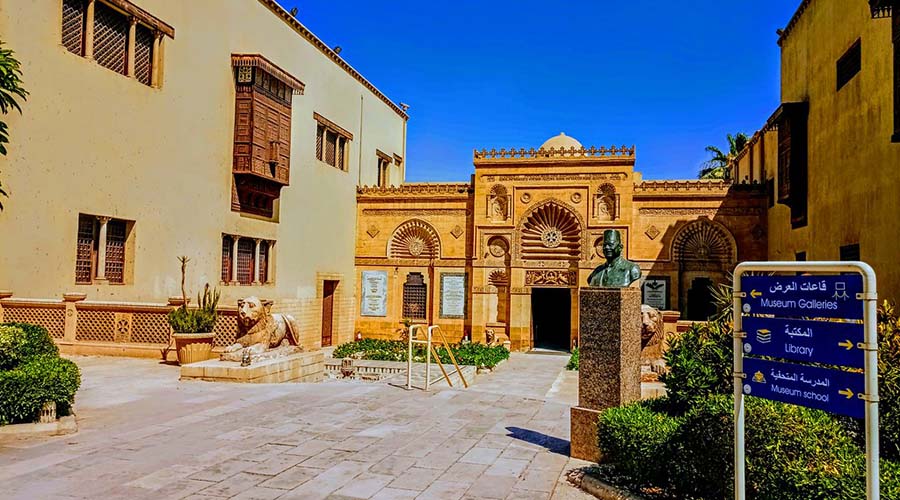
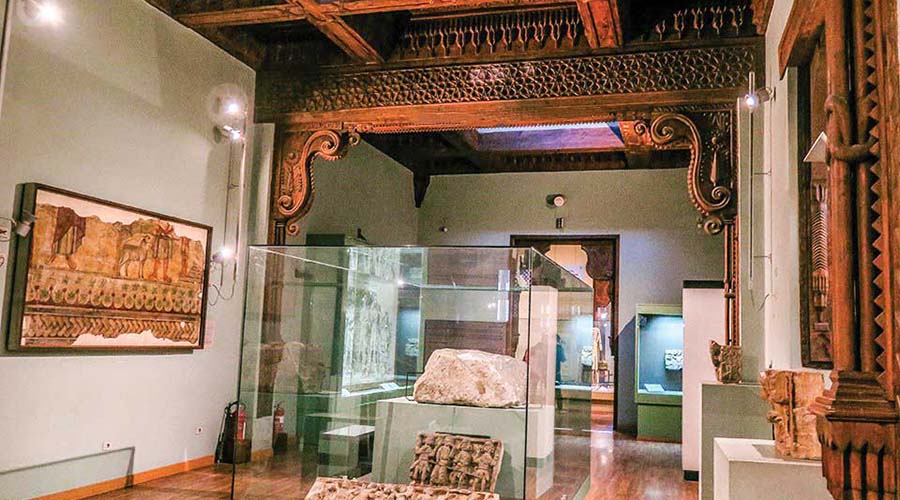
Coptic museum Cairo located in the Old Cairo area in Cairo Egypt. In fact, the Coptic Museum in Cairo located inside the ruins of the Roman Babylon Fortress. Old Cairo is an area full of Coptic sites such as Hanging church, St. George church and St. Barbara church. Nobody would ever believe that the foundation of the Coptic Museum Cairo dates back to the era of the Persians. A lot of items added afterwards by the Roman emperors August and Trajan. French scientist Maspero played a major role in the establishment of the Coptic Museum. He spent a long time collecting Coptic monuments from all around Egypt and preserving it.

In fact, the founder of Coptic Museum Cairo Egypt in modern times is Mr. Smeka Pasha. Moreover, he exerted huge efforts to found the building of the museum. It opened to the public in 1901 with Smeka as the first head of the Coptic Museum in Cairo. The museum today consists of two major sections. The old section established by Smeka Pasha. The other one is the New section. The new section consists of two floors. It opened for the public in 2006 by the president Hosni Mubarak. The renovation of Coptic museum costed 30 million Egyptian pound. In fact, it affected by the earthquake which struck Egypt in 1992.

Further details about The Coptic Museum Cairo Egypt:

In fact, the museum displays around 1600 items. Moreover, they collected from various regions around Egypt. Furthermore, they date back to different centuries in the Coptic history of Egypt. Coptic Museum Cairo indeed is a complete illustration of the Coptic history in Egypt. The old section of the museum contains Ehnasya section. In fact, Ehnasya is a town near Beni Suef to the South of Cairo. Some Coptic items which discovered in that area, date back to the third and forth century AD. The second section is Sakkara section. It is where the ruins of St. Armeia monastery located. It is with a lot of rock structures and a lot of other items. In fact, they gathered from monasteries from the Fayoum and Upper Egypt.

The new two stories of the museum consists of eight sections:

The Stone and portraits section at Coptic Museum Cairo Egypt:

In fact, this section features a stones collection.  The collection contains a lot of Tempra style stone drawings. Moreover, the second part of this section contains a huge collection of decorated stone capitals. In fact, they collected from monasteries and churches from all over Egypt.

This section also includes:

1- Patriarchal Throne made of bronze and copper from the 10 century.

2- Portrait of a young man enclosed in a double medallion 5-6 section.

3- A collection of stone capitals from the monastery of Saint Jeremias.

4- A ceiling portrait of Adam and Eve in the Tempra style found in Fyoum in the 11th century.

The metals section at Coptic Museum Cairo Egypt:

In fact, this section contains a large collection of silver and golden Coptic coins. Most of these coins brought from the White Monastery in Sohag. There are also a lot of drawings that carved on silver and other precious metals like:

1- A silver piece of the Virgin holding Jesus.

2- Patriarchal Throne made of bronze and copper from the 10 century

Other items included:

1- Bronze dish with Coptic inscriptions from the 10 century.

2- Censer, Ethiopian, with perforated base and dome made of bronze.

3- Crosses from the Byzantine period.

4- Different keys from the 13 century.

5- The Cross made of Bronze

The wood section at Coptic Museum Cairo:

In fact, The lack of good wood was always the biggest obstacle which faced wooden crafting in Egypt. The Egyptian imported wood since the days of the Pharaohs. The Christian artists used different kinds of woods. The woods are like tamarisk, acacia, sycamore and lebbakh to produce their art. Furthermore, the Coptic museum Cairo hosts a big collection of these wooden items. It includes:

1- A wooden box with ivory or in bone inlays. It intended to store clerical vestments 17-19 century.

2- A wooden door that has many different decoration brought from Marcus church in Rosetta

3- A wooden piece showing people playing music dates back to the 5-6 century

4- Door decorated with geometric designs and bone inlays from the Mamluk period

5- Wooden chair from the 18th century made out of Arabisc.

6- Broken Pediment of the two nude erodes and the cross 4 th century

The ivory section at the Coptic Museum in Cairo:

In fact, Alexandria indeed was a major trade point of ivory in the whole world. It was during the Greek period. In the times of the Roman rule in Egypt Persia became the most important trade focal point for ivory.

The Coptic writings section:

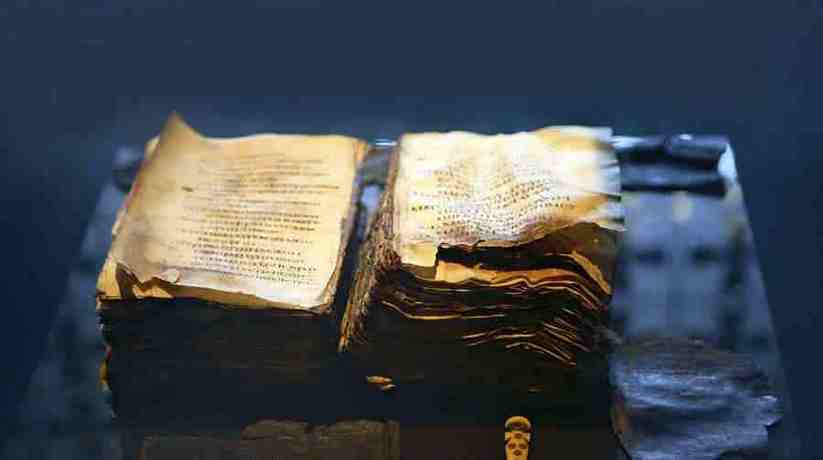
It indeed is one of the most interesting sections of the Coptic Museum Cairo. In fact, it contains bibles written in the 11th and the 13th century. It is on deer skin in the Coptic and Arabic languages. Moreover, there is also a wooden sickle cell. It used to hold the bible. Moreover, it dates back to the 14th and the 15th century. This section also includes:

1- A manuscript by St. Mark, St. Mathew, and St. John from 11th century.

2- Lectionary of the Gospels according to the Greek rite. It is with titles and simple colors decorations 13 Century.

3- Papyrus paper with Christian writings date back to 6-8 century.

4- The book of the Psalms which still has its wooden cover. In fact, it found in Beni Suef. It dates back to 4-5 century.

5- The four Ashier written in Arabic with golden writings

The pottery and glass section at Coptic Museum Cairo Egypt:

The Copts preyed the good quality of the pottery and glass in Egypt to produce their art. In fact, The Coptic museum in Cairo has a lot of pottery items. Moreover, these items date back to the six century AC like:

1- A flask of St. Minas standing between two camels. It dates back to 6-7 century

2- Jar decorated with birds and saints in different posture wearing varied clothes.

3- Painted bowel with a flat scalloped rim of alluvial clay with some human decorations 8 century.

4- Storage jar painted in columns. it represents the bust of human figure, animals, birds and floral designs. They are inside vaults 7 century.

The cloth and textile section in Coptic Museum Cairo Egypt:

In fact, this section includes a lot of monks clothes. Moreover, they decorated with crosses, drawings of the Virgin and the drawings of the Christ. This section also includes:

2- A Kettan robe with ornaments in two columns one is horizontal and the other is diagonal 5-6 century.

3- A part of the Coptic wool with two parallel columns of decorations date back to the 4-5 th century

4- A piece of cloth showing the Virgin and Jesus dates back to the 7th century.

5- A textile of a cross found in Kellia.

6- Christian decorations from Michael monastery, dates back to the 17 century.

7- Fragment of a curtain or a tunic with tapestry decoration dates back to the 6-7 century

The Icons section in Cairo Coptic Museum:

In fact, this section contains a wide collection of Coptic icons from different ears. Moreover, they are with different theme and decorations. One of the styles of these icons called Frisk. The Coptic artists affected by the drawings of the walls of the Pharonic temples. Furthermore, they started drawing on the walls of churches and monasteries. Because of the persecution of the Romans to the Copts, they started drawing on wood and plaster. In fact, they were much easier to held while escaping an attack on a church or a monastery. In fact, the word “Icon” is a Greek word. It means a picture and it may contain a drawing of saints or other religious scenes.

More details:

This section also includes:

1- Icon of St. Andrews the Apostle holding the Holy Bible and a cross dates back to 17-18 century

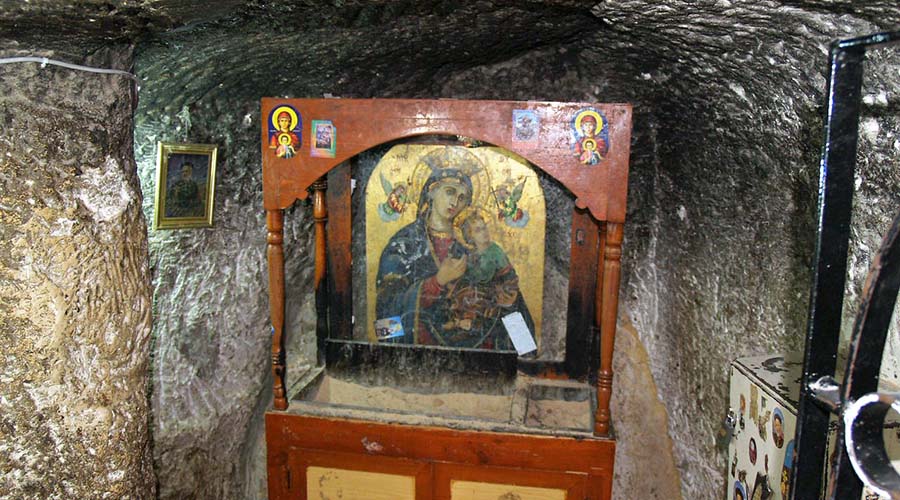
2- Icon of the crowned Virgin holding the Infant Jesus. They are between two Saints having halos around their heads.

The Virgin’s crown carried by two angles and the Holy Spirit is descending from heaven in the form of dove

3- Icon representing St. Nicolas dates back to 19 century

4- Icon representing St. Menas on horse –back. In fact, He holds the bridle with his left hand. Moreover, he also does piercing a dragon with a long spear with a cross fixed at the top. His crowned head surrounded by a halo

5- Icon representing St. Victor the martyr wearing a crown on horseback. In fact, he holds a cross with his right hand. Moreover, he holds the bridle with the left .Under the horse is a dragon representing the devil

6- Icon representing the Virgin and the Infant holding a golden roll in His hand dates back to 18 century

7- Icon representing two persons. They are Ahrakas and Oghani. They wear masks shaped like dog head. Moreover, they look right towards a bearing fruits tree

The last and maybe most fascinating item of Coptic museum Cairo is the a “Hawdage” or a cart. In fact, it made out of ebony wood inlaid with ivory and mother of pearl. Moreover, it used to transfer rich ladies to Jerusalem in the Roman period.

Nearby attractions Information, tours and Online Booking

More of Coptic Egypt

More of Egypt attractions

MORE
Al Muharraq monastery Asyut

Al Muharraq monastery Asyut

  • Al Muharraq monastery Asyut
  • Al Muharraq monastery Asyut
  • Al Muharraq monastery Asyut
  • Al Muharraq monastery Asyut
  • Al Muharraq monastery Asyut
  • Al Muharraq monastery Asyut
  • Al Muharraq monastery Asyut

Al Muharraq monastery Asyut Egypt tours, booking, prices

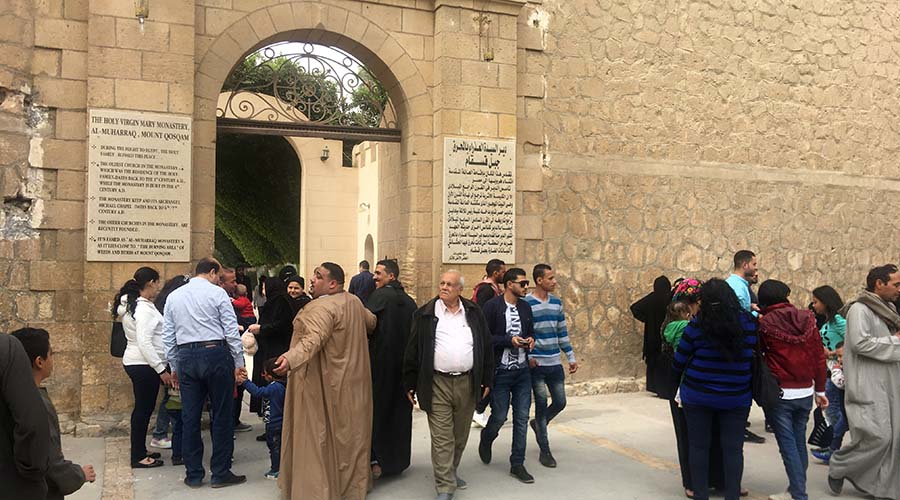
Al Muharraq monastery Asyut located 385 kilometer south of Cairo in Asyut, Egypt. In fact, Al Muharrq monastery is the Arabic translation of the “Burnt Monastery”. Moreover, The monastery also known as the Monastery pf the Holy Virgin Mary. In fact, the monastery burnt by the foreign invaders in the middle centuries. Moreover, the monastery is one of the few monasteries which not built in the desert of Egypt. In fact, the Holy Family traveled from Maadi to Upper Egypt by a boat. They reached the village of Qusquam (El Quseya) which lies 60 kilometer south of Asyut. The holy Family stayed six months at this village where they lived in a cave. In fact, the Monastery built on the site where the Holy Family settled.

The Angle of the Lord believed that he appeared to Joseph in a dream. He said to him “Arise, take the young child and his mother and go into the land of Israel”. (Matthew 2:20 & 21). The site indeed is holy to Egyptian Christians. Moreover, they call it “Second Bethlehem”. In fact, multitudes of pilgrims made the journey to the Al Muharraq monastery’s churches. It was from every district during the ancient times. Furthermore, the location is famous for signs and wonders. It said that the site healed many diseases. In fact, Al Muharraq monastery Asyut is one of the largest and most wealthy Coptic Monasteries in Egypt.

Further details about Al Muharraq monastery Asyut:

The walls of the compound enclose an area of 30 feddan. Furthermore, the monastery houses five churches and about 100 monks. Moreover, Al Muharraq monastery comprises a large library. The monastery indeed is a fine example of a fortified monastery. In fact, it is like many monasteries which located in the desert of Egypt. Thousands of pilgrims attend feasts to celebrate the consecration in the monastery. In fact, the consecration of the church of the Virgin is during June 18th and the 28th each year. This church built over the cave where the Holy Family stayed. Moreover, the church is one of the oldest churches in Egypt which built in the first century AC. The alter-stone dates back to 747 AC and located on the spot where the baby Jesus rested.

The Main Churches at Al Muharraq monastery Asyut:

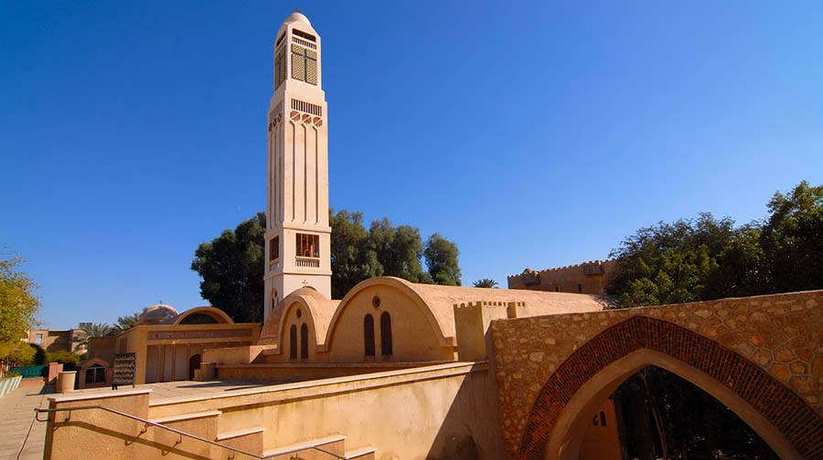
The monastery houses the church of the Holy Virgin Mary. In fact, the church lies next to the square tower. Moreover, the church is the oldest church in the monastery and dates back to the first century AC. St. Pachomious was the one who built the original monastery around the church. In fact, the church predates Al Muharraq monastery by three centuries. Moreover, the ancient alter lies in the sanctuary of this church. In fact, the church is not the original, but it is ancient and supposed to be the same as that of the original. Pope Theophilus was the 23rd Coptic Patriarch of Alexandria. In fact, he wrote that he noticed that the church was small and simple. Because of the holiness of the site, he wished to build a great cathedral to replace the small church.

He voiced this wish in his prayers. In a vision the Holy Virgin Mary visited him and explained that the church was the will of her son. She added, the church should kept as it is, as a symbol of Christ’s humility. Moreover, before Christ’s Ascension, the Lord, the Disciples and she came together. They came upon a cloud to the small church to bless and dedicate it. In fact, it was the first liturgy which held in the church. The Nave inside of the church divided into three main sections. The first section is for the believers and the second for the penitents. Moreover, the third section is for the catechisms (people who are not baptized in the faith). The second church in Al Muharraq monastery Asyut is the church of St. George. In fact, the church located behind the church of the Holy Virgin.

Further details about Al Muharraq monastery churches:

In fact, this church built in 1880 AC. Moreover, the church houses many of religious paintings including that of the twelve apostles. The most notable characteristic of this church is its two high steeples. Another of its characteristic is the Byzantine Greek styled iconostasis. The third church in Al Muharraq monastery is the church of the Archangel Michael. In fact, this church renovated at the time of Patriarch Gabriel. Patriarch Gabriel was the 95th Patriarch of Alexandria (1525-1568 AC). Moreover, the church built on the upper level of the keep. The keep was a tower which protected the monks. In fact, it protected them from the invasion by barbarians or other foreign invaders.

In fact, the library of Al Muharraq monastery Asyut divided into two main sections. The first section contains thousands of modern books and reference material. In fact, they date back to the 19th and 20th centuries. Moreover, they cover religion, science and other subjects which written in various languages. In fact, they written in Coptic, Greek, Arabic, English and Amharic languages. The second section of the library contains hand-written manuscripts in Coptic and Arabic. In fact, these priceless manuscripts date back as early as the 13th century.

Nearby attractions Information, tours and Online Booking

More of Coptic Egypt

More of Egypt’s attractions

MORE
Abu Serga Church Cairo

Abu Serga Church Cairo

  • Abu Serga Church Cairo
  • Abu Serga Church Cairo
  • Abu Serga Church Cairo
  • Abu Serga Church Cairo

Abu Serga Church in Cairo Egypt, tours, prices, booking

Abu Serga church in Cairo known as Saints Sergius and Bacchus church. In fact, Abu Serga church is a 4th century church. The church is the oldest of Cairo’s Christian Churches. In fact, the church dedicated to two early martyrs. It built on the spot where the Holy Family rested at the end of their journey into Egypt. Moreover, the family journey lived here while Joseph worked at the fortress. The church indeed has a significant historical importance. The church is where many patriarchs of the Coptic Church elected. The first elected here was Patriarch Isaac (681-692 AC). Moreover, the church is the episcopal church of Cairo. It also was the episcopal See of Misr (the district of Old Cairo) that replaced the former See of Babylon. Many bishops consecrated in the Church until the reign of Patriarch Christodulus (1047-1077 AC).

Abu Serga church dedicated to Sergius and Bacchus. They were soldier-saints. The two saints martyred during the 4th century in Syria by the Roman Emperor, Maximilan. The building of the church constructed during the 5th century. It burned during the fire of Fustat during the reign of Marwan II around 750. In fact, the church restored during the 8th century. Furthermore, it rebuilt and restored since medieval times. The church still considered a model of the early Coptic Churches. Its basilica style is recognizable. Moreover, the church resembles religious structures in Constantinople and Rome.

Further details about Abu Serga church in Cairo:

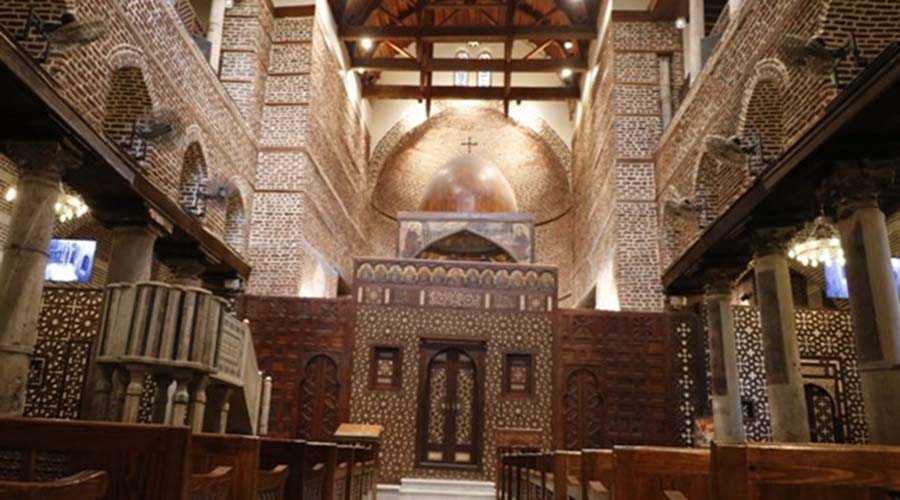
Abu Serga church has two aisles. The western return aisle along with a tripartite sanctuary measures 17 x 27 meters and 15 meters high. Within the sanctuary is an altar . The altar surmounted by a wooden canopy and supported by four pillars. On the east wall of the sanctuary rises a fine, semi-circular tribune with seven steps. There was a khurus in front of the sanctuary. It no longer exists. Khurus is a transverse room preceding the sanctuary,

The same style as the Hanging Church, two rows of six columns each separate the aisles from the nave. In addition, eleven of these unique columns with faint painted decorations. They are from marble. One is of red granite. The pulpit replaced by a copy of the Ambon (a pulpit) in St. Barbara’s Church. Some of the older wooden pulpit now are in the Coptic Museum in Cairo. A few others also are in the British Museum. Also, the oldest wooden altar in Egypt found in the Abu Serga church. It is now in the Coptic Museum.

Sanctuary iconostasis ia a screen separating the sanctuary from the rest of the church. It is which icons are usually displayed. The sanctuary is a beautiful work of art which dates to the 12th or 13th century. The several panels inlaid with ivory and ebony. Moreover, they covered in a wonderful relief that features arabesque designs. The apse encrusted with strips of marble and decorated with mosaics.

More details about Abu Serga church in Cairo:

There are some wooden panels within Abu Serga church. They are of earlier date and depict fine scenes of saints on horseback, the Nativity and the Last Supper. There are also some of other old icons that date to the 17th century. The icons show various scenes depicting the life of Christ, Virgin Mary and some of the saints. This crypt contains the remains of the original church. It is where tradition says the Holy Family lived. In fact, this area of the church sometimes was inaccessible. This is due to the presence of subterranean water.

Moreover, this crypt under the modern sanctuary, was itself the sanctuary of Abu Serga church in Cairo. It became the crypt after the larger church built. The crypt measures six meters long, five meters wide and 2.5 meters high. Within its north, south and east walls are niches. Sometime after the crypt built, two rows of slender columns erected. The 24th day of the Coptic month called Bachons. It corresponds to the first day of June in the western calendar. On that day, the Coptic Church commemorates the Holy Family’s flight into Egypt. A mass still held on that day in the church.

Nearby attractions Information, tours and Online Booking

More of Coptic Egypt

More of Egypt attractions

MORE
Coptic Cairo Egypt

Coptic Cairo Egypt

  • Coptic Cairo Egypt
  • Coptic Cairo Egypt
  • Coptic Cairo Egypt
  • Coptic Cairo Egypt
  • Coptic Cairo Egypt
  • Coptic Cairo Egypt
  • Coptic Cairo Egypt

Coptic Cairo Egypt tours, booking, prices, reviews

Coptic Cairo Egypt represented by Abu Serga Church. The church also known as Saints Sergius and Bacchus church. In fact, it is a 4th century church. The church is the oldest of Cairo’s Christian Churches. Abu Serga church Cairo dedicated to two early martyrs. It built on the spot where the Holy Family rested at the end of their journey into Egypt. The family journey lived here while Joseph worked at the fortress. Abu Serga church Cairo indeed has a significant historical importance. The church is where many patriarchs of the Coptic Church elected. The first elected here was Patriarch Isaac (681-692 AC). Moreover, the church is the episcopal church of Cairo. It also was the episcopal See of Misr (the district of Old Cairo) that replaced the former See of Babylon.

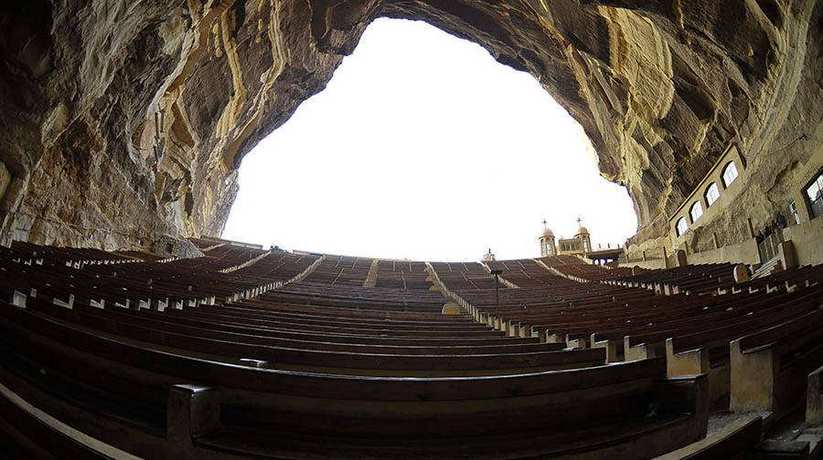
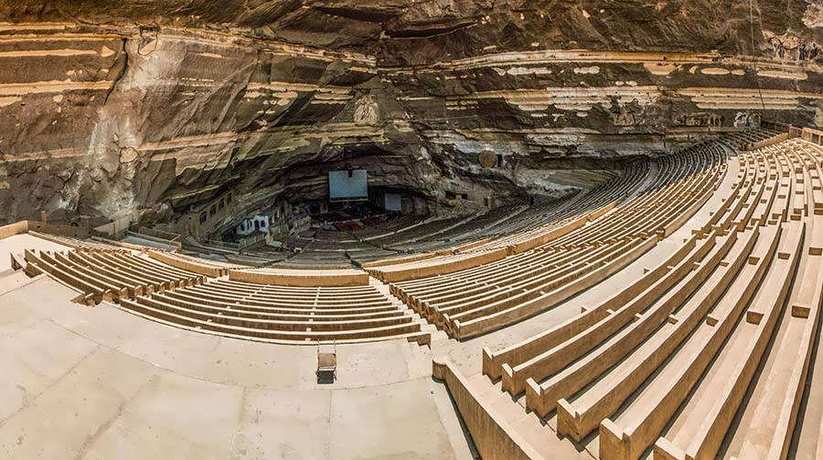
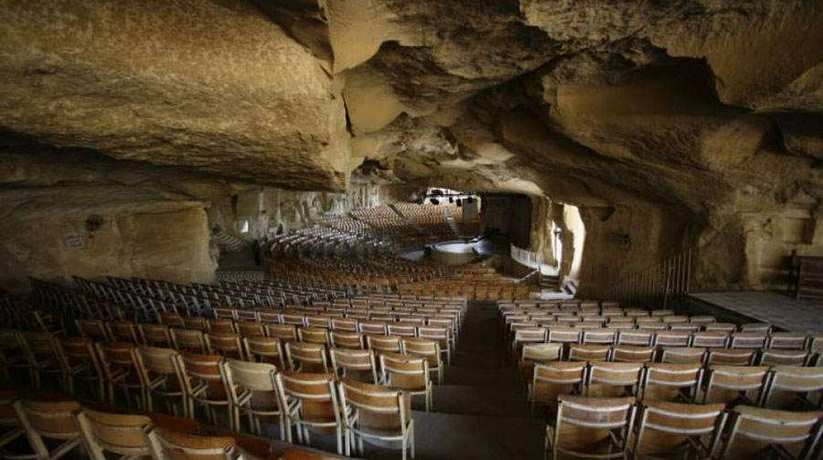
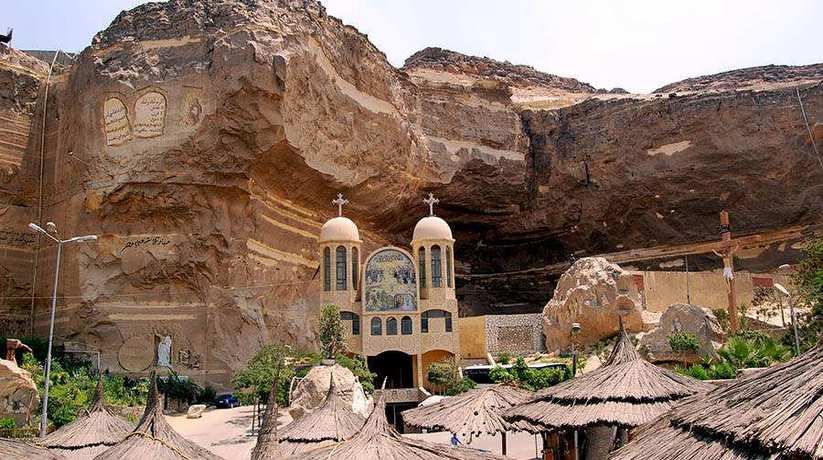
Coptic Cairo Egypt also represented by the Cave church. The church also known as Saint Simon monastery. It located in the Mokattam mountain in southeastern Cairo, Egypt. In fact, the church is in an area which known as “garbage city”. It is because of the large population of garbage collectors or Zabbaleen live there. In fact, Cave Church Cairo in Egypt indeed is one of the largest churches in the country. Moreover, The Cave church Cairo is a church where 20,000-plus Christians gather every week. It is to worship and praise Jesus. Cave church Cairo is place that’s home to one of the world’s oldest Christian communities. In fact, the Zabbaleen are descendants of farmers who started migrating from Upper Egypt to Cairo. It was in the 1940. Fleeing poor harvests and poverty they came to the city looking for work.

Further details about Coptic Cairo Egypt:

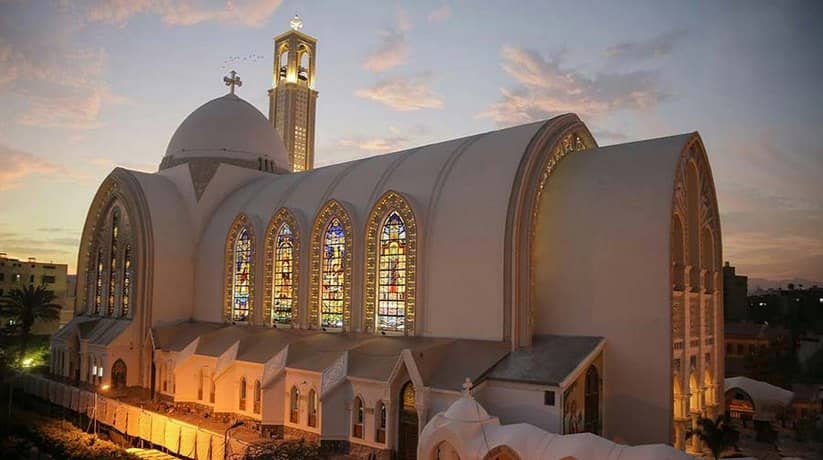
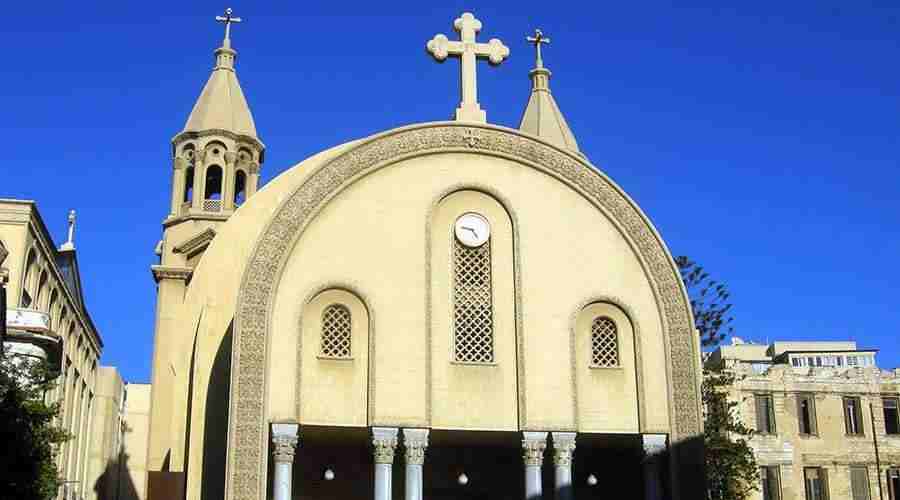
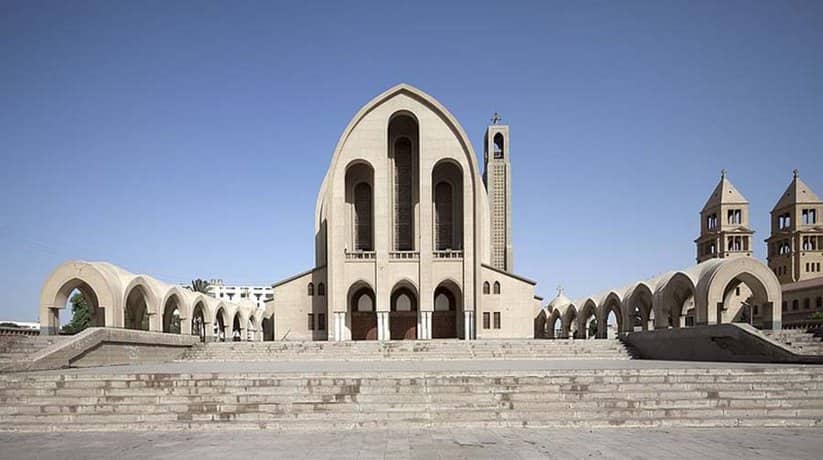
Coptic Cairo Egypt also represented by St. Mark Coptic Orthodox Cathedral. The church is a Coptic Orthodox cathedral. The cathedral located in Abbassia district in Cairo, Egypt. Moreover, it is the seat of the Coptic Orthodox Pope. In fact, Cairo Saint Mark Cathedral built during the time when Pope Cyril VI of Alexandria was Pope. Moreover, he was Pope of the Coptic Orthodox Church. Furthermore, Cairo Saint Mark Cathedral inaugurated by Pope Cyril in 1968. In fact, the land where the Cathedral stands was for centuries as a cemetery for the Christians. This land also had the historic Anba Rouis church. However, the land had given to the Coptic Orthodox Church in 969 by Gawhar. It given as a replacement for the land that taken from the church.

Coptic Cairo Egypt also represented by Coptic Museum. The Coptic museum in Cairo located inside the ruins of the Roman Babylon Fortress. It is in Old Cairo. Old Cairo is an area full of Coptic sites. Nobody would ever believe that the foundation of the Coptic Museum dates back to the era of the Persians. Moreover, a lot of items added afterwards by the Roman emperors August and Trajan. Coptic Museum today consists of two major sections. The old section established by Smeka Pasha. The other one is the New section. The new section consists of two floors. It opened for the public in 2006 by the president Mubarak. The renovation of Coptic museum costed 30 million Egyptian pound. It affected by the earthquake which struck Egypt in 1992.

More details:

Coptic Cairo Egypt also represented by St. Barbara church. The church is one of the many famous Coptic Orthodox parishes in Old Cairo district. In fact, the building located on the eastern part of the Babylon Fortress. Moreover, it is indeed one of the oldest buildings in Cairo. Saint Barbara church Cairo dates back to the 5th or 6th century AD. Like many other buildings of Coptic architecture, Saint Barbara church rebuilt several times. Most by the end of the 11th Century. Saint Barbara church Cairo stands north of the Coptic Museum. It is east of the Church of Saints Sergius and Bacchus on the eastern side of Babylon Fortress. It dedicated to Abu Kir and Yohanna or St. Cyrus and St. John. When the remains of St. Barbara brought here, a separate sanctuary built.

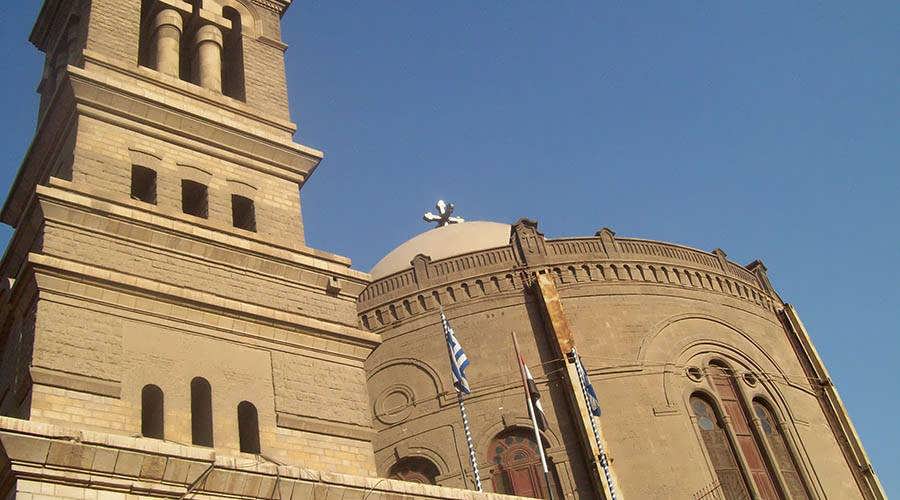
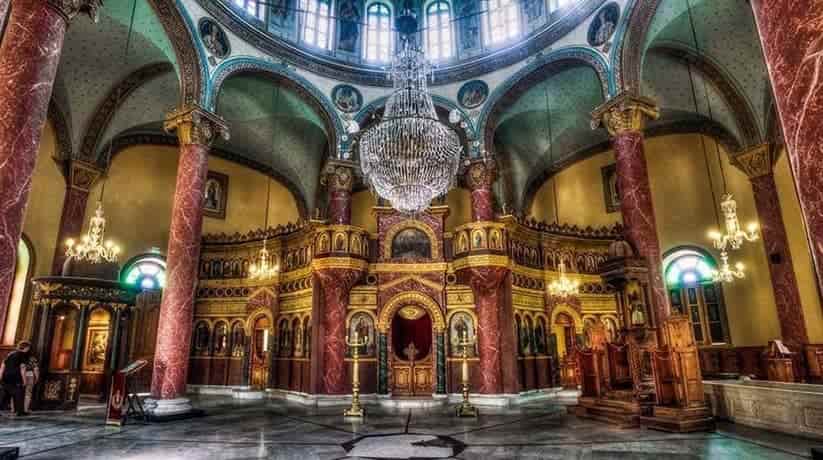
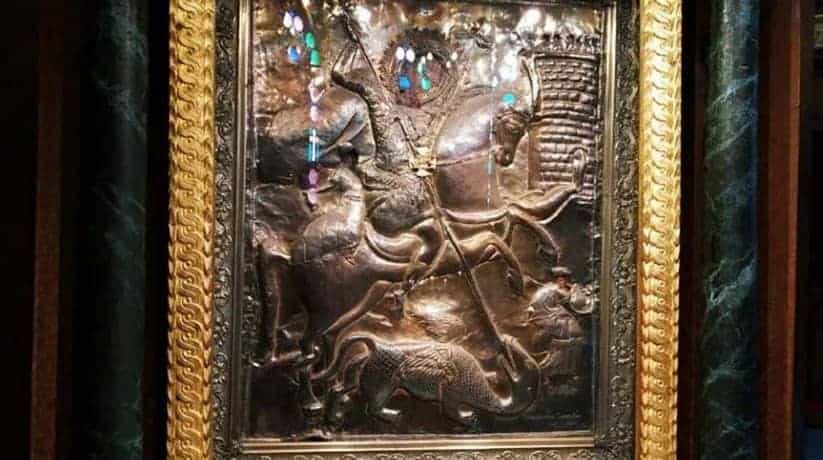
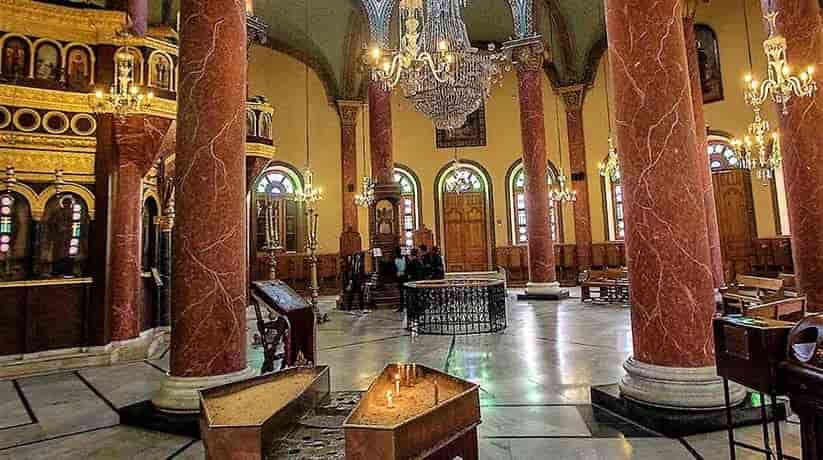
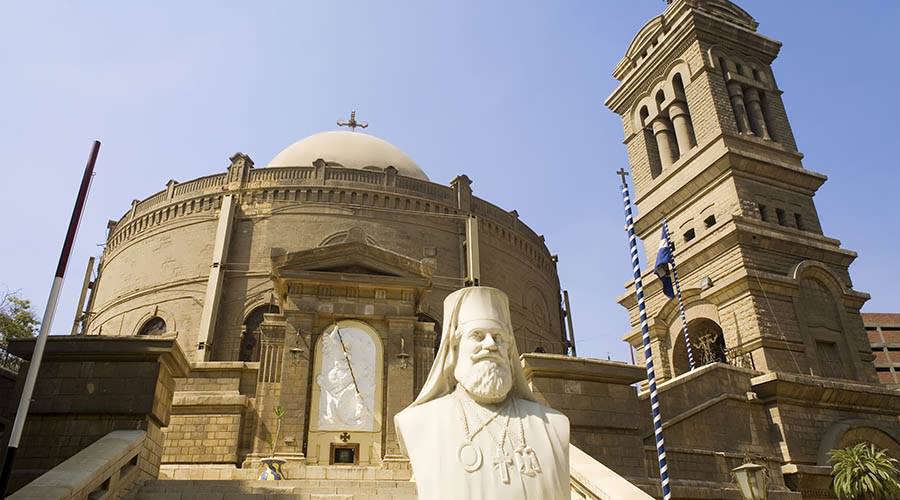
Coptic Cairo Egypt also represented by St. George church. In fact, is a Greek Orthodox Church. In fact, the church is one of the few round churches still in existence in the East. Moreover, it formed from it’s placement atop a rounded Roman tower. The Holy Family took shelter in a place now covered by Saint George church Cairo. There is a long set of steps. In fact, it leads up to Saint George church Cairo. They built on the outer wall of the Roman towers. As one ascend these steps, he will find a relief of Saint George. He will find also the dragon wrapped around the outer brickwork of the tower. Saint George church Cairo burned many times. In fact, t burnt in 1904 and the current structure built in 1909. It still has some of the older structure’s beautiful stained-glass windows.

Further details:

Coptic Cairo Egypt also represented by Hanging church. In fact, the church approached by 29 steps. Early travelers to Cairo dubbed it “the Staircase Church”. In fact, the land surface risen by some 6 meters. It is since the Roman period. The Roman tower buried below ground. It reduce the visual impact of the church’s elevated position. The entrance to Hanging church from the street is through iron gates. It is under a pointed stone arch. The nineteenth century facade with twin bell towers seen beyond a narrow courtyard. It decorated with modern art biblical designs. Up the steps and through the entrance is a further small courtyard. It leads to the eleventh century outer porch.

Coptic Cairo Egypt also represented by Virgin Mary church in Zeitoun. Virgin Mary apparitions in Egypt took place in Virgin Mary church Zeitoun in Cairo. In fact, the church built in 1924 and consecrated by Athanasious, bishop of Beni Suef in 1925. It didn’t fall into the category of buildings more than 100 years old and protected by law. Moreover, Virgin Mary church Zeitoun has fine architecture and the site of an acclaimed miracle. That is why it become a popular attraction for pilgrims. People from all around the world visit the church day and night. A great deal of time and effort has gone into its restoration, which has been

More details about Coptic Cairo Egypt:

Coptic Cairo Egypt also represented by Virgin Mary tree. In fact, the tree is an old sycamore tree. It is under which the Virgin Mary used to rest. It was while taking refuge in the village of Matareyya during the Holy Family’s flight in Egypt. In fact, the original Virgin Mary tree in Cairo which lasted till 1890 is now dead. Another tree grew by itself in the same place after that died. Moreover, the current green tree grew on its own and stands today. Virgin Mary tree in Cairo attracts thousands of pilgrims each Christmas. It called Virgin’s tree. Matareyya is an incoherent district in Cairo, Egypt. There are many sacred trees in Egypt. Furthermore, these trees offered shelter for the Holy Family during their stay here. In fact, Virgin Mary tree in Cairo holds the highest regard of all.

Coptic Cairo Egypt Highlights:

Abu Serga Church Cairo
+View details
Egypt Nile cruises and hotels
Cairo Churches Egypt
+View details
Egypt Nile cruises and hotels
Cairo Saint Mark Cathedral
+View details
Egypt Nile cruises and hotels
Load more

MORE
Coptic Aswan Egypt

Coptic Aswan Egypt

  • Coptic Aswan Egypt
  • Coptic Aswan Egypt
  • Coptic Aswan Egypt
  • Coptic Aswan Egypt
  • Coptic Aswan Egypt

Coptic Aswan Egypt tours, prices, booking, reviews, details

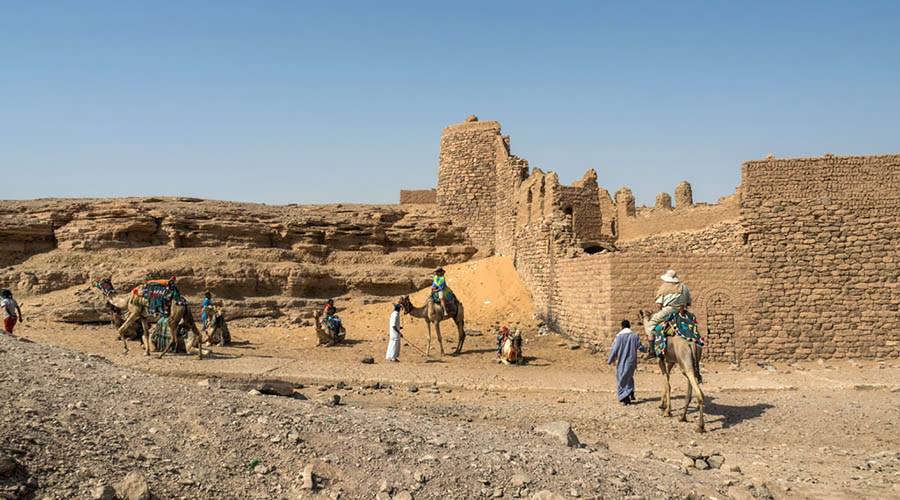
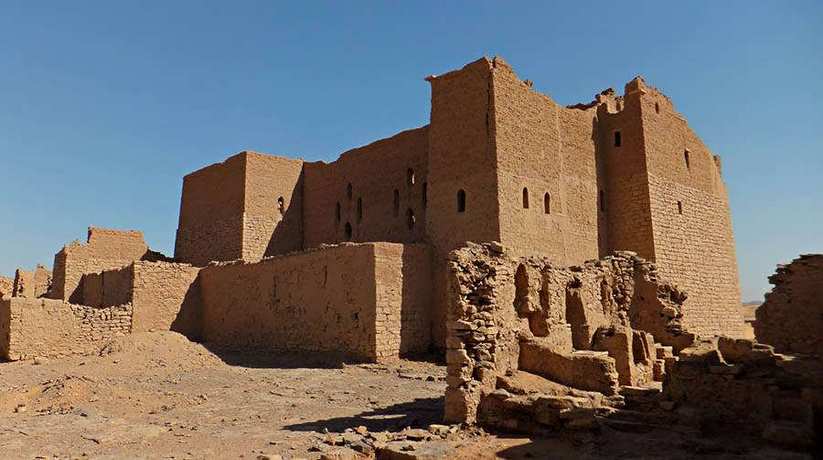
Coptic Aswan include St. Simeon Monastery which known as Deir Anba Samaan. It also known as Anba Hatre Monastery. In fact, the tour to Saint Simeon Monastery Aswan also includes camel ride for about 15 minutes. The camel ride will be through ruins of the monastery. The monastery located some one thousand two hundred meters from the west bank. It is opposite to the southern tip of Elephantine Island. The monastery given the name St. Simeon by archaeologists and travelers. The earlier Arabic and Coptic sources called it Anba Hatre or Hidra. It was after an anchorite who consecrated a bishop of Syene which is now Aswan. Anba Hatre married at the age of eighteen. According to the traditions, after the wedding, he encountered a funeral procession.

In fact, the funeral inspired him to preserved his chastity. Later, he became a disciple of Saint Baiman. He retired to the desert and applied himself to study the life of Saint Anthony. It was After eight years of ascetic practices under the supervision of his teacher. Furthermore, he died during the time of Theodosius I. The monastery examined and a study about it published by Grossmann in 1985. In 1998 the inspectors of the antiquities removed some debris from Saint Simeon monastery Aswan. In fact, little else accomplished. There was a monastic settlement at the monastery. In fact, it was sixth or seventh century ago. It indeed is clear from wall paintings in some of the rock caves. The rock caves date back to that period. The monastery was subject to significant building activity.

Further details:

Afterwards, the monastery occupied by monks. During the 1173 AC, the monastery suffered from violent attack and heavy damage. It was when the troops of Salah al-Din (Saladin) conducted their expeditions into Nubia. Saladin feared from marauding Christian Nubian. He feared that they maybe use the monastery to make forays into southern Egypt. By the end of the thirteenth century, about 1,000 monks abandoned the monastery. It was either because of the lack of water or the frequent raids by desert marauders. Although much of the monastery is in ruins, many of its main features well preserved. In fact, the monastery indeed is of considerable architectural interest. It is because of its church and its tower as well. The church provides the most important example of a domed Christian church in Egypt.

Coptic Aswan Highlights:

Saint Simeon Monastery Aswan
+View details
Egypt Nile cruises and hotels

MORE
Cave Church Cairo Egypt

Cave Church Cairo Egypt

  • Cave Church Cairo Egypt
  • Cave Church Cairo Egypt
  • Cave Church Cairo Egypt
  • Cave Church Cairo Egypt
  • Cave Church Cairo Egypt
  • Cave Church Cairo Egypt

Cave church Cairo Egypt tours, booking, prices, reviews

Cave Church Cairo also known as Saint Simon monastery. It located in the Mokattam mountain in southeastern Cairo, Egypt. In fact, the church is in an area which known as “garbage city”. It is because of the large population of garbage collectors or Zabbaleen live there. In fact, Cave Church Cairo in Egypt indeed is one of the largest churches in the country. Moreover, it is a church where 20,000-plus Christians gather every week. It is to worship and praise Jesus. The church is place that’s home to one of the world’s oldest Christian communities. In fact, the Zabbaleen are descendants of farmers who started migrating from Upper Egypt to Cairo. It was in the 1940.

Fleeing poor harvests and poverty they came to the city looking for work. They set up makeshift settlements around the city. Moreover, they stuck to their tradition of raising pigs, goats, chickens and other animals. They found collecting and sorting of waste produced by the city residents more profitable. The Zabbaleen would sort through household garbage, salvaging and selling things of value. The organic waste provided an excellent source of food for their animals. In fact, this arrangement worked so well. The successive waves of migrants came from Upper Egypt to live and work. It was in the newly founded garbage villages of Cairo.

Further details About Cave Church Cairo:

For years, the makeshift settlements of the Zabbaleen moved around the city. They tried to avoid the municipal authorities. Moreover, a large group of Zabbaleen settled under the cliffs of the Mokattam at the eastern edge of the city. It has now grown from a population of 8,000 in the early 1980s to become 30,000 Zabbaleen inhabitants. Egypt is a Muslim majority country. Furthermore, the Zabbaleen are Coptic Christians, at least, 90 percent of them are. Christian communities are rare to find in Egypt. The Zabbaleen prefer to stay in Mokattam within their own religious community. It is even though many of them could afford houses elsewhere.

In fact, Cave church Cairo in Mokattam Village established in 1975. After the establishment of the Cave Church in Cairo, Zabbaleen felt more secure in their location. They only then began to use more permanent building materials. It is such as stone and bricks, for their homes. They given their previous experience of eviction from Giza in 1970. Zabbaleen had lived in temporary tin huts up till that point. In 1976, a large fire broke out in Manshiyet Nasser. It led to the beginning of the construction of the first church below the Mokattam mountain. It was on a site of 1,000 square meters. Several more churches have built into the caves found in Mokattam. the Church of St. Simon is the largest with a seating capacity of 20,000. In fact, the Church of St. Simon in Mokattam is the largest church in the Middle East.

Nearby attractions Information, tours and Online Booking

More of Coptic Egypt

More of Egypt attractions

MORE
Egypt Coptic Museums

Egypt Coptic Museums

Egypt Coptic Museums information, tours, prices and online booking

Egypt Coptic Museums include only one Coptic museum. In fact, it located in Old Cairo area in Cairo, called the Coptic Museum. The Coptic Museum is a museum in Coptic Cairo, Egypt with the largest collection of Egyptian Christian artifacts in the world. In fact, it founded by Marcus Simaika Pasha in 1908 to house Coptic antiquities. The museum traces the history of Christianity in Egypt from its beginnings to the present day. Moreover, it erected on 8,000 square meters offered by the Coptic Orthodox Church of Alexandria. It was under the guardianship of Pope Cyril V. In fact, the Coptic Museum houses the world’s most important examples of Coptic art.

In 1908, after receiving approval and a number of silver antiquities from Patriarch Cyril V and raising funds by public subscription, Marcus Simaika Pasha built the Coptic Museum and inaugurated it on March 14, 1910. The Coptic community was generous in their support of the museum. They donated in fact many vestments, frescoes and icons. In 1931 the Coptic Museum became a state museum. It was under the jurisdiction of the Department of Antiquities. In 1939 the collection of Christian antiquities in the Egyptian Museum moved there.

More information about the topic:

These were housed in the New Wing, completed in 1944. Because of damage, the Old Wing was closed in 1966, and the entire museum was renovated between 1983 and 1984. The foundations of the museum were strengthened and reinforced between 1986 and 1988, which helped the museum survive the 1992 earthquake. Further renovations took place 2005-06. Marcus Simaika Pasha was followed by Dr. Togo Mina and then by Dr. Pahour Labib, the first to have the title of Director of the Coptic Museum.

Egypt Coptic Museums Highlights:

Coptic Museum Cairo Egypt
+View details
Egypt Nile cruises and hotels

MORE
Coptic Alexandria Egypt

Coptic Alexandria Egypt

  • Coptic Alexandria Egypt
  • Coptic Alexandria Egypt
  • Coptic Alexandria Egypt
  • Coptic Alexandria Egypt
  • Coptic Alexandria Egypt
  • Coptic Alexandria Egypt

Coptic Alexandria Egypt tours, booking, prices, reviews

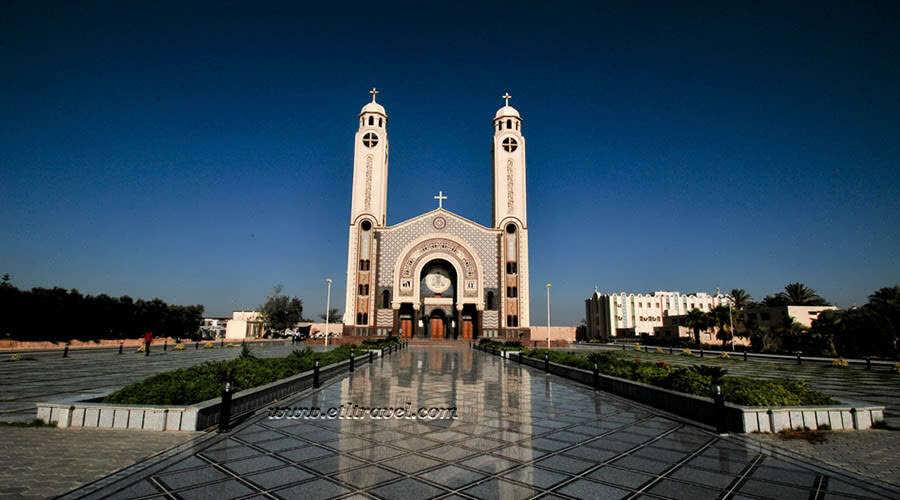
Coptic Alexandria includes St. Mark Coptic Cathedral Alexandria. It is in Alexandria city, Egypt. It is the historical seat of the Pope of Alexandria. The head of the Coptic Orthodox Church. Saint Mark Coptic Orthodox Cathedral Alexandria is stand on the site of the church founded by St. Mark the Evangelist in AD 60. St. Mark the Evangelist is author of the second Gospel. He connected with the city of Alexandria since earliest Christian tradition. Coptic Christians believe he arrived in Alexandria around AD 60 and stayed for about seven years. During this time, Mark converted many to Christianity and performed many miracles.

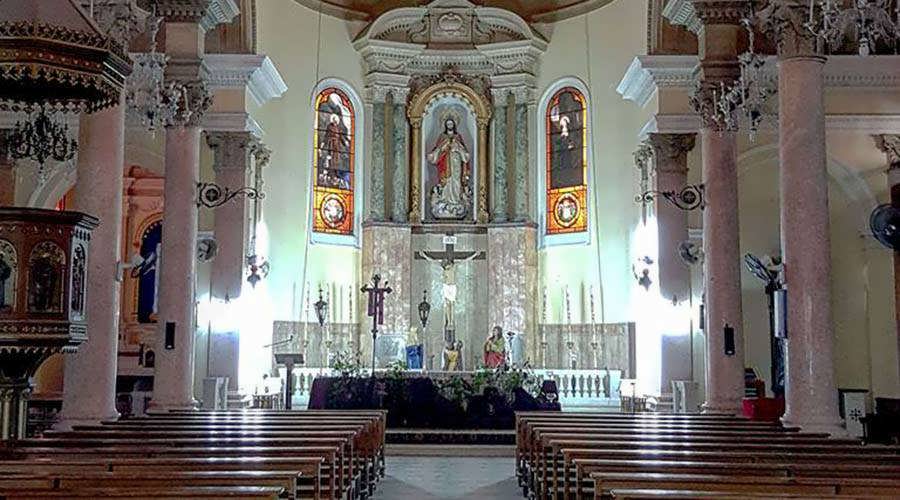
Coptic Alexandria also featured by Sacred Heart Church. It is a Catholic church. Moreover, it primarily visited by the Latin Catholics of Alexandria. St. Francis served as the patron saint. He was an Italian monk born in 1181. In fact, he also lent his name to many Franciscan schools which found around the world. Sacred Heart Church Alexandria is worthy to visit for its breathtaking religious art. You will see icons, murals, figurines and most exquisite stained glass artwork. When you enter the Sacred Heart Church, you will find images from the life of the Christ. In fact, it portrayed on one side of the church’s walls.

Further details:

Coptic Alexandria also includes St. Mina Monastery. It located approximately 50 km southwest of Alexandria city, Egypt. Saint Mina Monastery Alexandria nestled in the small village town of Abu Mina. That is why, sometimes the monastery called Abu Mina Monastery. Saint Mina fallen as a martyr in the early 4th century. In fact, it was when the Roman Empire was persecuting Christians. A modern monastery built on the location of an ancient church. In fact, it is where the Saint’s remains buried.

Coptic Highlights:

Sacred Heart Church Alexandria
+View details
Egypt Nile cruises and hotels
Saint Bishoy Monastery Alexandria
+View details
Egypt Nile cruises and hotels
Saint Macarius Monastery Egypt
+View details
Egypt Nile cruises and hotels
Load more

MORE
Deir Al Adra El Minya

Deir Al Adra El Minya

  • Deir Al Adra El Minya
  • Deir Al Adra El Minya
  • Deir Al Adra El Minya
  • Deir Al Adra El Minya
  • Deir Al Adra El Minya
  • Deir Al Adra El Minya
  • Deir Al Adra El Minya

Deir Al Adra El Minya, Egypt tours, prices, booking, reviews

Deir Al Adra which means “the Virgin Mary’s monastery” also called Gebel El Teir monastery. In fact, the last name means “the mountain of birds” and the reason behind this name mentioned below. The monastery located about 24 kilometer to the north of El Minya city. It is in the eastern bank of the Nile. In fact, the monastery situated on the top of the Birds mountain. The mount rises about 100 meters from the ground. Deir Al Adra is an old Monastery and church which built by Empress Helena in 328 AC. Furthermore, the monastery located on the site where the Holy family stayed during their flight to Egypt. Moreover, it is about 100 kilometer south of Beni Suef. Furthermore, the Virgin Mary’s monastery situated on a hill on the east bank of the Nile.

Faithful pilgrimage held there between January 29th and August 22nd each year. To the north are ancient quarries and a low relief of Ramses III. Just south are the Frazer tombs which date back to the 5th and 6th Dynasties. Moreover, there are four tombs which are simple and built into the desert cliffs. In fact, Deir Al Adra houses one of the most beautiful in Egypt which the Church of the Holy Virgin. This Christian church stands on the east bank of the Nile some forty kilometers north of El Minya Bridge. Moreover, the church located in Middle Egypt and just east of the city of Samalut. One may cross the Nile from Bayahu to Gebel El Teir by sailing boat. In fact, there is no regular service to reach the monastery. Moreover, it may take up top two hours for the crossing depending on the wind.

Further details about Deir Al Adra:

After reaching the east bank of the Nile one must climb 166 steps up a cliff to reach the church. The building sits among the dwellings of the mountain, on top of a rock. There, you can have a wonderful view of the Nile Valley with its cultivated fields and lush palm tree groves. Gebel El Teir named so because of the thousands of Birds that live and nest in the cliffs. Moreover, Deir Al Adra or Holy Virigin Mar’s monastery also called Gebel Al Kaff which means “mountain of the hand”. Tradition holds that this was one of the locations that the Holy Family visited in their trip in Egypt. In fact, they passing by this place in a small boat headed up river. And then, the Holy Virgin noticed an enormous rock coming loose from the mountain.

The rock was about to fall on the boat and its occupants. The child Jesus extended his hand, intervened and stopped the rock from falling on the boat. The shape of Jesus hand remained imprinted on the rock. In fact, this rock which has dimension 70 cm x 50 cm, displayed now at the British Museum in London. As mentioned above, the Church of the Holy Virgin built by the empress Helena (mother of the Emperor Constantine). It was to memorize the passage of the Holy Family. The west wall of the church features a memorial tablet. In fact, it indicates that the first structure completed in the year 328 AC. Moreover, the tablet repaired by Severus, the bishop of El Minya in 1938. In fact, the original edifice was a tomb which dates back to the late Roman period. It transformed into a church during the 7th century.
More details about Deir Al Adra:

Indeed, its shape is comparable to that of the funerary monuments of Roman Egypt. Deir Al Adra inhabited by monks until the middle of the 19th century. Moreover, the monastery visited by various visitors including Wansleben in 1672 AC. The visitors also included F. L. Norden in 1740 AC and Richardson in 1816 AC. Moreover, Henniker in 1819 AC and Lord Cursor in 1838 AC also visited the monastery. At first glance, the church looks a massive brick construct with a steeple in the northeast corner. In fact, the church at the Holy Virgin Mary’s monastery carved from the rock. The renovation and restoration work carried out in 1938. In fact, they included the removal of the original stone roof. It was to make the church taller so that a second level could added. Extra rooms added on the south and west sides.
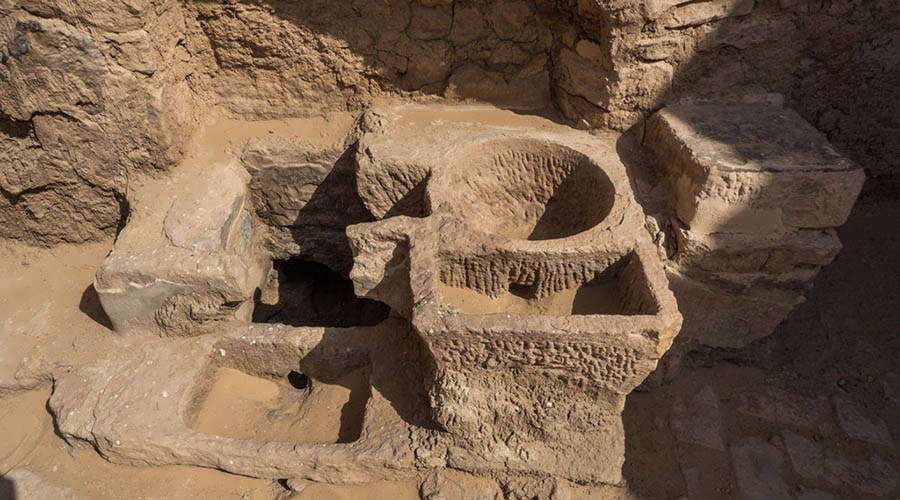
In fact, this church is where the local Christians baptize their children. Moreover, a large building has recently built next to the church. In fact, this building houses seven baptismal fonts. The church itself has a Naos, which consists of a nave with two side aisles. Moreover, the church comprises a western return aisle and three sanctuaries. Ten columns hewn from the rock separate the small side aisles and western return aisle. On the south side of the church, the baptismal font has carved in a column. The area in front of the middle sanctuary raised about one meter above the nave. In fact, it is to serve as a Choir (Khurus). The choir approached by a double flight of steps. Two columns with exquisite Corinthian capitals delineate this space, which prolongs the nave.

Further details about Deir Al Adra:

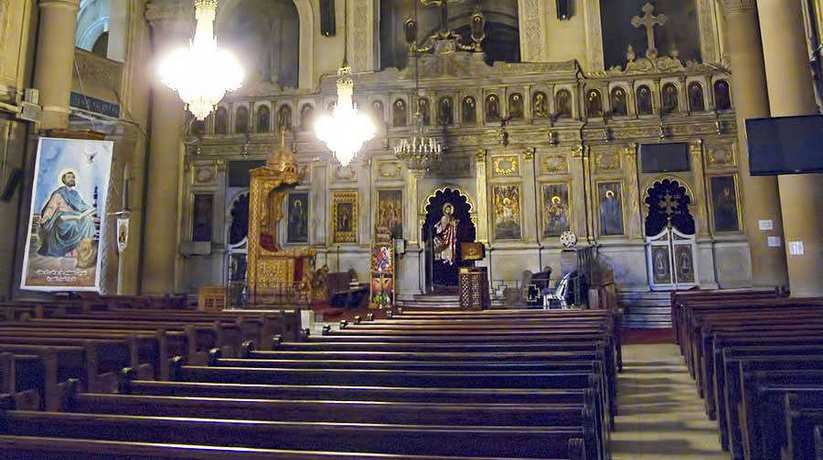
Moreover, the central sanctuary located behind an iconostasis (screen). In fact, it also hewn from the rock. Furthermore, it decorated with small pilasters and niches. In fact, they are the characteristic of ancient Upper Egyptian Churches. The small room to the south of the sanctuary was the ancient narthex (entrance area). In fact, it is the oldest part of the church. The church also features motifs which motifs drawn from the vegetable and animal realms. In fact, they are above the west entrance friezes from ancient Christian edifices. Moreover, they show seven human figures. Each one of the these figures depicted within a niche and holds a book in the left hand. In fact, these human figures represent seven apostles. Moreover, they were once a part of a larger composition and the rest of which now lost.

The Church of the Holy Virgin is the goal of a pilgrimage which attracts about tens of thousands of pilgrims. In fact, they come by sailing boats, trains, buses and other transport from all over Egypt. They come to Deir Al Adra for the Feast of the Assumption of the Holy Virgin. In fact, this feast celebrated on August 22nd at Deir Al Adar monastery every year. The monastery also known as the monastery of the Pulley. In fact, it is because of an old pulley which housed in the monastery. This pulley used to enter the monastery from the base of the cliff in the past. This pulley has a great importance to the monastery. In fact, it was the only mean to enter the Holy Virgin Mar’s monastery.

Nearby attractions Information, tours and Online Booking

More of Coptic Egypt

More of Egypt’s attractions

MORE
Cairo Saint Mark Cathedral

Cairo Saint Mark Cathedral

  • Cairo Saint Mark Cathedral
  • Cairo Saint Mark Cathedral
  • Cairo Saint Mark Cathedral
  • Cairo Saint Mark Cathedral
  • Cairo Saint Mark Cathedral
  • Cairo Saint Mark Cathedral

Cairo Saint Mark Cathedral tours, booking, prices, reviews

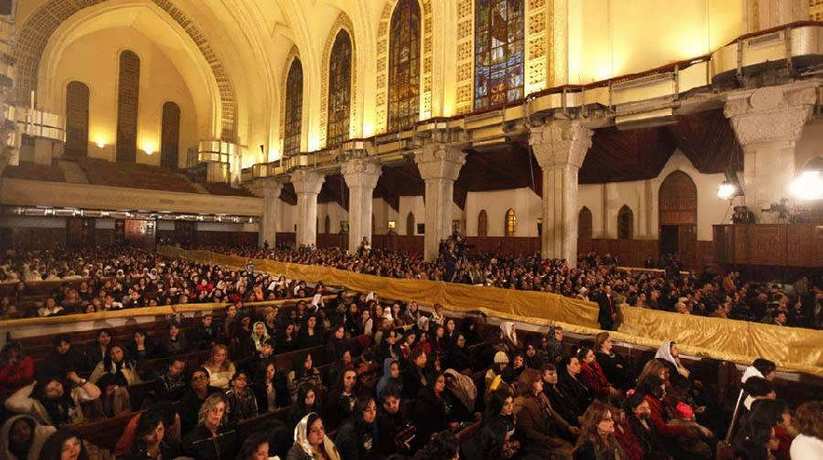
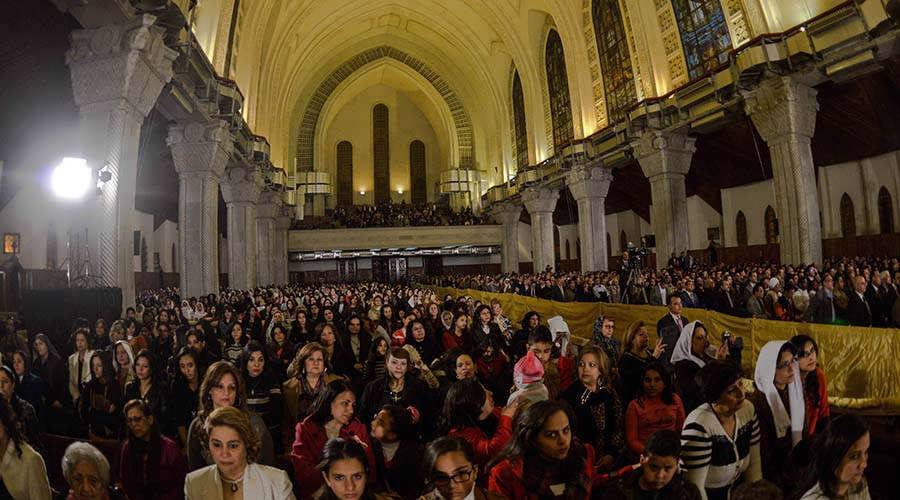
Cairo Saint Mark Cathedral is a Coptic Orthodox cathedral. The cathedral located in Abbassia district in Cairo, Egypt. Moreover, it is the seat of the Coptic Orthodox Pope. In fact, Cairo Saint Mark Cathedral built during the time when Pope Cyril VI of Alexandria was Pope. Moreover, he was Pope of the Coptic Orthodox Church. Furthermore, the Cathedral inaugurated by Pope Cyril in 1968. In fact, the land where the Cathedral stands was for centuries as a cemetery for the Christians. This land also had the historic Anba Rouis church. However, the land had given to the Coptic Orthodox Church in 969 by Gawhar. It given as a replacement for the land that taken from the church. It taken to include in building the Palace of al-Muizz Li-Deenillah.

In fact, during the twelfth century the area contained ten Coptic Churches. Furthermore, on 18 February 1280 the churches destroyed by the persecutors of the Christians. It was during the rule of Sultan Qalawun. Furthermore, two Churches built in the area under the rule of his son. In addition, in 1943 the govern-orate of Cairo attempted to expropriate the area for public use. This opposed by the General Congregation Council. He led by its secretary at the time Mr. Habib Elmasry their successful campaign. Finally, they proved that Coptic Church maintained control of the land. In fact, it was under the condition that a non-profit building built on it for following fifteen years. Thus, this condition spurred the building of the cathedral.

Further details about Cairo St. Mark Cathedral:

Cairo Saint Mark Cathedral is indeed a unique example of architectural evolution. It also includes seven churches. Furthermore, some of them have a great historic value such as Anba Rouis Church. The Cathedral also represents the rapid development of Coptic architecture. Moreover, the famous Coptic civil engineer Michel Bakhoum contributed in its structural design. It has a capacity for 5,000 worshipers. The Roman Catholic pontiff of the time, Pope Paul VI, returned part of St. Mark’s relics. It was before the completion of Cairo Saint Mark Cathedral. They taken from Egypt in the year 828 to Venice, Italy. These relics taken to the constructed Cathedral. They placed in a built shrine decorated with Coptic icons. Moreover, they still remain there today.

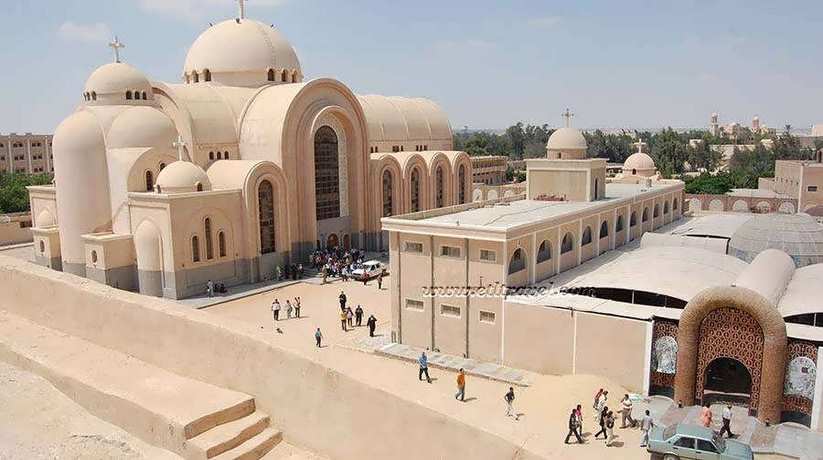
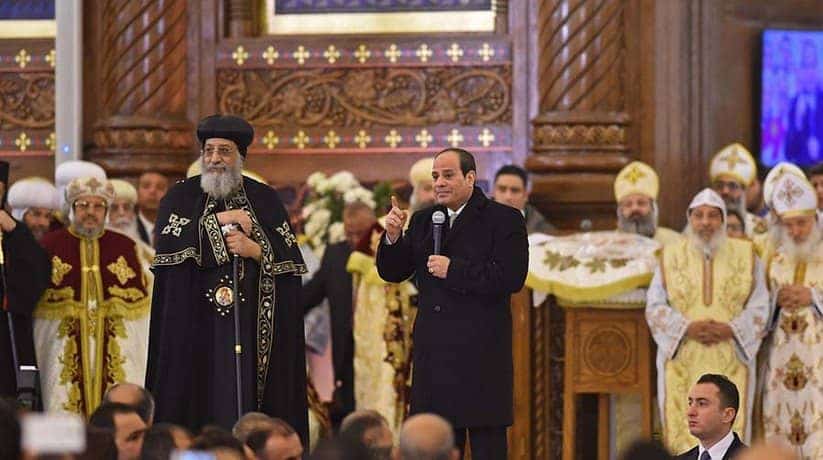
In fact, the Coptic Cathedral of St. Mark is by far the largest Cathedral in Africa and the Middle East. The inauguration of the new Cairo Saint Mark Cathedral took place on June 25, 1968. The cathedral was in a ceremony which attended by Egyptian President Gamal Abdel Nasser. It also attended by Ethiopian Emperor Haile Selassie. Moreover, it also attended by other foreign clergy members from other churches. It was the seat of the Coptic Pope, His Holiness Pope Shenouda III. He was Pope and Patriarch of Alexandria and the Seat of St. Mark.

Nearby attractions Information, tours and Online Booking

More of Coptic Egypt

More of Egypt attractions

MORE
error: Copyright © www.etltravel.com !