Activities in Nile Valley

Things to Do

Giza Plateau Cairo Egypt
Giza Plateau Cairo Egypt
  • Giza Plateau Cairo Egypt
  • Giza Plateau Cairo Egypt
  • Giza Plateau Cairo Egypt
  • Giza Plateau Cairo Egypt
  • Giza Plateau Cairo Egypt
  • Giza Plateau Cairo Egypt

Giza Plateau Cairo Egypt tours, prices, booking, reviews

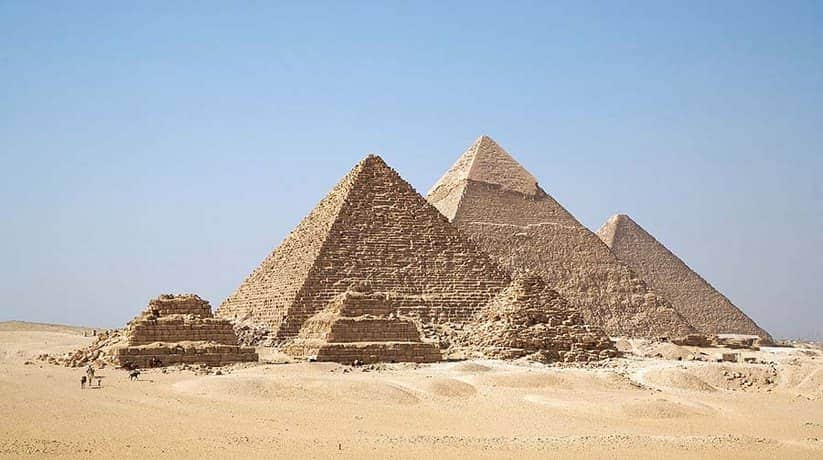
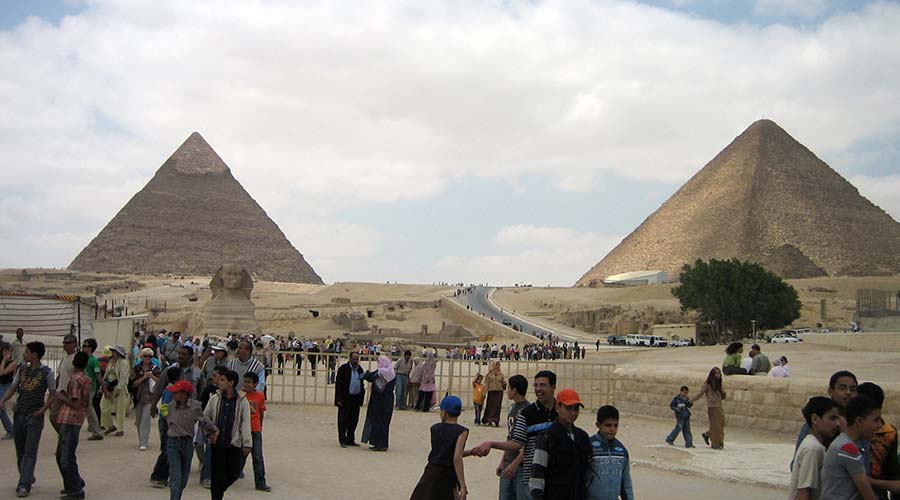
Giza Plateau Cairo is a plateau which located in Giza, Egypt. The famous Giza Necropolis located in this geographical area. It characterized by a sandy, desert climate and terrain with little vegetation. Khufu became the king of Egypt after the death of his father Sneferu. There was no convenient space remaining for Khufu’s own pyramid complex at Dahshur. It is where Sneferu buried. Khufu moved his court and residence farther north. Giza Plateau located only a few kilometers south of Cairo. It is several hundred meters from the last houses in the southernmost part of the city proper. Giza Plateau is where a limestone cliff rises from the other side of a sandy desert plateau. The ancient Egyptians called this place Imentet or kher neter.

In fact, Giza Plateau  is a part of the Middle Eocene Mokattam Formation. This is according to a treatise on the geology of Giza Plateau in Cairo. Moreover, it dips southeast, comprising limestone and dolomite. To the south are the Mokattam and dolomite limestone. They are overlain by the limestone and sandy marl of the Upper Eocene Maadi Formation. To the north and east is the Mokattam Formation. It characterized by two steep escarpments about 30 meters (92 feet) high. Moreover, it continues to the Great Sphinx ditch. It must at one time formed a high peak. From there, the stonemasons cut the core blocks for the Great Pyramid. The older pyramids of the third and early fourth dynasty built on thick layers of marl and slate. These marl layers were easier to dig than limestone.

Further details about Giza Plateau Cairo Egypt:

In fact, excavation of the large shafts extended about 30 meters beneath the step pyramids. Moreover, it accomplished in a reasonable time. However, there was also a serious disadvantage. It was because the marl layers could not support their weight. The under-layer gave way, and the construction became unstable. This in fact happened with the South Pyramid at Dahshur. It is where cracks and serious damage appeared in the corridor system and in the chambers. That is why the pyramid had to abandoned. Khufu planned his own ambitious pyramid. He looked for a solid rock base nearby quarries and a dominating position overlooking the Nile Valley. He of course found it at Giza Plateau Cairo. In fact, the plateau subdivided into two groupings of monuments, defined and separated by a wadi.

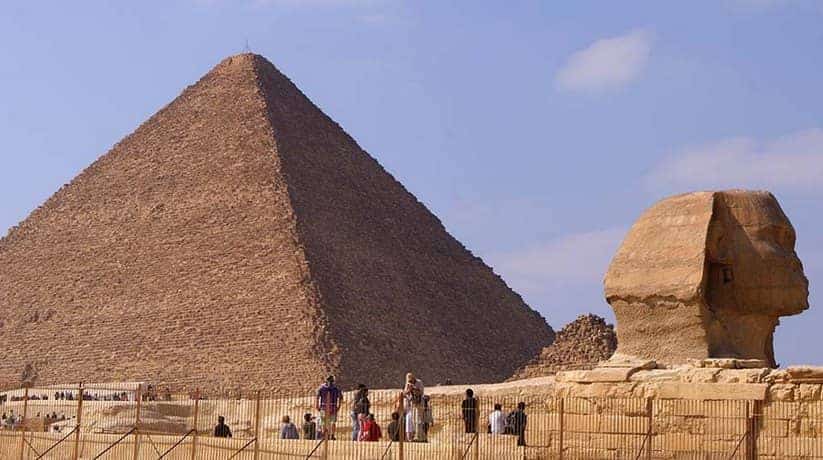
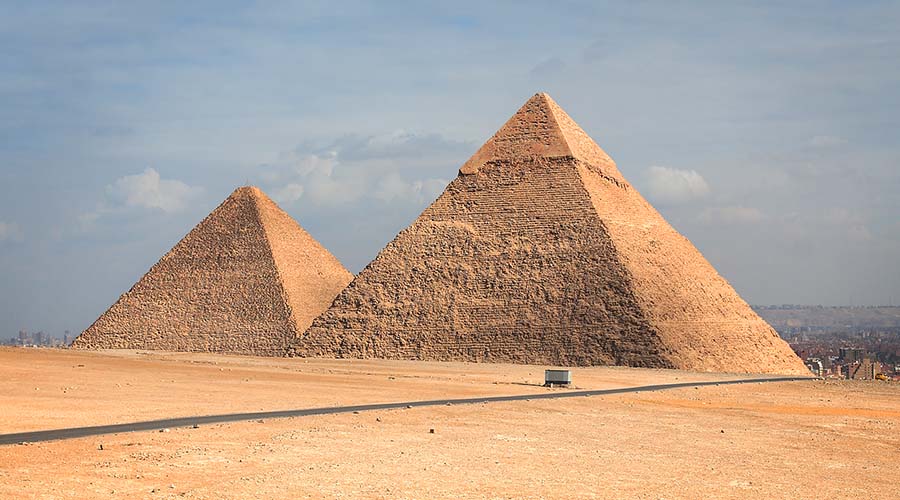
The larger grouping consists of the three Great pyramids of Khufu, Chephren and Menkaure. Moreover, it also includes Great Sphinx and the private mastabas of the nobility. The second grouping, located on the ridge to the southeast. It contains many private tombs of citizens of various classes. The majority of the monuments of the larger grouping made from limestone. It quarried and transported to the site. The tombs of the smaller grouping carved out of the native living rock. The three Great Pyramids are the most famous and prominent monuments at Giza Plateau. It was actually a Necropolis almost since the beginning of Pharaonic Egypt. A tomb just on the outskirts of Giza plateau dates back to the reign of the First Dynasty Pharaoh. Wadj Jar sealing discovered in a tomb in the southern part of Giza plateau Cairo. It mentions the Second Dynasty Pharaoh Ninetjer.

More details about Giza Plateau Cairo Egypt:

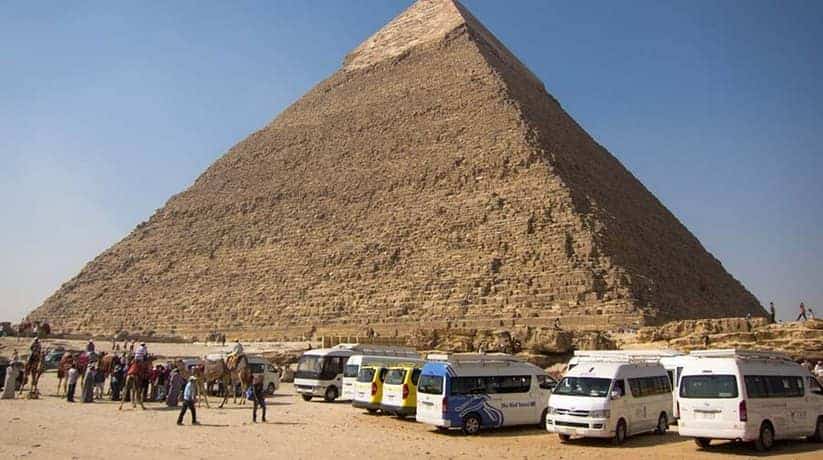
To build his complex, he had to clear away many of the old tombs. He had to fill in their shafts or even destroy them. Khufu pyramid is the largest of all the pyramids in Egypt. The Khufu pyramid surpasses the Red pyramid at Dahshur built by only ten meters. The Red pyramid built by Khufu’s father father Snefru. On its southwest diagonal is the pyramid of Khufu’s son, Chephren (Khafre). Although it is smaller, a steeper angle results in the illusion that they are the same size. The Chephren’s pyramid appears taller since it is on higher ground. The notion that it done on purpose to out-do his father is without a question. It occupies the central point and has the illusion of greater size. It is still has some of its casing stones intact.

Mistaken to as the Great Pyramid, something would no doubt please Chephren in case he alive today. Along the southwest diagonal is the smallest of the three great pyramids. It is Menkaure pyramid. He is the son of Khafre. Menkaure pyramid is not entirely limestone. The uppermost portions are brick, much like the several Pyramids at Dahshur. One theory is that Menkaure died before completing his pyramid. The remaining construction hastily done to finish it in time for the burial. It is also not along the diagonal line that runs through the Great Pyramid and the Second Pyramid. It is a hundred meters to the southeast. An idea has emerged in the last few years. It says that the three large pyramids of Giza actually meant to be in an alignment.

Further details about Giza Plateau Cairo Egypt:

This to resemble the three “belt” stars in the constellation Orion. They are Alnitak, Alnilam and Mintaka. This theory discounted by the majority of Egyptologists. Some do believe it is a point to ponder. The center of the pyramid does not line up with its larger counterparts. The southeast sides of all three pyramids are in alignment. All three pyramids stand empty. They maybe plundered during the political unrest. The political unrest ended the Old Kingdom when the monarchy collapsed. Yet there are the occasional surprises. Airtight pits along the southern and eastern walls of Khufu’s pyramid contain boats. They were not small ritual boats. They are functional funerary barges with 40-ton displacements.

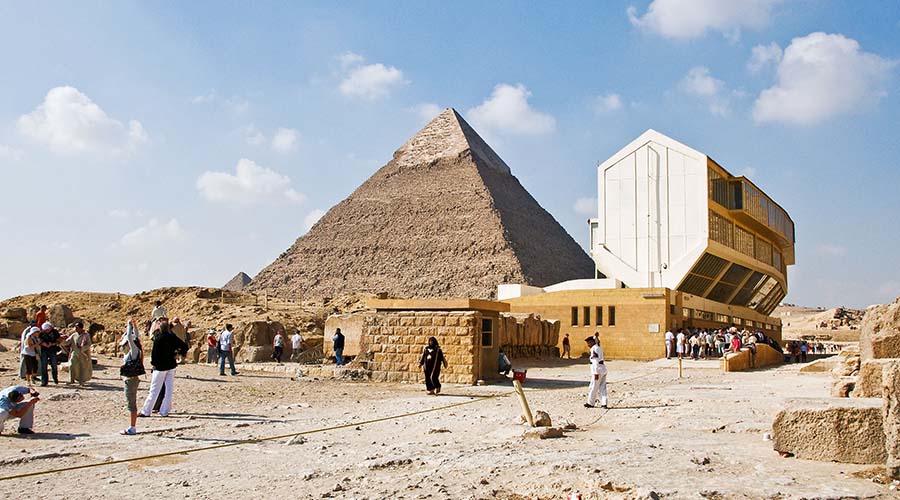
One of the excavated in 1954. It is now in the Solar boat museum. Exactly how big Giza Plateau is may never known. Excavations have continued to find new tombs and artifacts. Bezoni, Caviglia, Perring and Vyse began the first systematic study of Giza Plateau. It was in the early 1800s. The plateau explored and excavated more thoroughly than any other site in Egypt. It is more than any other site in the world. Throughout the Old Kingdom, the cemetery of Giza Plateau remained the most prominent. It is even when the kings moved again to Southern Sakkara. Architects of the ‘Inti family’ continued to live in the pyramid town of Khufu. The had their family tombs at Giza plateau. Inti family constructed the pyramids of the 5th and 6th Dynasties.

More details about Giza Plateau Cairo Egypt:

In fact, the pyramid town of Khufu and the cemetery of Giza both abandoned. It was during the First Intermediate Period. Moreover, they remained so during the Middle Kingdom. The pyramids opened and plundered. The private tombs not ignored by thieves either. Furthermore, the causeways and temples used as quarries by the architects of the kings of the 12th Dynasty. This all changed completely during the New Kingdom. The kings of the 18th Dynasty showed deep respect for the pyramids. Giza plateau gained considerable religious significance. It was as the center of royal worship to the Great Sphinx. Moreover, princes and kings of the 18th and 19th Dynasties erected stelae between the paws of the Sphinx.

It no longer seen as a royal statue. In fact, it seen as an image of the sun god Harmachis. Amenhotep II dedicated a small temple to Harcachis to the northeast of the Sphinx. On foundation tables of that temple, the Sphinx also named Harmachis-Hauron. Hauron was the name of a Syrian-Palestinian god of the netherworld. A community of Syrian-Palestinians living near the Great Sphinx identified with his image. Ramesses II installed a sanctuary within the forepaws of the Sphinx. In the Late period, Osiris became the dominant god of Giza Plateau. He took over the cult locations of Rostau from Sokar. He installed his cult in the Sphinx. Massive pedestals added to the body of the Sphinx. They are on which chapels of Osiris and Isis stood. Isis became known as the “Lady of the Pyramids”.

Further details about Giza Plateau Cairo Egypt:

During the Sixth century BC onward, Greek travelers admired the pyramids at Giza Plateau. They placed monuments in the list of the Seven Wonders of the Ancient World. After the Pharonic Period, stones from the monuments taken. They used to build buildings in nearby Cairo. First, the polished white limestone “casing” taken. And then the softer core stones taken. Many of Cairo’s oldest buildings built partly from stones from the pyramids. This destruction continued well into the Nineteenth Century. It was until preservation efforts and a resurgence of national pride put a stop to it. The pyramids not vandalized. They would still remain to this day much as they were when they built. As the saying goes, “Man fears Time, but Time fears the Pyramids”.
Nearby attractions Information, tours and Online Booking

More of Ancient Egypt

More of Egypt attractions

MORE
Giza Camel Ride Egypt

Giza Camel Ride Egypt

  • Giza Camel Ride Egypt
  • Giza Camel Ride Egypt
  • Giza Camel Ride Egypt
  • Giza Camel Ride Egypt
  • Giza Camel Ride Egypt
  • Giza Camel Ride Egypt
  • Giza Camel Ride Egypt
  • Giza Camel Ride Egypt

Giza Camel Ride Cairo Egypt tours, prices, booking, reviews

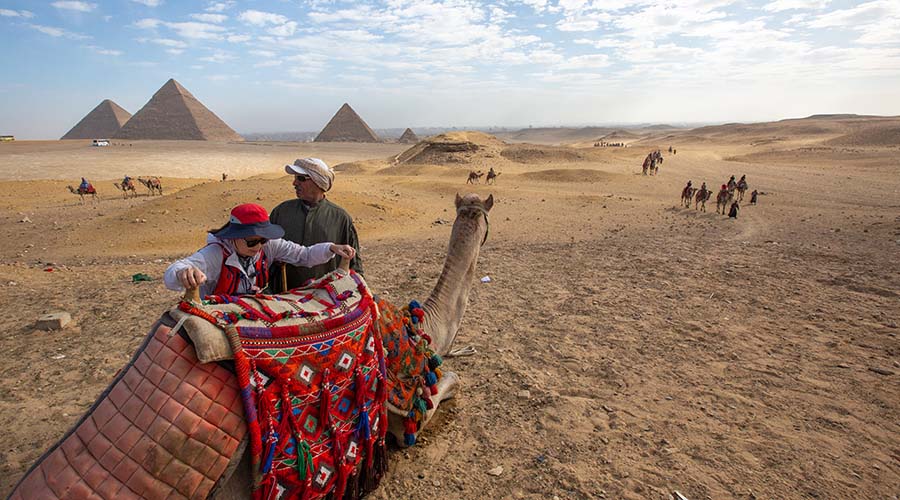
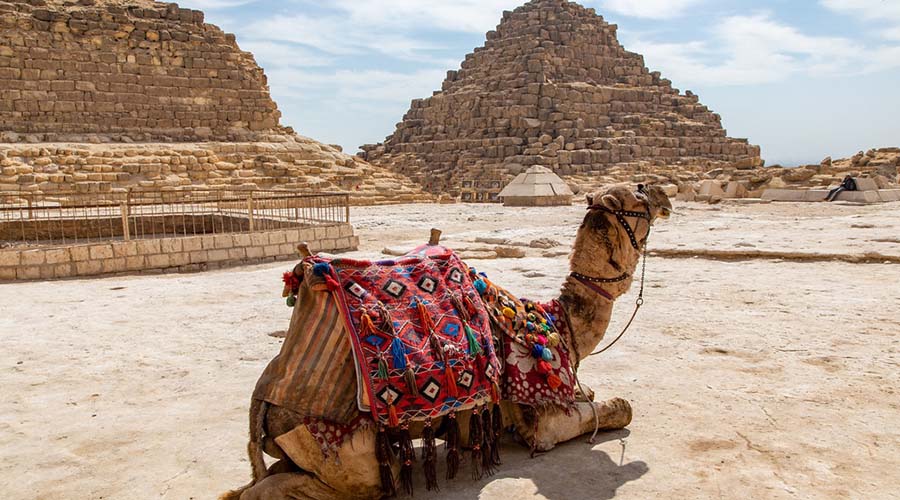
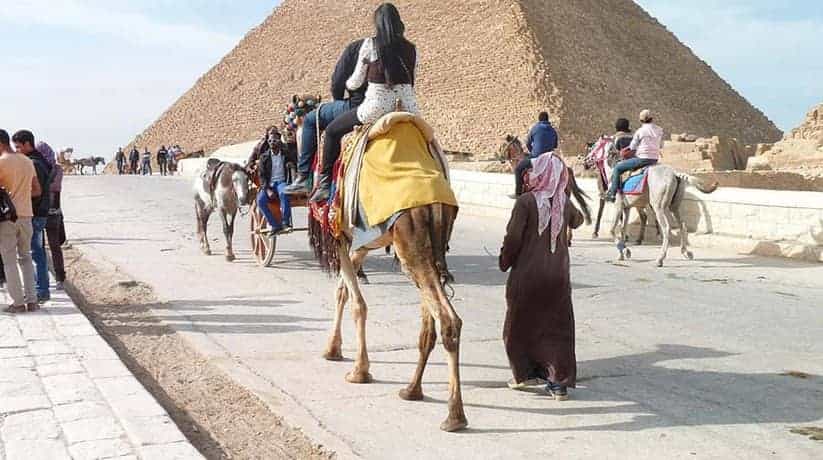
Giza Camel ride is a must-do for every first-time Egypt traveler. In fact, many people who visit Giza Plateau choose to go on a camel ride around the Pyramids. Yet a better idea is to explore the desert behind the Pyramids on the back of camel or horse. Moreover, you can do Giza camel ride tour before sunset to enjoy a magnificent view of the Pyramids. You will also enjoy the mystical and melodious Call to Prayer rising from hundreds of Mosques at the same time. It is also amazing to do the tour before sunrise. It takes about 2 hours around Pyramids are and the Great Sphinx. This area called Giza Plateau.

In fact, Giza Plateau located in Giza, Egypt. The famous Giza Necropolis located in this geographical area. Moreover, it characterized by a sandy, desert climate and terrain with little vegetation. Khufu became the king of Egypt after the death of his father Sneferu. Furthermore, there was no convenient space remaining for Khufu’s own pyramid complex at Dahshur. It is where Sneferu buried. Khufu moved his court and residence farther north. It is where his prospectors located a commanding rock cliff. In fact, Giza Plateau located only a few kilometers south of Cairo. Moreover, it is several hundred meters from the last houses in the southernmost part of the city proper. Giza Plateau is where a limestone cliff rises from the other side of a sandy desert plateau. The ancient Egyptians called this place Imentet or kher neter.

Further details about Giza Camel Ride tour:

In fact, Giza plateau is a part of the Middle Eocene Mokattam Formation. This is according to a treatise on the geology of Giza plateau. Moreover, it dips southeast, comprising limestone and dolomite. To the south are the Mokattam and dolomite limestone. They are overlain by the limestone and sandy marl of the Upper Eocene Maadi Formation. To the north and east is the Mokattam Formation. It characterized by two steep escarpments about 30 meters (92 feet) high. Moreover, it continues to the Great Sphinx ditch. It must at one time formed a high peak. From there, the stonemasons cut the core blocks for the Great Pyramid. The older pyramids of the third and early fourth dynasty built on thick layers of marl and slate. These marl layers were easier to dig than limestone.

But before going on a Giza Camel ride tour always agree on the price first. Only give a tip if you want to!

Nearby attractions Information, tours and Online Booking

More of Egypt Deserts and Oases

More of Egypt attractions

MORE
Gezira Sporting Club Cairo

Gezira Sporting Club Cairo

  • Gezira Sporting Club Cairo
  • Gezira Sporting Club Cairo
  • Gezira Sporting Club Cairo
  • Gezira Sporting Club Cairo
  • Gezira Sporting Club Cairo
  • Gezira Sporting Club Cairo

Gezira Sporting Club Cairo Egypt tours, prices, booking

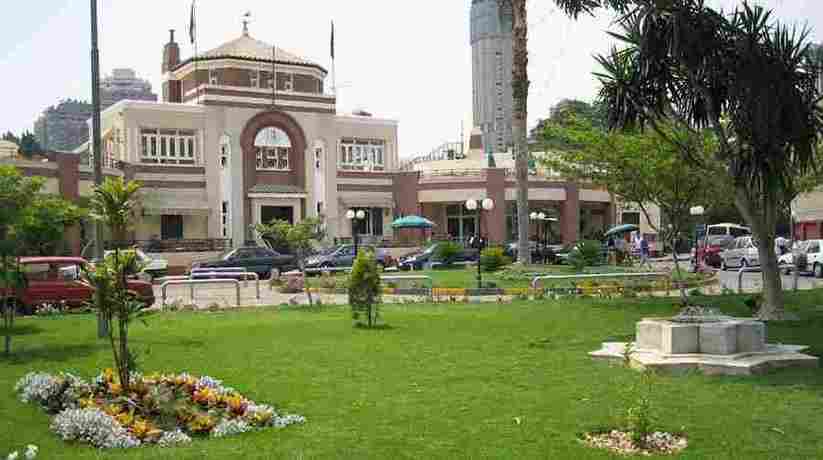
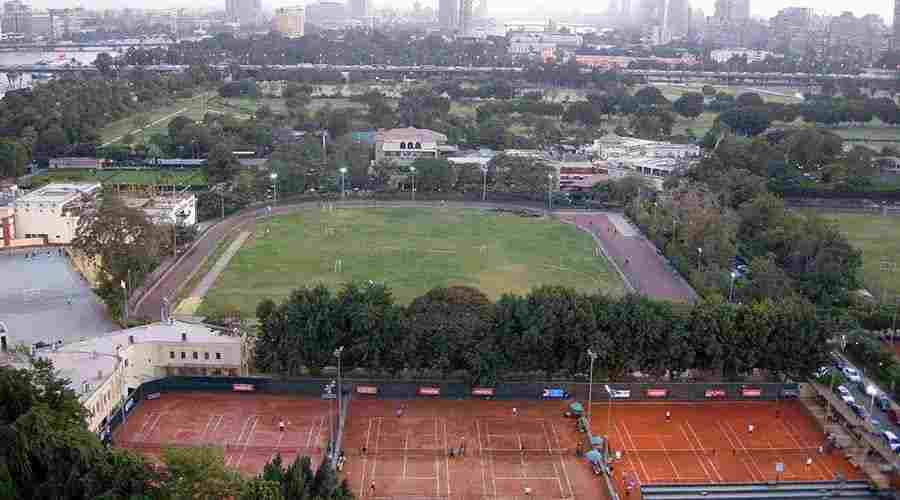
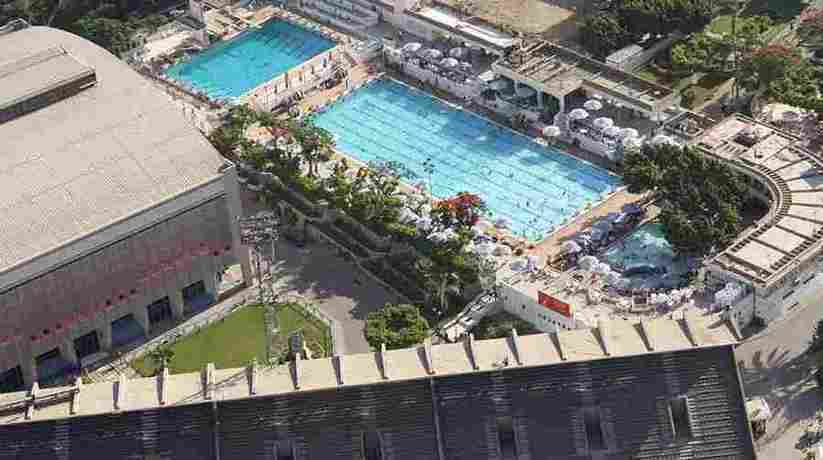
Gezira Sporting Club Cairo is the largest multi sport facility in Egypt. In fact, it founded in 1882 and called Khedivial Sporting Club. It located on the island of Zamalek in Cairo. Moreover, it is near to Cairo Tower and Opera House. In fact, the 150 acre grounds of it carved out of the Khedivial Botanical Gardens. That is why acacias and gardens decorated the area. After the land leased to the British military command, club rules licensed. In fact, the land divided into several recreational playing grounds. At first, the club was for the exclusive use of the British Army. In 1906, the club members asked the Egyptian government for ownership. In fact, their request refused. Instead, they granted a 60 year lease. The exclusive character of the club continued until after World War II.

In fact, in January 1952, Gezira Sporting Club nationalized and became a public club. Half of its eighteen hole Cairo course given over to a youth club. It built by the Egyptian government on the club premises and made it a nine hole course. The ethos and structure of the club further altered during the Nasser regime. Most members of the club were Egyptians. Thy were from society’s elite. In the early 1960, the Egyptian government once again took over the club’s premises. It took half of it to make room for a public club called El Ahly Club. That was to promote sports among all Egyptians. At that time, much of aristocratic nationalized for the benefit of the poorer majority. Gamal Abdel Nasser became beloved and popular among middle and lower classes of Egypt at that time.

Further details about Gezira Sporting Club Cairo:

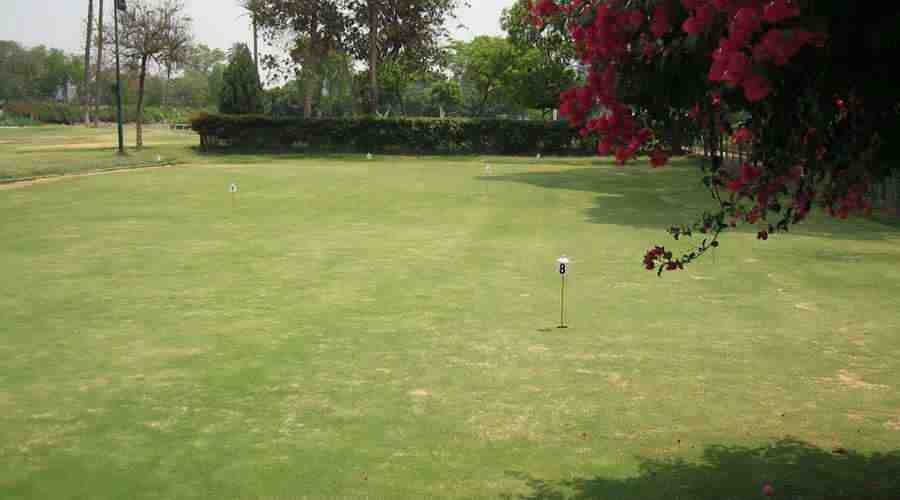
A new elevated highway built over the remaining nine hole Cairo course. The elevated highway is the 6th October Bridge. That was in Al Sadat era. Despite suffering vandalism, Gezira Sporting Club Cairo still offers most of the sports. It offers tennis, squash, croquet, horse riding and cricket. The sporting club started as a British military club. It now evolved into one of Egypt’s greatest outdoor attractions. Gezira Sporting Club remained both a landmark and one of Cairo’s greatest assets. Moreover, it is over five decades. Gezira Sporting Club golf course features 18 holes. It played on 9 fairways. Furthermore, it also feature Par 70, 5,860 yards, rating 68 and three tees. The facilities are Pro Shop, caddies, trolleys, driving range and club rental.

Nearby attractions Information, tours and Online Booking

More of Egypt Fun & Leisure

More of Egypt attractions

MORE
Gayer Anderson Museum Cairo

Gayer Anderson Museum Cairo

  • Gayer Anderson Museum Cairo
  • Gayer Anderson Museum Cairo
  • Gayer Anderson Museum Cairo
  • Gayer Anderson Museum Cairo
  • Gayer Anderson Museum Cairo
  • Gayer Anderson Museum Cairo

Gayer Anderson Museum Cairo Egypt tours, prices, booking

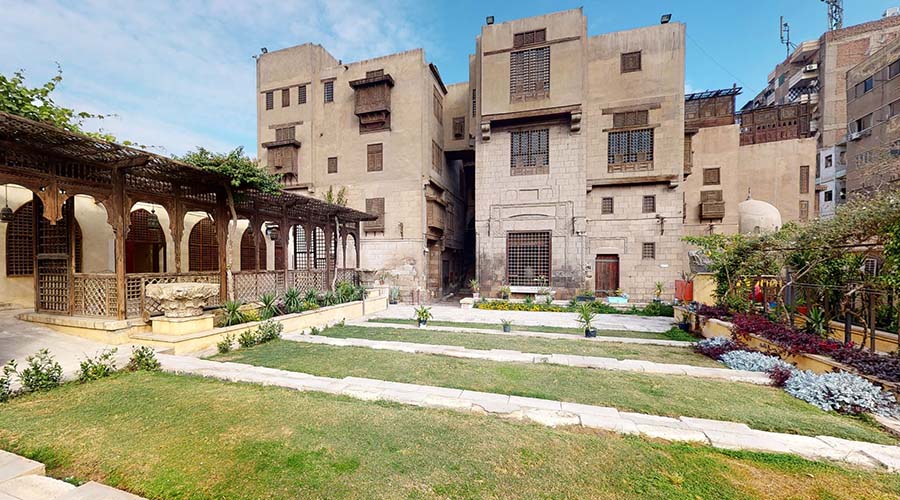
Gayer Anderson Museum Cairo also called Beit El Kertlia. In fact, the museum built in Cairo in 1631 by one of the wealthy men. He used it to live in the Egyptian capital. His name is Mohamed Ibn Hah Salem Ibn Gelmam. In fact, the museum indeed is one of the most marvelous historical structures in Egypt. Many of rich families lived in Gayer Anderson museum Cairo. They were one after another. It was until a lady from Crete Island bought the house to live in it. It was why the house named El Kertlia house or the house of people from Crete. In fact, the museum attached to the Eastern section of Ibn Tulun mosque. Moreover, the museum consists of two historical houses. They facing each other. They both constructed in the Ottoman period.

The first house, Kertlia house, constructed in 1631. The other one built by Abdel Kader El Haddad in 1540. The two houses connected together with a passageway. Egyptian authorities have granted Gayer Anderson the two houses as a house to live in. It was in 1935. Gayer Anderson was a British officer. He collected a large selection of furniture, carpets and many other eastern objects. He also collected many Egyptian handcrafts. In 1942, Gayer Anderson had to leave Egypt because of his illness. The Egyptian government allowed the people to visit the house and view his collection. It was before the whole complex transformed to a museum.

Further details about Gayer Anderson Museum Cairo:

The museum Complex host a Sabil. It offers fresh water to the public. This feature is difficult to find among historical houses in Egypt. Sabil is a religious structure which is in a mosque or a mausoleum. It is to provide people with their needs of water. Finding a Sabil within a residential house is rare in the Islamic architecture. The Sabil of the Gayer Anderson museum located in the right hand side section of the ground floor. It is with a window, opens on the street. It is from which the servant working in the Sabil used to give the water to the people. The room of the Sabil made out of stones. The ceiling contains some remarkable geometric decorations with bright colors.

The Sahn or the open courtyard of the museum has a semi irregular shape. It is with a white marble fountain in the middle. In fact, the Sahn is the heart of the house with all the floors. Moreover, the sections of the house open at the Sahn. They don’t open towards the exterior of the house. This architectural design of Gayer Anderson museum Cairo was common for many reasons. The first is to provide a sense of privacy especially to the ladies of the house. The second is to protect the house against dust and dirt making the air inside the house cleaner and fresher.

More details about Gayer Anderson Museum Cairo:

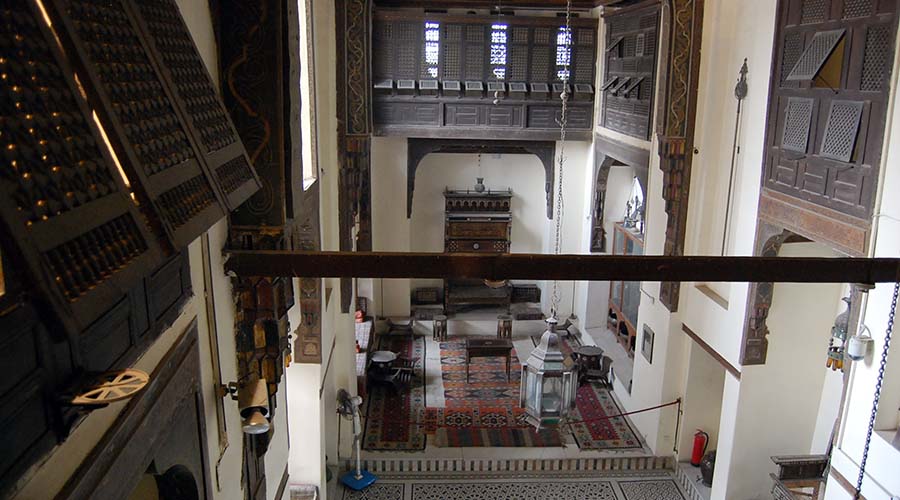
All over the surface area of the Sahn, there are many pots that take the shape of barrels. They based upon white marble basins. It is where the water coming from the fountain to provide fresh water for the people living in the house. Moreover, the museum has rooms and halls to storage grains and foods. They are on the ground floor. At the back of the Shan, there is a horse stable. It hosts only a few horses. The staircase which leads to the second floor of Gayer Anderson museum is in the horse stable. The most dominating feature of the second floor is what called the Maqa’ad. In fact, it is a wide space overlooking the Sahn of the house. The word “Maqa’ad” means the sitting area. It was where the people who lived in the house used to sit, especially men.

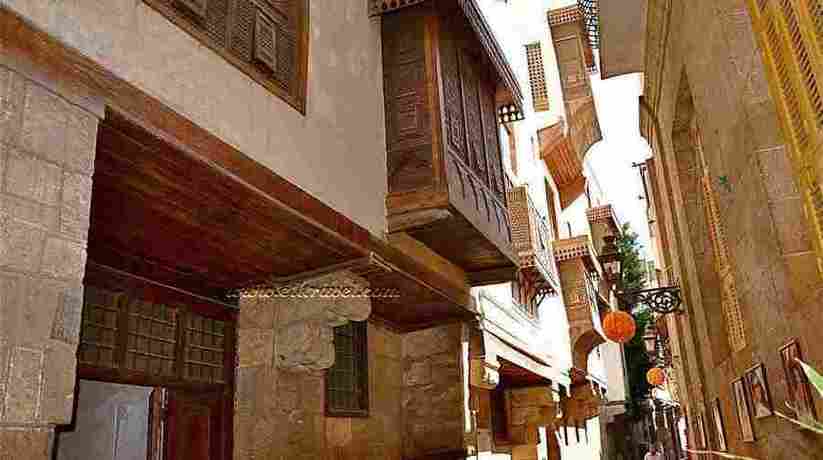
Moreover, the ceiling of the Maqa’ad is rather remarkable. It is with many marvelous plants and geometric golden decorations. Furthermore, there are also some shelves which decorated all around the Maqa’ad. In fact, this was where Anderson used to keep his glass items collection which he was fond of. Many of the architectural features of Gayer Anderson museum Cairo can viewed from the Maqa’ad. It is including the decorated walls of the house that are distinctive with their white and red colors. The marvelous Mashrabeya screens of the museum overlooks the Sahn. It can also admired from the Maqa’ad.

Further details about Gayer Anderson Museum Cairo:

The other section of the second floor of the museum is the Salamlek. In fact, it is the hall where the men used to meet. The hall divided into three sections. It is the same as many other historical houses which date back to the Mamluk and the Ottoman periods. Moreover, there are two galleries surrounding the main chamber of the hall. Each gallery has many created Mashrabeya screens. The hall has many colorful pillows and wonderful wooden ashtrays. They decorated with pearl and ivory. The displays in the Salamlek hall include a collection of pistols. They date back to the Ottoman era with their distinctive accurate ornaments. There is also a collection of swords from different sizes and shapes.

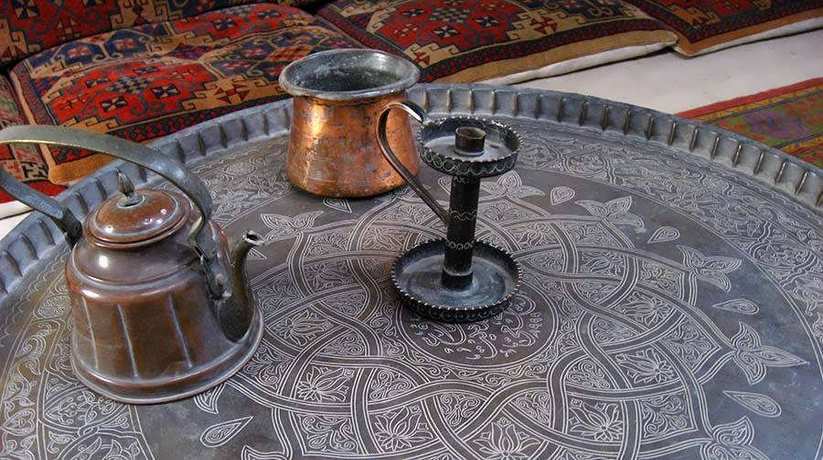
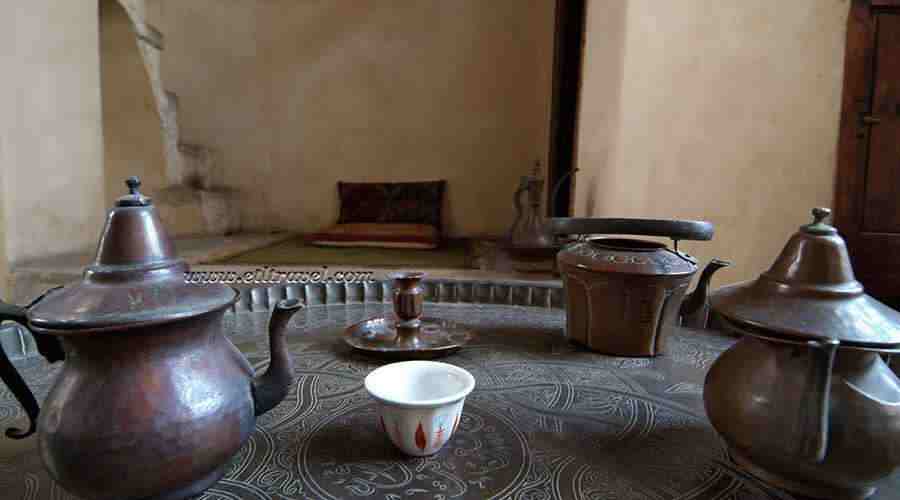
The sides of ceiling of the Salamlek hall have remarkable decorations. They are with geometrical patterns and Arabic calligraphy. They include many pieces of poetry and different phrases from famous literature works. The ceiling itself is rich with its dark brown wood geometrical patterns decorations. In the middle of the Salamlek hall there is a large copper tray. It dates back to the Ottoman period. It used by the owner of the house to offer his guests drinks and snacks. There is also a white marble shelve where they used to put the Kolla. Kolla is the traditional Egyptian pottery water container.

More details about Gayer Anderson Museum Cairo:

Large number of exhibits and antiques not present here during the days of Gayer Anderson. In fact, they put recently when the house modified to become a museum. The Gallery of the photographs and drawings host indeed a rare collection. It features fishing, love, celebration, chanting, wildlife, flowers and birds’ scenes. The portraits in this hall are quite notable for their special attention to details and sizes. Haramlek section is the section specified for the ladies of the house. This section featured with its beautiful Mashrabeya screens. They overlook almost every section of the house, the lanes and streets outside the house as well.

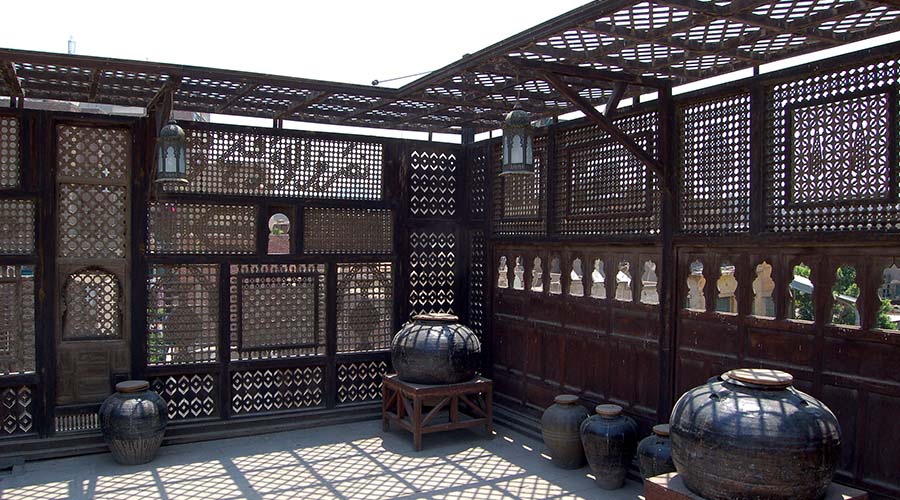
In fact, the Mashrabeya screens used by women to look over the streets. It not seen from outside. he Haramlek hall also feature many shelves and cupboards. They have wonderful colors that created in the Persian style. Moreover, the main staircase of Gayer Anderson museum leads to the roof. The roof used to function as a seating area for the women in the summer. There are many basins of water of different sizes which located in various locations in the roof for people. They used to wash their hands and faces in the summer.

Further details about Gayer Anderson Museum in Cairo:

The museum has Persian style bedroom of the owner of the house. The room has a magnificent bed decorated with ivory and pearl. There are also some candles holders and paintings. They make the room even more attractive to the eye. Gayer Anderson museum has Turkish hall. The hall has large chair which has a crown on top. In fact, it was a royal hall. Moreover, it also contains some pretty portraits of Mohamed Ali and Khedive Saied. Furthermore, there are many items which put on display in this room. They include large statue of Hatshepsut and a black statue of the ancient Egyptian cat god. They also include Bastet and many glassware and pottery.

The celebration hall of Gayer Anderson museum Cairo indeed is one of the most luxurious halls. The hall is around 15 square meters in surface area. It divided into two galleries. The first featured with its wonderful throne chair. It decorated with ivory and pearl. The middle section of this hall has a decorated white marble fountain. The floor of the hall ornamented with different light colors of marble. In fact, visiting the the museum recommended. It is for history and Islamic architecture fans. Most of the features of the museum remaining in a good condition. They make the visit to the museum an enjoyable experience. It is as if you travel in time to the period of the Ottomans.

Nearby attractions Information, tours and Online Booking

More of Islamic Egypt

More of Egypt attractions

MORE
Gawhar Al Lala mosque Cairo

Gawhar Al Lala mosque

  • Gawhar Al Lala mosque Cairo
  • Gawhar Al Lala mosque Cairo
  • Gawhar Al Lala mosque Cairo
  • Gawhar Al Lala mosque Cairo
  • Gawhar Al Lala mosque Cairo
  • Gawhar Al Lala mosque Cairo

Gawhar Al Lala mosque Cairo Egypt tours, booking, prices

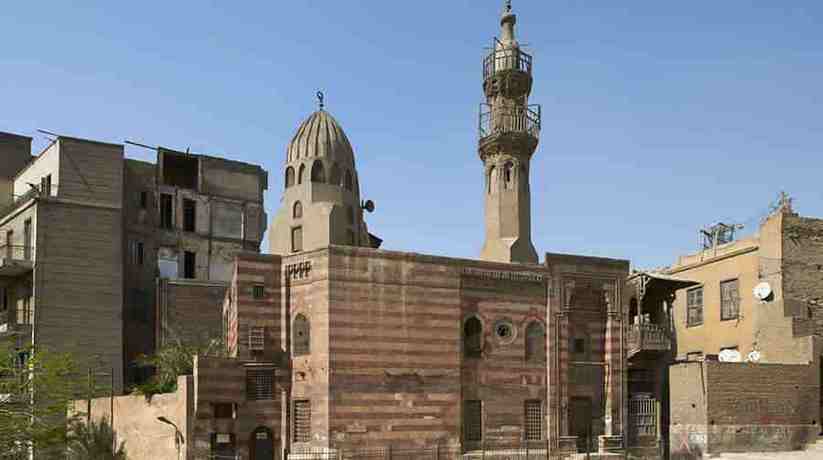
Gawhar Al Lala mosque Cairo indeed has a unique location. It gives its vicinity to The Citadel. Moreover, its construction is on a high hill. In fact, the mosque has a panoramic view of the Citadel square. It also has a panoramic view of Sultan Hassan mosque and Al Rifai Mosque. Gawhar Al Lala mosque reached through a stepped passageway. It has a spacious terrace in front where one can get a high glimpse of the Citadel Square. Furthermore, the mosque can reached from the Citadel Square through a stepped street behind Al Rifai Mosque. The mosque lies quite close to Qanibay Amir Akhur mosque. It built in 1430 AC and considered small at only 2,000 square feet. This 15th century Mamluk mosque built by Amir Gawhar Al Lala. He was a civil servant in the palace of Sultan Barsbay.

Al Lala was a title which given to the post of the private tutors of the sons of a Sultan. During Mamluk era, the wall over the Citadel square embellished with dazzling palaces. Mosques reflecting the grandeur and commemorating the lives of the Sultans. Citadel Square is one of the oldest squares in modern Cairo. During the Ayyubid rule, it became the city center of gravity. It was where the leaders of Egypt ruled the country. During the Mamluk era, construction continued within the Citadel walls. It also was around the square with the houses of Sultan Baybars amirs and successors. The horse and armorers markets or Suqs also moved to this area in the vicinity of Sultan Hassan mosque.

Further details abou Gawhar Al Lala mosque Cairo:

Around Cairo Citadel, many religious buildings also erected and included Gawhar Al Lala mosque. In fact, the mosque was a freed slave. He was in service to the son of Barsbay who succeeded his father for three months. Gawhar honored by the prince. He fell from his high ranks and thrown in prison where he died as a result of an epileptic fit. Moreover, he known for his kind heart and his good deeds. He much appreciated by many of his students. It was even during the times of his imprisonment. The mosque planned like the lines of the cruciform madrasas. It was popular at the time of the Circassian Mamluks in the 9th till 15th century. It has decorative features and elements of the mid-Mamluk period.

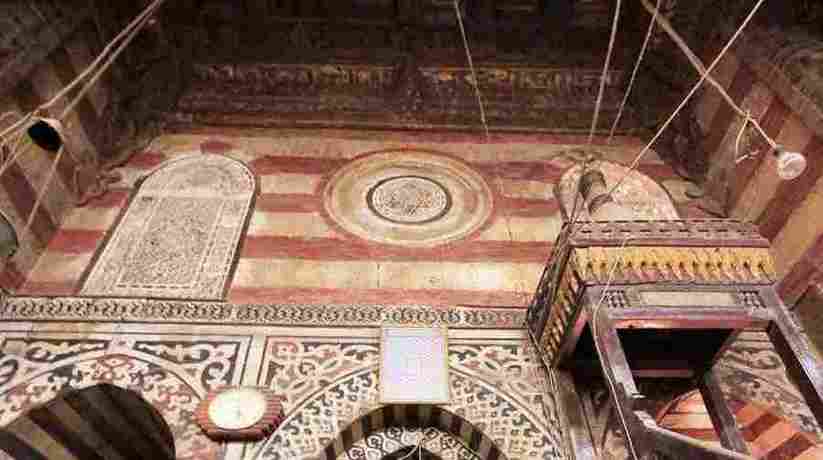
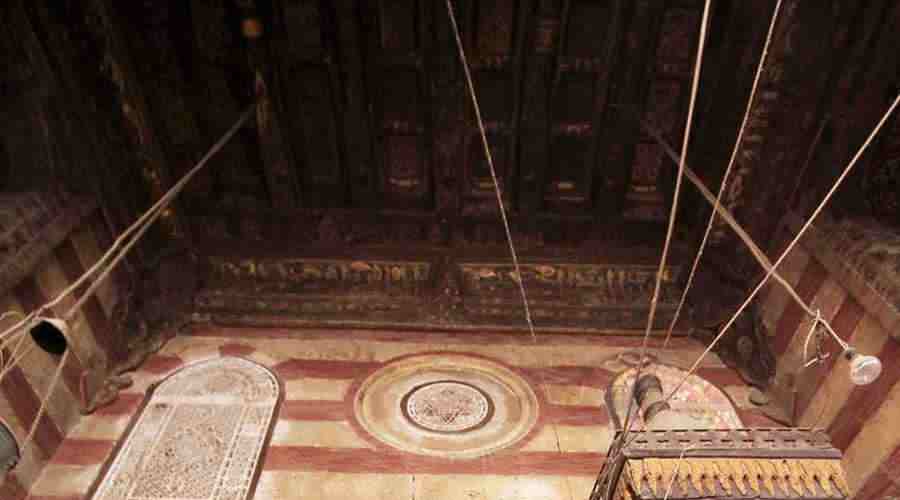
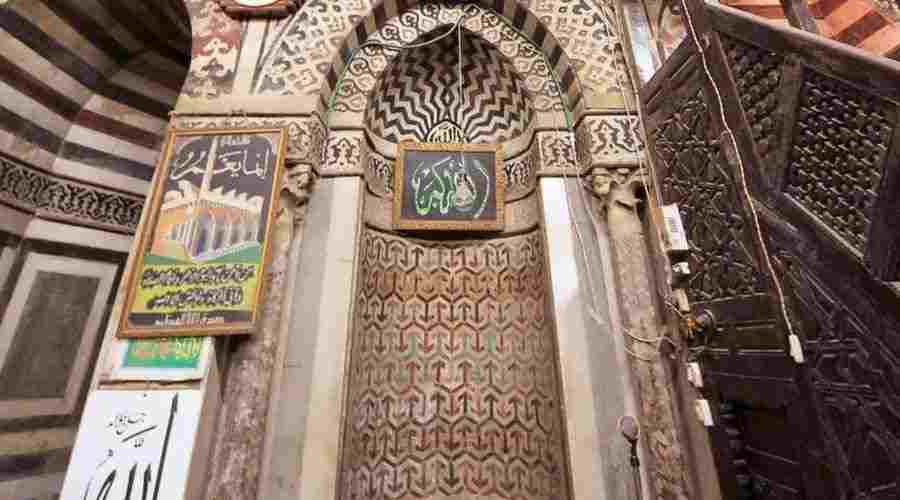
The main entrance of Gawhar Al Lala mosque Cairo flanked by stone benches. It called Maksala and leads to a Derka. In fact, it is a rectangular hallway, from which a bent passageway. It takes one through a secondary door leading to the Sahn or covered courtyard of the mosque. The wooden ceiling of the passageway decorated with fine paintings. The Sahn of the mosque decorated with colored marble and with attractive marble panels on the floors. It adorned by a decorated yet a bit faded wooden lantern. The mosque has two side Iwans and two main Iwans. The largest being that of the Qibla. It paneled in slabs of cool marble and soft colors. The Minbar, or pulpit, might seem different from other Minbars of this period.

More details about the mosque of Gawhar Al Lala Cairo:

The inlay polygonal inserts are missing and have replaced with plain forms. These alterations date back to the time of its restoration. The restoration made by the French Comite in the 1980s. There is a building next to Gawhar Al Lala mosque. This building has a sabil-kuttab and a mausoleum. Gawhar Al Lala buried in this mausoleum. There are also quarters. They used as storerooms and lodgings for the students and civil servants. The main entrance in the center of the southwest facade overlooks Darb Al Labbana Street. The sabil with its wall built of wood. It located in the southern section of the structure. It is of a type of Sabil that has corner columns. The kuttab located above the Sabil. A carved wooden Mashrabeyya surrounds the balcony of the kuttab.

The minaret of Gawhar Al Lala rises above the Sabil facade. It built in the Knob style and called Al Qulla style. Moreover, it is with a single balcony. The mausoleum dome, where the tomb of Al Gawhar found, situated on the western corner. The fine old door leads to the mausoleum through the mosque. It made of wood. It distinguished by an overlay of fine and detailed copper decoration. Today, there is a gallery in the northwest Iwan. It has draped so that women may pray there. Gawhar Al Lala mosque Cairo still in use and frequented by many visitors. A caretaker will show one around the mosque and mausoleum. The ablution area that stands today is a recent addition. No sign of the old ablution area remains.

Nearby attractions Information, tours and Online Booking

More of Islamic Egypt

More of Egypt attractions

MORE
El Seheimy House Cairo

El Seheimy House Cairo

  • El Seheimy House Cairo
  • El Seheimy House Cairo
  • El Seheimy House Cairo
  • El Seheimy House Cairo
  • El Seheimy House Cairo
  • El Seheimy House Cairo

El Seheimy House Cairo Egypt tours, booking, prices, reviews

El Seheimy house Cairo built by Abdel Wahab El Tablawy in 1648. The house purchased in 1796 by Sheikh Ahmed Al Suhaimi. He extended it by integrating several of the adjacent houses. Nowadays the house is the best example of a rich private house. It is especially after its restoration process. The house demonstrates a lot of arts in this period. The period and how people used to live in the Ottoman period. El Seheimy house Cairo is the first building on the left hand side of Darb El Asafar. In fact, Darb El Asafar is a narrow corridor in Fatimid, Cairo. From the outside, the building seems to be in a good state. The house restored in 1997. It was under the auspices of the Arab Fund for Economic Development.

Many mashrabeya windows, which can seen from outside the house. Once you enter El Seheimy house Cairo you are inside the sahn of the house. The Sahn is an interior open space in the middle of the house courtyard. It is usually a rectangular or square shape. It used to gain fresh air in the house. In the morning some simple activities once took place in the sahn. In the middle of this open hall, there is a small and healthy garden full of small trees and palms. The house built around this area and many brown mashrabeya windows can be seen all around it. At the end of this hall, there is a place for sitting beside some windows. It is where residents of the house would relax in the summer.

Further details about Beit El Seheimy in Cairo:

After entering the doorway of El Seheimy house Cairo, you will find many rooms with huge wooden doors. They used for servants to stay in and cook or do anything needed in the house. One of the rooms to the left had a fascinating mashrabeya screen with small windows. This is to enable the people inside the room to view the Sahn. At the end of this corridor there is the first guest room or salamlek. It used by El Seheimy to welcome his male guests. To the right, there is a sitting area with a small Mashrabeya screen. This hall is a good example of the salamlek, or public place, as opposed to the haremlek. Most of the Salamlek area is on the ground floor. The haremlek is on the upper floor.

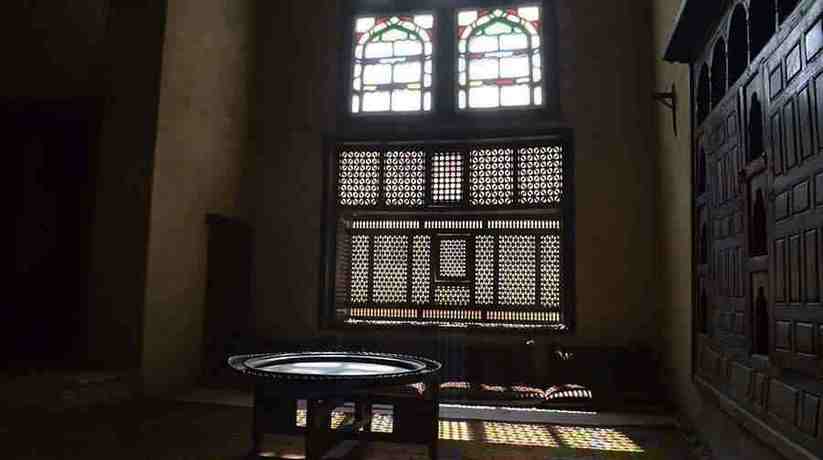
In the Islamic culture, house were “Sakan”. This word derived from “Sekoon” which means quietness and privacy. This notion well respected during the archaic Islamic period. The next hall is the summer salamlek guest room. It built at the end of the corridor and overlooks the street. This is to enjoy the cool air during the summer. Most of the spaces in El Seheimy house Cairo are not designed functionality. They designed but basing on climatic considerations. This hall has one of the most remarkable mashrabeya screens in the house. It overlooks on the street. It is a big screen with three different decorative shapes and stained glass at the top of the screen. People would sit on the pillows on the floor and chat in the summer.

More details about El Seheimy House Cairo:

There are also the wooden brown cupboards all around just like the first guest room. In the second floor of the house, you will find some balconies. One significant aspect of thess balconies is the Islamic decorations on the walls. There are many Qur’an verses around the balconies which written in a gold color with a brown background. The balcony is also a wonderful place to view the mashrabeya windows of El Seheimy house Cairo. It is from outside, and view the open air hall. In fact, the maq’ad of the house is a rectangular or square room . It is where the owner of the house would sit with his family, sons, daughters and close friends. This more private space is like any other section of the house.

The room is full of brown cupboards and another amazing mashrabeya screen. It has also tables in the middle and sofas all around. Al Suhaimi House is famous for it’s many halls, especially the haremlek. This hall has high and pretty decorated ceiling. It allows the warmer air to rise. And then to be swept away by the north facing maq’ad (wind scoops) in the upper walls. It catches the prevailing breezes and circulated the cool air throughout the house. There is also the charming wooden carved dome of the hall. The ceilings of these houses are usually interesting. It makes the ceilings we live in these days seem boring and depressing. The ceilings in the past were works of art.

Further details about the house of El Seheimy Cairo:

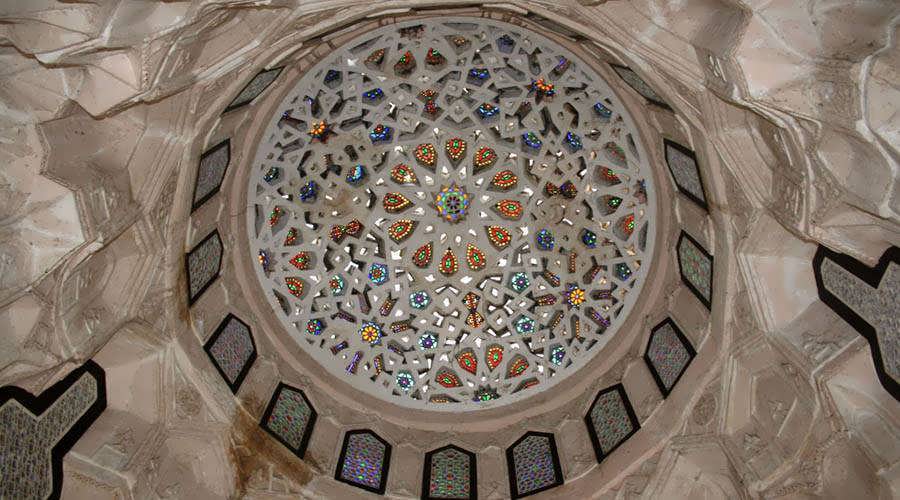
The bathroom section is the most interesting place in El Seheimy house Cairo. It divided into three sections. The first section is the cold water section. It is a small room with a wooden cupboard inside. It is where they used to keep the cold water in a huge container. This room has no ceiling so that the gold wind could come and cool down the water in the cupboard. The second section of the bathroom is the massage section. It is also a small room with only a big wooden bed to the right. Moreover, it has the most amazing ceiling you will ever see. It has star shaped openings in it which covered with blue, orange, and white glass. The sun light enters the room through these openings. When enters, it looks like the stars in the sky on a clear night.

You can see massage halls in five stars hotels and in health clubs all over Egypt. But nothing like this room. Having a massage in this room while looking at the sky would be like gazing into heaven. The third section of the bathroom is the hot water section. It has the same amazing ceiling as the massage room. In the middle, there is a water tap. Moreover, to the right there is a big container that used for keeping hot water. There is also a cupboard behind the tap that used to keep the bathing items. They used to let the hot water fall on the floor. The three small openings in the wall enabled the water flow out of the room.

More details about the house of El Seheimy Cairo:

There is also a toilet section, which is like most of the “local” toilets. We still have in some places in Egypt. It is just a small hall in the ground. In fact, it takes the waste into pipes and out of El Seheimy house. Another interesting section in the house which is the main rest and sleeping room of El Seheimy and his wife. Some people call this room the blue hall because of its many blue decorations. On the right hand side, there is a sitting area with pillows. Besides the many mashrabeya screens spread around the room. The room ornamented with the most elegant blue tiles on the walls. This room suited to a king, with all its the marvelous decorations.

Even the mashrabeya screens in This room, in particular, was for women. No men, other than sons and the father, allowed inside. In the middle, there is a table which used for drinking coffee. The coffee jar and mugs are still there. There are also a lot of blue and decorated plates in the room. They are atop the many brown wooden cupboards that once again fill this room. There are also some plates which actually used for food and not just decoration. The ceiling designed in a Persian style, which makes it look as though there are steps above one’s head. It is like the sleeping room in the Gayer Anderson Museum.

Further details about the house of El Seheimy Cairo:

There are many old lanterns in the room, hanging from the high ceiling. One of them is unique, looking like a tower of lights. There is also a small room that one may enter from the main bedroom of El Seheimy house. This room only contains two strange objects. There is an interesting myth. If a woman wants to become pregnant, she would circle these two objects seven times. And then God will send her a baby. It indeed is a strange concept. In fact,  Egypt in the 17th century had a lot of strange myths and legends.

Nearby attractions Information, tours and Online Booking

More of Islamic Egypt

More of Egypt attractions

MORE
Fishing in Lake Nasser Egypt

Fishing in Lake Nasser Egypt

  • Fishing in Lake Nasser Egypt
  • Fishing in Lake Nasser Egypt
  • Fishing in Lake Nasser Egypt
  • Fishing in Lake Nasser Egypt
  • Fishing in Lake Nasser Egypt
  • Fishing in Lake Nasser Egypt

Fishing in Lake Nasser Egypt tours, booking, prices, reviews

Fishing in Lake Nasser Egypt indeed is amazing adventure. If you want to catch the biggest freshwater fish in your life, then go to lake Nasser. In fact, Lake Nasser is the world’s largest lake which made by a man. Moreover, it also known as the best freshwater fishing in the world. It is for both Tiger Fish and Nile Perch. The Nile Perch has a better chance of reaching record sizes in lakes. It is rather than in river systems. Most anglers at Lake Nasser manage to catch Perch which weighs between 50 to 200 lbs. The fishing in Lake Nasser will let you get the astonishing Moon-fish and two species of Tilapia. It also does for several species of Catfish. In fact, the legendary giant Vundu is the biggest.

Further details about the Fishing in Lake Nasser Egypt:

Lake Nasser give you the chance to choose from thirty two different fish species. Moreover, it will give you the chance to fish crocodiles. Look out for these amazing creatures. Fishing safari can include trolling, spinning, drift casting or fly fishing. And you can do as much or as little fishing as you want. The fishing in Lake Nasser is the closest you can come to the true meaning of Safari. It is just a few hours of leaving the Aswan High Dam. Make your way up Lake Nasser. You will be out the reach of electricity and mobile phone networks. In fact, you will also be in an incredible and real wilderness. It is with Aswan Bird Watching as the only alternative to meditation and Fishing.

Nearby attractions Information, tours and Online Booking

More of Egypt Water Activities

More of Egypt attractions

MORE
Hilton Luxor Resort Spa

Hilton Luxor Resort Spa

  • Hilton Luxor Resort Spa
  • Hilton Luxor Resort Spa
  • Hilton Luxor Resort Spa
  • Hilton Luxor Resort Spa
  • Hilton Luxor Resort Spa
  • Hilton Luxor Resort Spa

Hilton Luxor Resort Spa Egypt tours, prices, booking, reviews

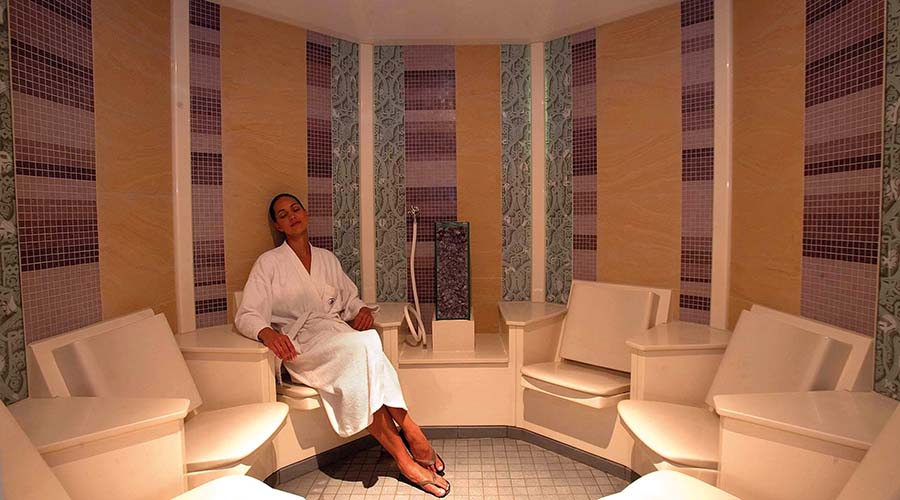
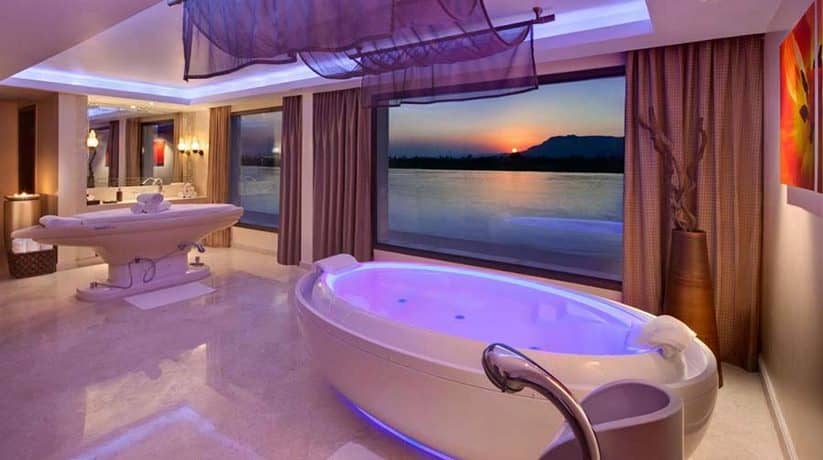
Hilton Luxor Resort Spa known as Nayara spa. In fact, the spa center located at Hilton hotel in Luxor, Egypt. It lets you treated as if you are cone of the Ancient Egyptian kings or queens. Nayara Spa offers a wide range of beauty and relaxation treatments. Moreover, the spa features a relaxing steam bath. Moreover, it also features fitness room which offers unique views over the Valley of the Kings. The spa also features stunning infinity pool. Furthermore, the pool gives you the impression of flowing into the Nile. Hilton Luxor Resort indeed is a luxurious 5 stars hotel. Moreover, the hotel located only 4.7 km from city center.

Local tourist attractions such as Ramesseum and Valley of Queens are not far from the hotel. Room facilities include balcony, clock radio, coffee and tea maker. Moreover, they also feature direct dial phone, phone and voice mail. Iron and ironing boards supplied in the rooms. Other room amenities include blackout drapes, curtains, desk and mini bar. Extra towels and bedding items provided in the guest rooms. Bathroom amenities include bathrobes, complimentary toiletries, hair dryer, makeup / shaving mirror. Hilton Luxor Resort & Spa include cable television service, DVD player, LCD television and premium television channels. Moreover, the facilities also include full service health spa and spa tub.

Further details about Hilton Luxor Resort Spa:

After a business meetings or sightseeing, hotel guests can book a relaxing massage. Furthermore, the hotel also features coffee shop, concierge desk, dry cleaning and laundry service. Dining facilities at Hilton Luxor Resort include a restaurant and a cafeteria. The hotel boasts a 24 hour front desk service. A currency exchange facility also available. Public areas at Hilton Luxor Resort air-conditioned. Hotel guests will appreciate the welcoming services of the multilingual staff. Other hotel amenities include gift shop, newsstand and hair salon. The leisure amenities include an outdoor swimming pool. Guests can also enjoy spa and wellness facilities. The spa facilities include steam room and on site spa services

Nearby attractions Information, tours and Online Booking

More of Egypt Spa & Wellness

More of Egypt attractions

MORE
Hatshepsut Red Chapel Luxor

Hatshepsut Red Chapel Luxor

  • Hatshepsut Red Chapel Luxor
  • Hatshepsut Red Chapel Luxor
  • Hatshepsut Red Chapel Luxor
  • Hatshepsut Red Chapel Luxor
  • Hatshepsut Red Chapel Luxor

Hatshepsut Red Chapel Luxor Egypt tours, prices, booking

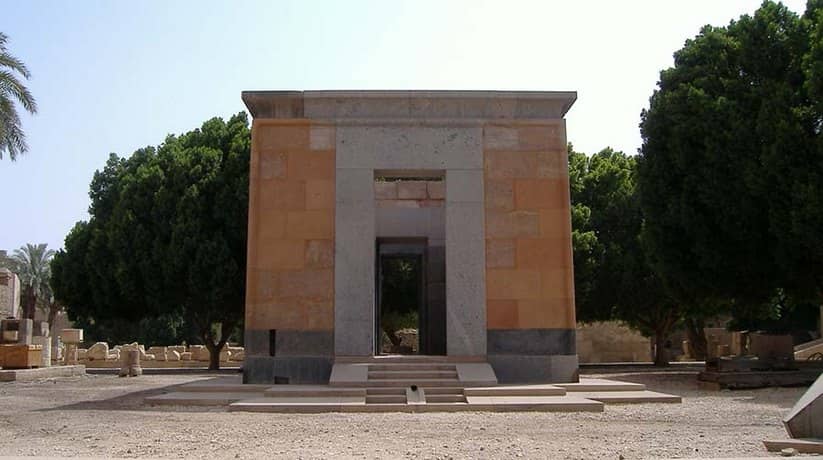
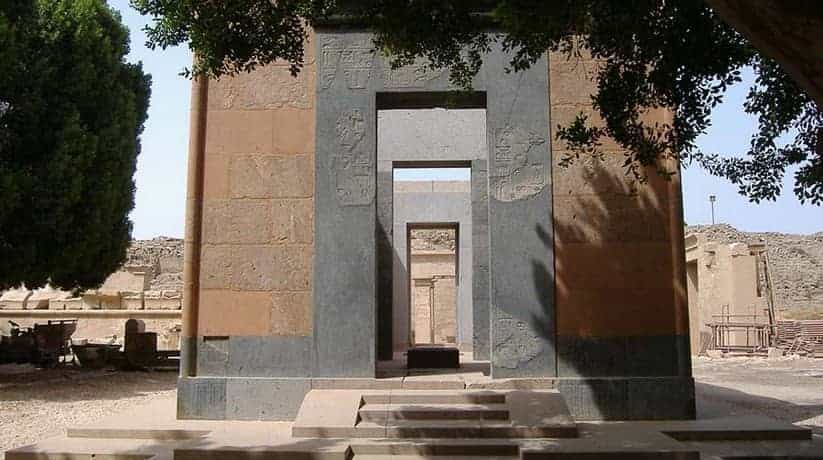
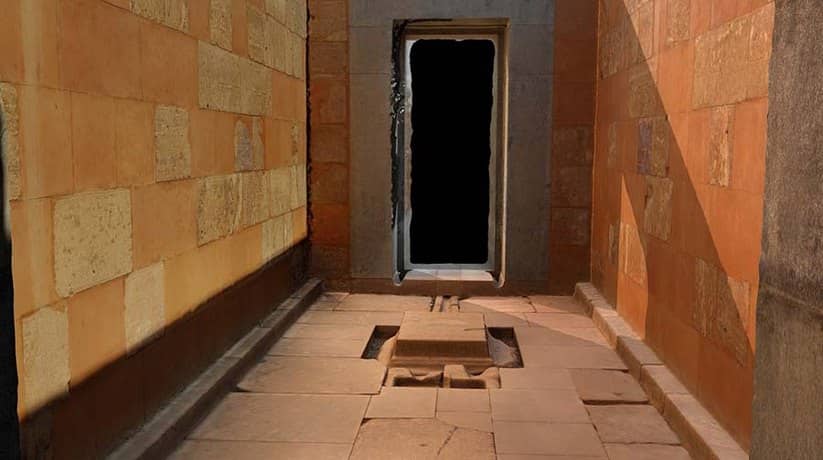
Hatshepsut Red Chapel Luxor was a barque shrine and the White Chapel of Senusret I. Furthermore, the chapel built with a base and doorways of black granite. It is also with walls of red quartzite, from the quarry which known as Gebel Ahmar or “Red Mountain”. Of course, the latter stone explains why the shrine known Hatshepsut Red Chapel Luxor (Chapelle Rouge). In fact, the natural color of the red quartzite varies. Therefor, the ancient craftsman painted all the block a uniform red color. It begun about four years before Hatshepsut’s death in about 1483 BC. Her nephew and successor Thutmose III maybe continued work on the chapel. But in fact, it never finished.

The white chapel of Senusret I is in the Open Air Museum at Karnak. The archaeologists rebuilt the White Chapel. It took many years to arrange the layout of the structure. The structure is like a big jigsaw puzzle on paper. In 2001, the Supreme Council of Antiquities decided to rebuild Hatshepsut Red Chapel Luxor. The process, like all our modern lives, happened much quicker. They fed the architectural elements of the building into a computer. The results are splendid. What really sets the small monuments, such as the White and Red Chapels, is their well preserved state. The Pharaoh, Amenhotep III decided to enlarge the temple at Karnak. It was by adding a new facade in the form of two entrance pylons. He pulled down many monuments which he no longer thought relevant.

Further details about Hatshepsut Red Chapel Luxor:

Moreover, he also put their stone sections in the core of the structure. This was the Third Pylon at Karnak. A large part of the massive Third Pylon of Amenhotep III at Karnak toppled over. It was at the end of the 19th century. In fact, it was because of an earthquake. Pierre Lacau was the director general of the Egyptian Antiquities Service. He ordered his director of works at Karnak, Henri Chevrier, to repair the structure. It was in 1924. Henri had to completely dismantle it to do so. In the process, he discovered some 951 blocks. The blocks belonged to a total of eleven different structures used as fill within the pylon. In fact, many of these blocks damaged. Moreover, their encasement in mortar in the pylon preserved their inscriptions and decorations.

Henri was also responsible for reconstructing the White Chapel of Senusret I many years ago. But the blocks from Hatshepsut Red Chapel Luxor remained dismantled until the 21st century. The blocks, numbering about 315, studied to work out their original order. In fact, it was not an easy process. Unusually, most of the blocks contained a complete scene. Thus, they do not overlap on to adjacent blocks. In fact, they never overlap on the horizontal joints. Some researchers believe that, this indeed the first “prefabricated” building in history. It is also with its decorations complete before the building’s erection. The belief of researchers was due to the way in which these decorations occur.

More details about The Red Chapel of Hatshepsut Luxor:

This of course made it difficult to identify the sequence of blocks within the structure. Also, about half the blocks were missing (some 40 to 45 percent). So modern blocks of stone cut from the same material as the original required. In some instances, modern brick also incorporated. It then plastered over and painted to match the original colors. To assemble the building, a study of the notches and dovetails in the blocks studied. This work resulted in a large structure. It is over seventeen meters in length and over six meters wide. In fact, it now dominates the Open Air Museum. It is a striking building with its black granite and red stone walls. It has three doors at the same level and of the same dimensions. In fact, the structure divided into two chambers. It was with a low plinth in the larger of the two rooms.

Further details about Hatshepsut Red Chapel Luxor:

The rooms used as a base for the barque of the God Amun. Amun’s image carried in procession between the Temples of Karnak and Luxor. It was during the annual celebration that took place at the height of the Nile Flood. In the center of the chapel located a drain for the waters. It used in absolution during the celebration. Furthermore, The decorations of Hatshepsut Red Chapel Luxor are rich, with gold paint filling the hollows of the engraving. However, there is only unfortunate aspect of this construction. It is that now many of the inscribed blocks are more difficult for visitors to see. In fact, many of the carved scenes high up in the walls and not always oriented for viewing.

The inscribed blocks are like Hatshepsut and Thutmose III interacting with Amun-Min and various other gods. They also include scenes from the Opet festival, the dedication of the chapel. Moreover, they include the establishment of the queen as ruler of Egypt. They also include the recording of nome divisions. It suggested that a good pair of binoculars taken along for a visit if any serious study intended.

Nearby attractions Information, tours and Online Booking

More of Ancient Egypt

More of Egypt attractions

MORE
Hatshepsut temple Luxor

Hatshepsut temple Luxor

  • Hatshepsut temple Luxor
  • Hatshepsut temple Luxor
  • Hatshepsut temple Luxor
  • Hatshepsut temple Luxor
  • Hatshepsut temple Luxor
  • Hatshepsut temple Luxor

Hatshepsut temple Luxor Egypt tours, tours, booking, reviews

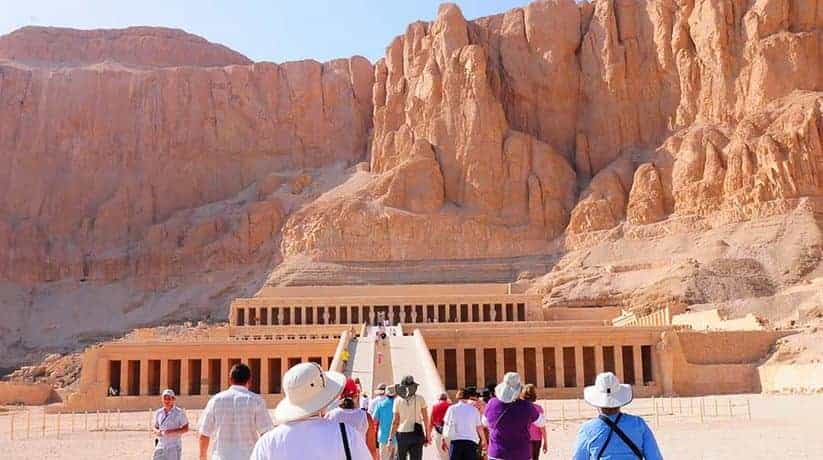
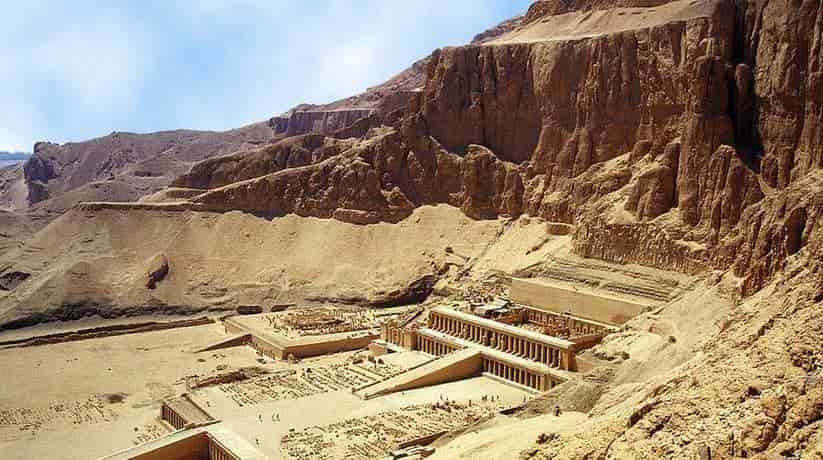
Hatshepsut temple Luxor built just north of the Middle Kingdom temple of Mentuhotep. In fact, it is in the bay of cliffs which known as Deir El Bahri. In ancient times, Hatshepsut temple Luxor called Djeser-djeseru, meaning the “sacred of sacred”. It influenced by the style of the earlier temple at Deir El Bahri. Hatshepsut’s construction surpassed anything which built before. It is both in its architecture and its beautiful carved reliefs. Moreover, the female pharaoh chose to site her temple in a valley sacred to the Theban Goddess of the West. It was on a direct axis with Karnak Temple of Amun on the east bank. On the other side of the mountain was the tomb which Hatshepsut constructed for herself. In fact, the tomb located in the Valley of the Kings (KV 20).

Hatshepsut temple Luxor built on three terraced levels. It is with a causeway leading down to her Valley Temple. It would have connected to the Nile River by a canal. Moreover, Gardens with trees planted in front of the lower courtyard. In first court of the temple, there are colonnades. They are on the southern and northern sides of a ramp leading to the second court. At the end of the northern colonnade a colossal statue of the queen. In fact, it reconstructed and re erected from fragments. Reliefs in the southern lower portico are shallow and often difficult to see. But if the light is right they are interesting. The Reliefs show the transportation by ship of two obelisks from the granite quarries at Aswan. Furthermore, they escorted by soldiers, standard bearers, musicians and priests.

Further details about Hatshepsut temple Luxor:

Further along the wall, the queen offers the obelisks to Amun at Karnak. It is along with the dedication ceremonies. The lower northern portico of Hatshepsut temple Luxor shows Hatshepsut in a boat. She fowls and fishes in ritual scenes with birds, and a net of waterfowl drawn by two gods. Other ritual scenes include the queen offering statues and driving calves to Amun. She also portrayed as a sphinx trampling her foes. Crouching lions carved at the bottom of the ramp leading to the second terrace. In the second court of the temple, there was once a brick temple. It dedicated to Amenhotep I and Ahmose-nefertari. In fact, it destroyed when Hatshepsut’s architect Senenmut began construction of the new temple.

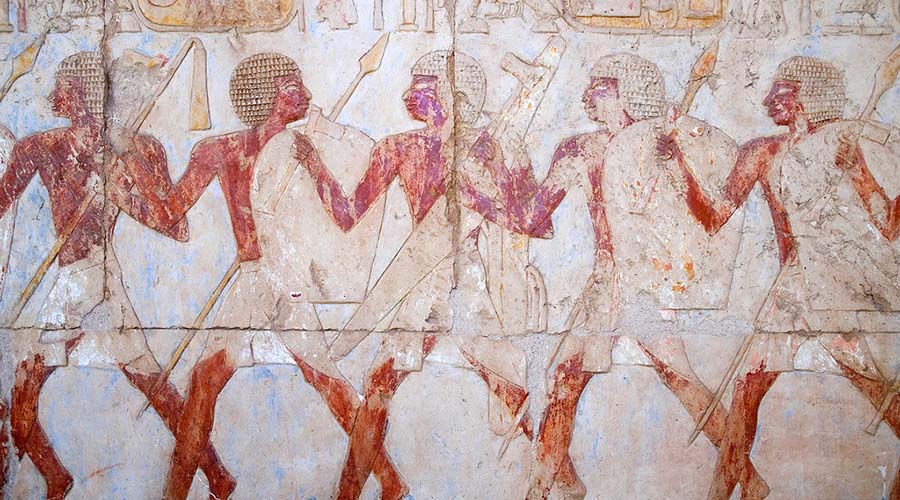
A brick shrine dedicated to Aesclepius by Ptolemy III (also destroyed). It stood in front of the southern side of the portico on the second terrace of Hatshepsut temple Luxor. At the end of the southern portico is a Chapel of Hathor with many reliefs of Hatshepsut. It licked or suckled by the goddess in the form of a cow. Beautiful Hathor headed pillars line the central part of the hall at the temple. They lead the way to the sanctuary area of the chapel cut into the hillside at the back. Unfortunately these inner chambers usually closed to visitors. On the northern wall in the hypostyle of the Hathor Chapel are colorful scenes. The scenes are of boats and a parade of soldiers, a panther and Libyans dancing in a festival of Hathor.

More details about Hatshepsut temple Luxor:

In the southern colonnade are the famous scenes of Hatshepsut’s expedition to Punt. The precise location of Punt is not known. But it thought to have been on the east coast of Africa, to the south of Egypt. The end wall shows a village in the land of Punt. Moreover, its dome shaped houses on stilts with ladders to access them. There are wonderful birds and animals all around in Hatshepsut temple Luxor. The famous relief of Ity the ‘Queen of Punt’ is now in Cairo Museum. It is a fat lady who was actually the wife of Parahu, Punt’s chief. It has replaced by a reproduction. On the western wall at the temple, rigged sailing boats. They get ready to bring the tribute back to Egypt. They include incense trees in baskets, cattle, baboons and a panther.

Note the many types of fish in the water in the register below. Further along we see the transplanted incense trees in the gardens at Karnak. The produce from the expedition weighed and documented by officials. It is before presented to the queen to offered to Amun. The northern colonnade at Hatshepsut temple Luxor, begins with a Chapel of Anubis. It echoes the Hathor Chapel on the southern side. It shows colorful scenes of Hatshepsut in the presence of the jackal headed god. In some places Hatshepsut’s figure has removed. But the figure of her successor Thutmose III remains. It offers scenes to Amun as well as Anubis, Wepwawet, Sokar, Osiris and other mortuary gods. In the northern portico we see scenes of the queen. They establish her right to rule by illustrating her divine birth.

Further details about the temple of Hatshepsut Luxor:

The reliefs are shallow and not well preserved. They show the divine union of Hatshepsut’s mother Ahmose with Amun. We can see Khnum the creator god then fashions the queen and her ka on the potter’s wheel. We also see Ahmose led to the birth room by the goddess Hekat who presides over the childbirth. Hatshepsut then presented to Amun. Many other deities and the goddess Seshat, with Hapi, records her name and reign length. The register above portrays the coronation ceremonies of the queen. It is where she crowned first by her father Thutmose I, then by Horus and Set. The ramp at Hatshepsut temple Luxor leads to the third terrace. It flanked by Horus falcons.

The Polish Egyptian mission working to restore the upper terrace of Hatshepsut temple Luxor. It is since 1961 and it closed to visitors until 2002. The pillars in the portico in front of the third terrace decorated with Osirid statues of the queen. Passing under a huge pink granite doorway the visitor enters a columned courtyard. The wall to the north of the doorway shows scenes from the ‘Beautiful Feast of the Valley’. It is with barques carrying statues of Thutmose I, II, III and Hatshepsut. The chambers in the northern part of the upper terrace dedicated to the solar cult of Re-Horakhty. In one of these is a huge alabaster altar. It is on which sacrifices would have left exposed to the sun.

More details Hatshepsut temple in Luxor:

Other niches and chapels lead off from these chambers. They still have well preserved colorful paintings. In fact, they still closed to visitors. They include another dedicated to Anubis and one to the parents of Hatshepsut. The southern side of court in the upper terrace dedicated to the royal mortuary cult. The wall to the south of the doorway also shows scenes of processions of royal statues in boats. It is with their attendants. On the south wall are offering scenes to various deities. The chambers to the south of the court still closed. They included cult chapels of Hatshepsut and her father Thutmose I. They with similar well preserved decoration in each.

In the center of the upper court at the rear is the sanctuary of Amun. The focus of the temple which cut deep into the rock of the mountain (not at present open to visitors). This would have been the resting place for the barque of Amun during the “Valley Festival”. Two chambers in the sanctuary show scenes of Hatshepsut. It is with her daughter Neferure and Thutmose III worshiping various gods. In fact, the sanctuary later expanded by Ptolemy VIII. Euergetes who added a third chamber. It dedicated to Imhotep and Amenhotep Son of Hapu. They worshiped as deities at that time and associated with gods of healing. The third terrace later became a sanatorium.

Hatshepsut temple Luxor Entrance:

The temple is open from 8 am to 4 pm in winter. Tickets cost 80 Egyptian pound and should bought at the ticket office. There is a little train (Taftaf) from the parking area. It is to the temple entrance that costs 20 Egyptian pound. The temple is floodlit in the evening. Although not open, it is a beautiful sight which seen from any high point. You can see it even from across the river in Luxor.

Nearby attractions Information, tours and Online Booking

More of Ancient Egypt

More of Egypt attractions

MORE
error: Copyright © www.etltravel.com !