Activities in Ancient Luxor

Things to Do

Dendera temple Luxor
Dendera temple Luxor
  • Dendera temple Luxor
  • Dendera temple Luxor
  • Dendera temple Luxor
  • Dendera temple Luxor
  • Dendera temple Luxor
  • Dendera temple Luxor

Dendera temple Luxor Egypt tours, prices, booking, reviews

Dendera temple Luxor located about 60 kilometers north of Luxor. It is on the west bank of the Nile River and  opposite the provincial modern. Along with Dendera temple itself, there is also a necropolis. The necropolis includes tombs of the Early Dynastic Period. The most important phase that has identified was the end of the Old Kingdom. It is besides to the 1st Intermediate Period. In fact, the provinces were autonomous at that time and. Dendera was not a leading political force in Upper Egypt. Its notables built many Mastabas of some size. Though only one has any decoration apart from stelae and false doors. Moreover, on the west end of Dendera temple site are brick which vaulted catacombs.

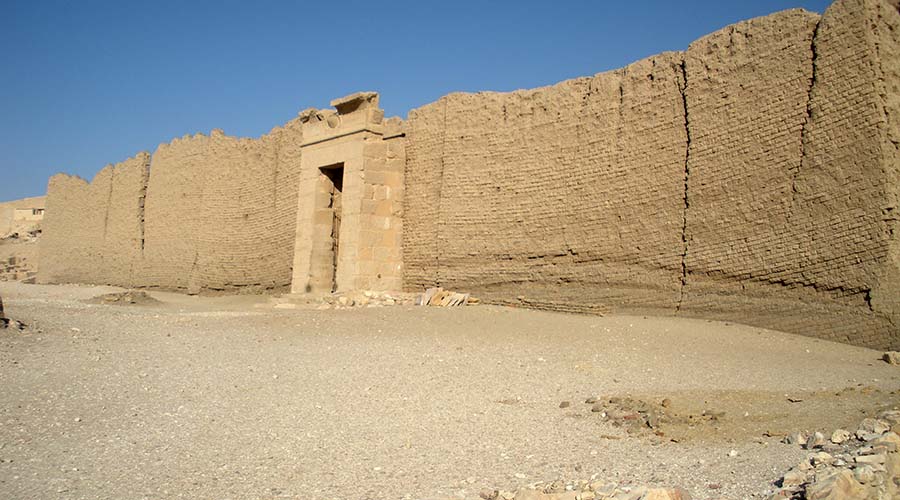
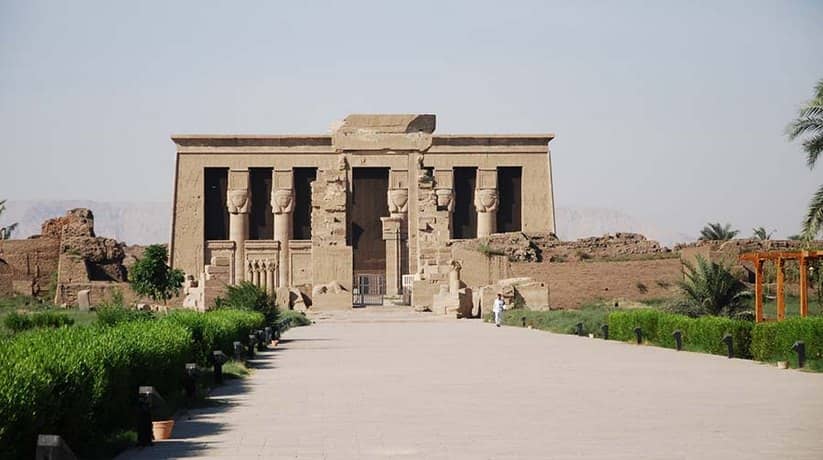
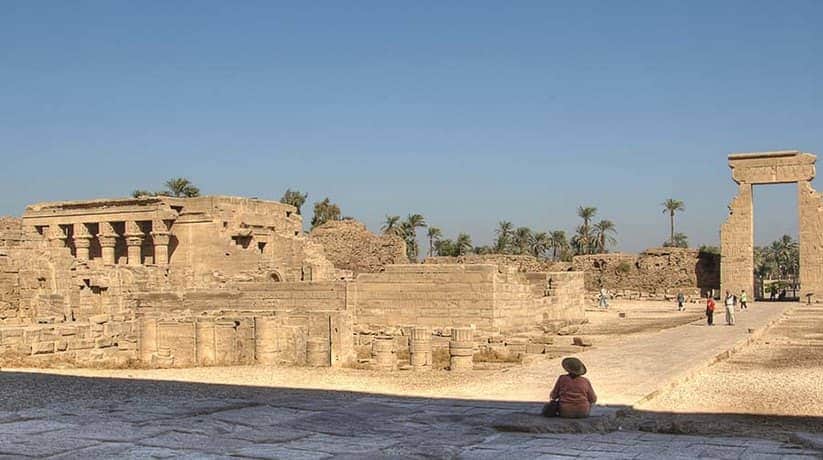
In fact, the catacombs are of Late Period animal burials, birds and dogs. It is while cow burials found at various points in the necropolis. Of course, this was a significant site for the Hathor cult, whose forms included a cow. Dendera temple complex oriented toward the Nile, which here flows east-west. The temple faces north. Dendera temple Luxor main area fronted by several Roman Period kiosks. Monumental gateway of Domitian and Trajan set in a massive mud-brick enclosure wall. It surrounded the complex, and leads to an open area. The site lacks a colonnade. Moreover, there are two pylons which ought to precede the inner temple.

Further details about Dendera temple Luxor:

An unfinished inner enclosure wall of stone surrounds a courtyard with side entrances. Moreover, it opens before the large hypo-style hall added in the 1st century AC by the emperor Tiberius. Dendera temple proper is the Roman Period birth house of Dendera on the west. It perhaps built by Nero, though more by Trajan. Although the dedication inscriptions refer to Trajan, Nero depicted. It is in the main hypo-style hall of the of the Hathor temple, offering the model of a birth house. In fact, it the latest preserved temple of its type. Furthermore, the new sanctuary well designed and followed Ptolemaic models. In fact, it was to match the level of the Hathor temple, the new building erected on a high platform. Furthermore, a temporary access staircase led up at the side of the platform.

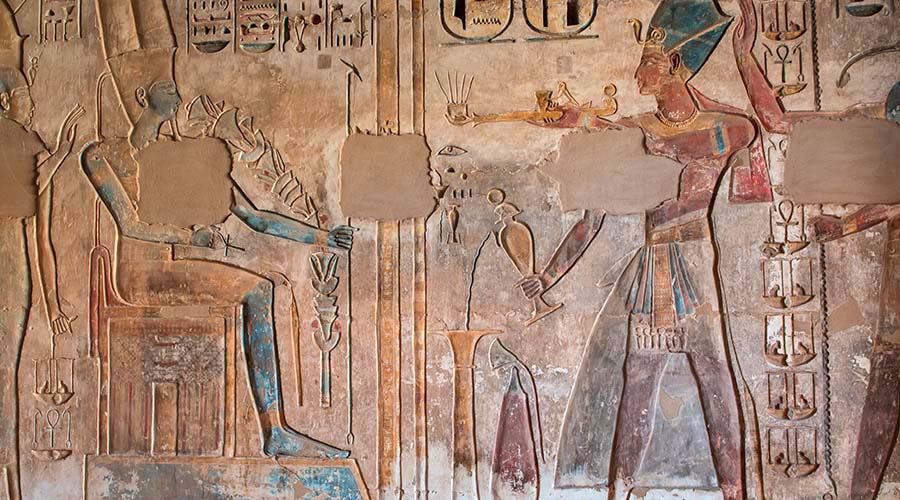
In fact, the roofing slabs not positioned. They beneath the level of the cavetto molding around the buildings top. But would have hidden by a parapet wall. Moreover, the core building contains a sequence of three rooms. Two corridors that isolate the large sanctuary are notable. These passages are too narrow to use. They added for symbolic and optical effect. Furthermore, the rear wall of the sanctuary dominated by an enormous false door. It framed by a double cavetto molding on slender columns and topped by an uraeus frieze. A cult niche high up in the wall corresponds to the location of the statue niche. In fact, the statue niche is in the sanctuary of the main temple. In fact, Dendera temple Luxor scenes depict Trajan, Augustus’ later successor, making offerings to Hathor. They are among the finest to found in Egypt.

More details:

It was the ritual location where Hathor gave birth to the young Ihy or Harsomtus. They are two alternative youthful deities. Moreover, they stand for the youthful phase of creator gods in general. There are also figures of the god Bes and a patron of childbirth. It carved on the abaci above the column capitals. In fact, the reliefs on the exterior walls preserved. They portray the divine birth and childhood of the infant Horus. It is whose rites legitimize the divine descent of the king. The birth house surrounded by an ambulatory. The composite capitals of the columns carry high pillars with Bes figures. The frontal ambulatory extended by the addition of three columns. It is into a kind of kiosk, with the front corners which formed by L-shaped pillars. The kiosk had a timbered roof that somehow must connected to the stone structure of the birth house.

This merging of the ambulatory with a kiosk is a novelty. At older birth houses, a court attached as a separate structure. The Roman Birth House (mammisi) built when the earlier structure, begun by Nectanebo I. It decorated in the Ptolemaic Period. Moreover, it cut through by the foundation of the unfinished first court of the main temple of Hathor. Only a false door at the eastern exterior wall of the main Dendera temple. It reminds one of the original sanctuary. This birth house measured about 17 by 20 meters. Furthermore, it consisted of a triple shrine opening to a transverse hall. Moreover, it built mainly of brick but received an interior stone casing. Within this older structure, the walls of the wide hall depict the Ptolemaic kings. In fact, they offer to Hathor.

Further details about Dendera temple Luxor:

A scene on the north wall shows the creator god Khnum fashioning the child, Ihy. It is with Hekat the goddess of childbirth which seen in her image as a frog. In fact, both birth houses are now accessible and differ in plan and decoration. Between the new and old birth houses are the remains of a Christian basilica. In fact, they date back to the 5th century AC. It is indeed an excellent example representative of early Coptic church architecture. South of the earlier birth house is a mud-brick. This sanatorium is the only one of its type known in association with an ancient Egyptian temple. Here, visitors could bathe in the sacred waters or spend the night to have a healing dream of the goddess. It had benches around its sides where the sick rested while waiting for cures affected by the priests.

The water poured over magical texts on the statues. It caused it to become holy and to cure all sorts of diseases and illnesses. Moreover, basins used to collect the holy water can still seen at the western end. To the west of the sanatorium, a small chapel of Nebhepetre’ Mentuhotep. It dates back to the 11th Dynasty, recovered from the site and re-erected in the Cairo Museum. In fact, Dendera temple Luxor is the grandest and most decorated of its period. Moreover, it is also indeed one of the most important temple sites of Egypt. Dendera temple provides examples of a rich variety of later temple features. Moreover, it also one of the best preserved temples of this period. In fact, it is despite the destruction of the temples of Hathor’s consort Horus and their child Ihy. The child statue stood close by.

More details:

The massive foundations contain many blocks from the earlier structure it replaced. Early texts refer that Dendera temple rebuilt during the Old Kingdom and several New Kingdom monarchs. They include Thutmose III, Amenhotep III, Ramses II and III. In fact, fragments of earlier periods found on the site, but there have no earlier buildings unearthed. Pepi I and Thutmose III in particular recalled in the new temple’s inscriptions. The temple of Hathor constructed over a period of thirty-four years, between 54 and 20 BC. When Ptolemy XII died in 51 BC, the temple was still in its early stages. It was after four years of building activity, although it contained some underground crypts. In fact, It seems that the rest of the temple built during the twenty one year reign of his successor.

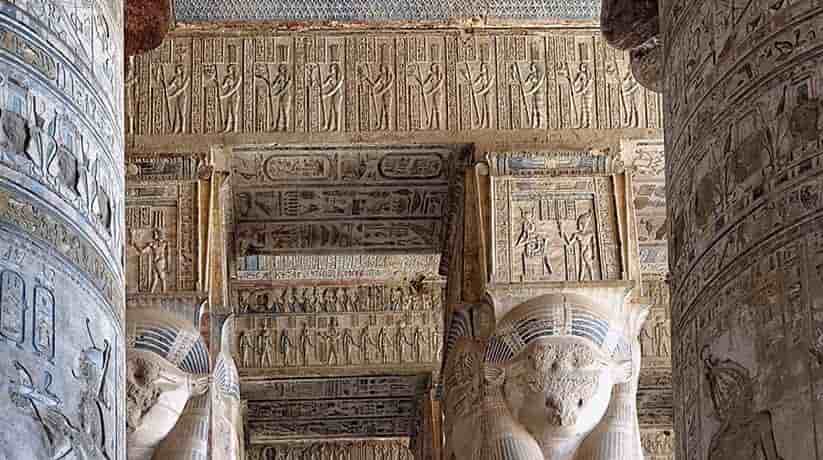
The successor was Queen Cleopatra VII. At the time of her death in 30 BC, the decoration work just begun. It was on the outer rear wall. In fact, Dendera temple Luxor plan is classical Egyptian. Moreover, it enclosed by a 35 by 59 meter wall standing 12.5 meters high. The facade of the hypo-style hall that fronts the main temple constructed as a low screen. It is with inter-columnar walls exposing the hall’s ceiling and the Hathor style sistrum capitals of its 24 columns. This part of the temple built under Tiberius between 34 and 35 AD. In fact, it is according to a dedication inscription on the cornice thickness above the entrance. The structure measures 26.03 by 43 meters and is 17.2 meters high. Moreover, it has an 8 meter long architrave and towering cavetto built from one course.

Further details about Dendera temple Luxor:

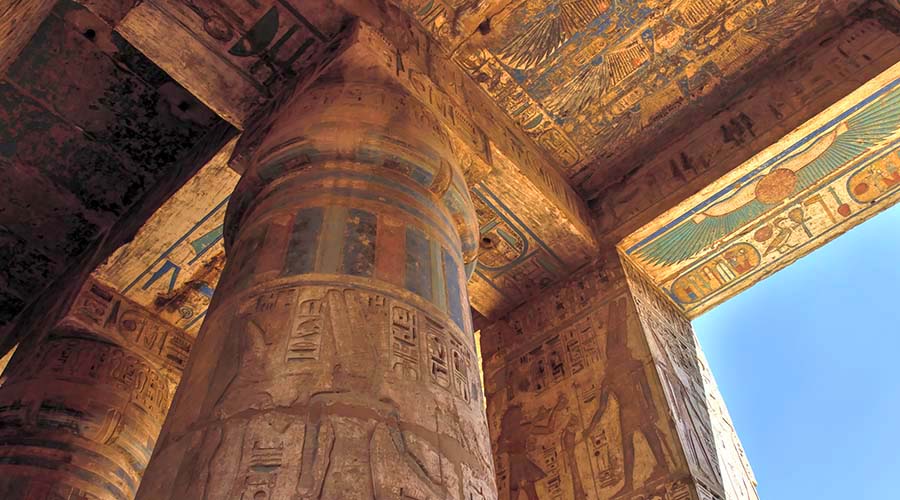
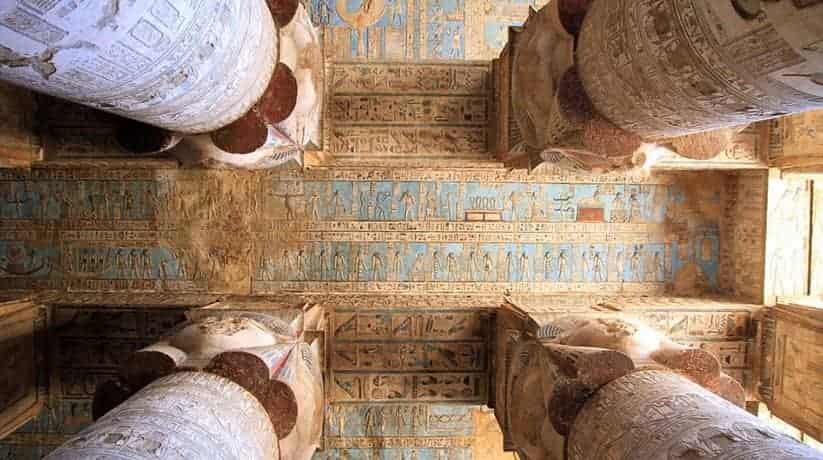
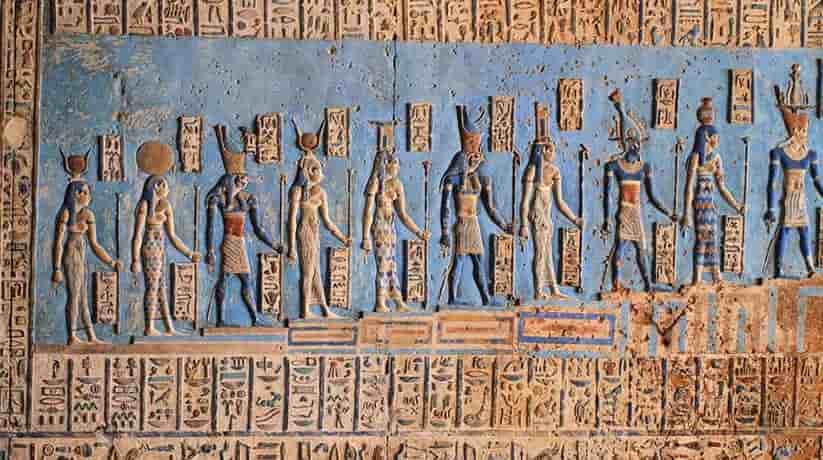
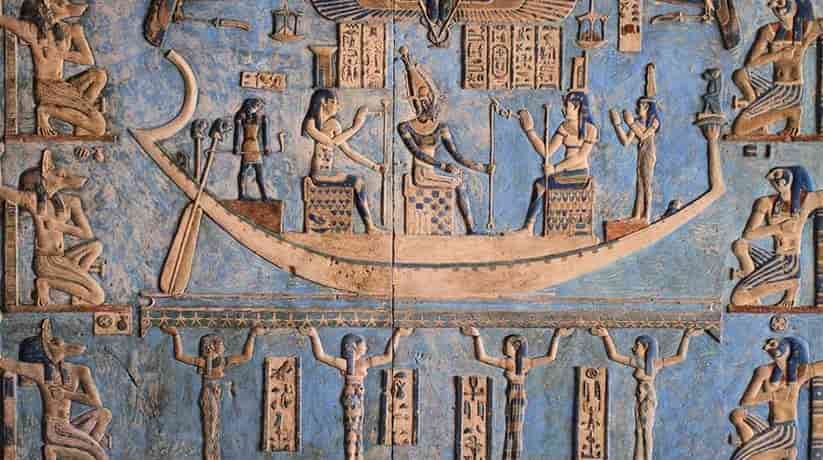
The massive volume of the corner tori cast heavy shadows and articulate the edges of the facade. A sistrum is an ancient Egyptian musical instrument associated with Hathor. Each column bears a four-sided capital. It occupies about one third of the column height. Moreover, it carved with the face of the cow-eared goddess. Every one of the faces vandalized in antiquity. Furthermore, the shafts decorated with scenes and their straight bases stand on flat plinths. The paint, which still preserved in the 19th century, dominated by the blue of Hathor’s wig. The ceiling of this hall retains much of its original color. It decorated as a complex and aligned symbolic chart of the heavens. Moreover, it also includes signs of the zodiac and images of the sky goddess Nut.

Nut swallows the sun disc each evening to give birth to it once again at dawn. The outer hypo-style hall decorated by emperors ranging from Augustus to Nero. At the center of the south outside wall was a relief of a sistrum. It gilded, both to show its importance and to evoke Hathor, the “gold of the gods”. Moreover, a doorway aligned to the central axis of Dendera temple Luxor. In fact, it leads from the large hypo-style hall into an inner hall with six Hathor columns. It known as the hall of appearances. It was here that the statue of the goddess “appeared” from her sanctuary for religious ceremonies and processions. The front wall of this hall was actually the facade of the original temple. Lighting within the hall provided through small and square apertures. The chamber has columns in two rows of three and also Hathor heads.

More details:

The bases and the lower parts of the drums made of granite, while the upper parts are of sandstone. There are scenes on the walls of this hall. In fact, they depict the king participating in the foundation ceremonies for the construction of the temple. Moreover, on either side doors open into three chambers. They used as preparation areas for various aspects of the daily ritual. For example, one room used as a laboratory for preparation of ointments. An opening through the outer eastern wall allowed offering goods to brought into this area. A parallel passage from one of the western chambers led to a well. The rear part of the Dendera temple built first in the early 1st century BC. Moreover, the earliest king named is Ptolemy XII Auletes. The cartouches are blank because of dynastic struggles in the mid 1st century.

This inner core included an offering hall, in which sacrifices dedicated. A “hall of the Ennead” where statues of other deities assembled. It is with Hathor before a procession began. These followed by a 5.7 by 11.22 meter barque shrine. It once enclosed the four barques of Hathor, Horus of Edfu, Harsomtus and Isis. They which not enclosed by wooden shrines. After this small chamber there is the sanctuary of the goddess herself. Moreover, it embellished by a splendid, temple-like facade topped by a cavetto. It is with an uraeus frieze. Inside the sanctuary of Dendera temple, an decorated wooden naos. It held the gilded, two meter high seated cult image of Hathor. The naos stood in a niche of the rear wall. It not known how the niche, three meters above the pavement, could reached.

Further details about Dendera temple Luxor:

To either side of the this inner sanctuary, the king depicted. He offers a copper mirror, one of Hathor’s sacred emblems to the goddess. About the central sanctuary on its sides and rear located eleven chapels. They dedicated to the other deities who associated with Hathor’s chief attributes. Within Dendera temple Luxor the most distinctive parts are indeed the fourteen crypts. Eleven of them decorated and far surpass those of other temples. The inclusion of accessed crypts in temples dates back to the 18th Dynasty. By the Late Period crypts included in the architectural design of most temples. These are suites of rooms on three stories. They set in the thickness of the outside wall. The beneath the floors of the chambers in the rear part of the temple.

The elongated, narrow chambers and passages arranged one above the other. It is with the lowermost laid deep within the temple foundations. Access gained through trapdoors in the pavement and behind hidden sliding wall blocks. Unlike other crypts, those at Dendera decorated in relief. The decorations in these chambers conforms to the temple’s axis. The most important reliefs, among which sistra are prominent, were on the axis itself. These rooms decorated before the roof blocks set. On the roof in the southwest corner is a kiosk. It is in which the ritual of the goddess’s union with the sun disk performed. It has four Hathor columns on each side. Sockets in its architraves suggest a barrel-shaped timber roof. It is with a double hull and segmented pediment.

More details about Dendera temple in Luxor:

Though for its purpose it must had roof windows to let in the sun’s rays. In the floor of the chapel one may also note the light well for the Horus chapel below. The ba of Hathor would have taken from its hiding place to the roof of the temple. It is for the significant New year’s festival which celebrated. It is where it spent the night before beholding the rising sun in a symbolic union with the solar disc. The staircase to the west of the offering hall used by the priests to ascend to the roof. It has ascending figures of the king and various priests. It with the shrine of the goddess carved on its right hand wall. These representations depict various aspects of the New Year’s festival.

The stairway to the east has corresponding scenes of descending figures. It used for the procession’s return. There is also a pair of parallel shrines on the roof’s eastern and western sides which dedicated to Osiris. They concealed in a kind of mezzanine floor. Both of these sanctuaries have open courts, surrounded by a cavetto. From the rear wall of the court, three doors lead into two succeeding chambers. In the inner of the two rooms, Isis and Nephthys shown mourning the death of Osiris. Osiris lies on his funerary bier waiting to resurrected by magical rituals. Isis is also depicted, impregnated with the seed of her son Horus as the myth unfolds.

Further details about Dendera temple in Luxor:

A corresponding suite on the eastern side of the roof depicts the lunar festival of Khoiakh. It is in which an “Osiris bed” filled with earth and grain seed as part of an important fertility rite. The walls of the first room show scenes of the burial goods of Osiris. It included his canopic jars. On the ceiling Nut shown with other astronomical figures. On the other half of the ceiling is a plaster copy of the famous “Dendera Zodiac”. It representing the cospic aspect of the Osiris mysteries. The original is now in the Louvre in Paris. The inner room depicts scenes from the Osiris myth. They are like to that of the western suite as well as reliefs of cosmic importance.

Dendera considered one of Osiris’ many tombs and the shrines, which have no link with Hathor. It used to celebrate his death and resurrection. His death maybe re-enacted. It is at the sacred lake to the west of the temple. The roof of the hypo-style hall reached by another flight of steps. It is with various gods which carved along its wall. This highest area of Dendera temple used in antiquity by pious pilgrims. Pious pilgrims who awaited signs and miracles from the goddess. There remain gaming boards carved into the stone blocks. They helped these faithful pass the time during their vigils.

More details about Dendera temple in Luxor:

On the rear outside wall of Dendera temple beneath the two lion-headed waterspouts. There are also three more on each of its side walls. Drained rainwater from the roof are scenes. They showing the massive figure of Cleopatra VII and her son by Julius Caesar, Caesarion. He became the great queen’s co-regent as Ptolemy XV. At the center of the wall is the large False Door. It is with a gigantic emblem of Hathor and diminished over the centuries by pilgrims who scraped at it. It is to get a little of the sacred stone at a point. The point is where they could come closest to Hathor herself. This is the location of the “hearing ear” shrine. It is which allowed the goddess to “hear” the prayers of common folk.

Immediately south of the Hathor temple is the temple of Isis. It known as the Iseum. It used foundation blocks from a destroyed Ptolemaic building and decorated under Augustus. The east gateway leads to this temple. It is almost unique in having a dual orientation with the outer rooms. The hypo-style hall facing east and the inner ones north toward the temple of Hathor. The central high relief in the sanctuary showed Isis giving birth. It has mutilated. Within the rear wall of the sanctuary a statue of Osiris (now destroyed). It supported by the arms of Isis and Nephthys. At the temple’s southwest corner, lies the compound’s sacred lake. It provided water for the priests’ ablutions. It has flights of stairs descending from each corner.

Further details:

It is stone-lined ceremonial basin. In fact, it the best preserved of its type in any Egyptian temple. Today, it is empty of water and tall trees grow within its walls. Next to the lake is a well with rock-cut steps. The steps lead down to give access to water for daily use in the temple. East of the temple was a part of the town. It which the temple texts mention as having a temple of Horus of Edfu in its midst. This may be the same as some remains of the Roman Period about 500 meters from the main enclosure. The triads of deities worshiped at Edfu and at Dendera were similar. They consist of Horus, Hathor (or Isis) and Ihy or Harsomtus. Hathor of Dendera and Horus of Edfu met at a sacred “marriage” ceremony. It was when she made a progress to the south.

How to Get to Dendera temple Luxor:

A few years ago Dendera temple closed to visitors. Its cafeteria and gift shops almost derelict. It is now once more a thriving tourist attraction which often incorporated into the itinerary of a Nile Cruise. The temple can reached by taxi or coach tour from Luxor. Tickets at the gate cost 55 Egyptian pound.
Nearby attractions Information, tours and Online Booking

More of Ancient Egypt

More of Egypt attractions

MORE
Deir El Medina Luxor

Deir El Medina Luxor

  • Deir El Medina Luxor
  • Deir El Medina Luxor
  • Deir El Medina Luxor
  • Deir El Medina Luxor
  • Deir El Medina Luxor
  • Deir El Medina Luxor

Deir El Medina Luxor Egypt tours, booking, prices, reviews

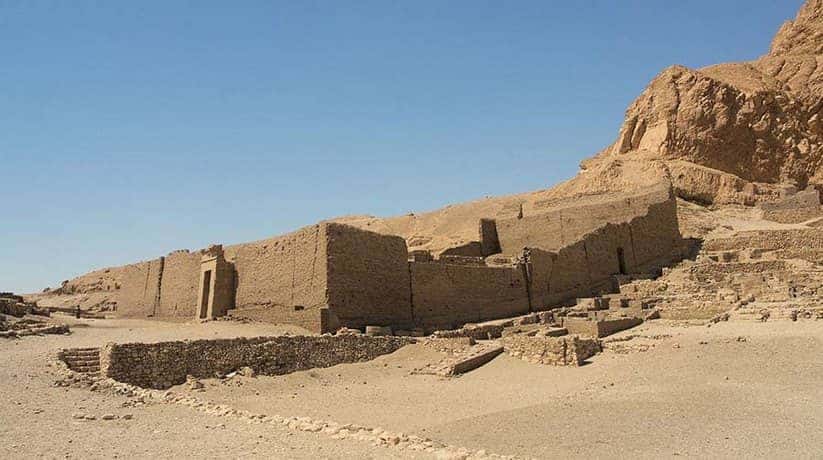
Deir El Medina Luxor is the Arabic name of a village in the Theban necropolis. In fact, Deir El Medina Luxor once occupied by the pharaohs’ tomb builders. It also occupied by the artisans of New Kingdom Thebes. It’s name means “Monastery of the Town”. In fact, it derives from the Coptic monks who occupied the Ptolemaic temple there. It was during the early Christian period. In ancient times Deir El Medina known as “Set Ma’at” (the Place of Truth) or “Pa-demi” (the town). We do not know exactly when the Deir founded. Bricks discovered in the original enclosure wall stamped with Thutmose I name. It is although Queen Ahmose-Nefertari and her son Amenhotep I revered by the inhabitants. They are of early Dynasty XVIII.

In fact, a cult temple of Amenhotep I situated at the northern end of the village. Little known about the earliest settlement here which destroyed by fire. But later during the reign of Horemheb the houses restored and the village expanded. The remaining structures in Deir El Medina today date back to Dynasties XVIII, XIX and XX. There were excavations, restorations and study in recent years. They carried out by the French Institute of Oriental Archaeology (IFAO). Deir El Medina yielded a huge amount of information. It is about the daily lives of the inhabitants, their families and relationships. Moreover, it is also about their working and living conditions. A great deal of textural material in the form of papyri and Ostraka have found. Ostraka is large flakes of limestone or pottery sherds which used for sketches and jottings.

Further details about Deir El Medina Luxor:

In fact, a massive collection of figured Ostraca recovered. It is especially from “the Great Pit”, a wide deep hole to the north of the Temple of Hathor. It thought that the pit dug by the villagers in search of water. Such settlement sites are indeed rare. There were discoveries of similar communities at Giza. They date back to the Old Kingdom and Kahun, from the Middle Kingdom. They together with Deir El Medina build a picture of the lives of the common people of ancient Egypt. In fact, the community at the Deir consisted of the workers and craftsmen. They employed in the construction of the New Kingdom royal Tombs of Valley of Kings. It occupied an area of around two hectares. with seventy dwellings enclosed within the original walls. It is about fifty more outside during the Ramesside period.

The residential area approached from the northern end. It is where a well located and had a broad central street. The street runs north to south with houses on either side. Moreover, the houses at Deir El Medina all built to a similar plan from mud bricks. They were with four small rooms. An internal staircase leads to a terrace or upper room and sometimes a cellar. Furthermore, the flat roofs constructed from planks of wood from palm tree. The internal walls plastered with gypsum and painted white and floors were of stone. Moreover, there was a large brick structure in the corner of the entrance hall. It entered by a short flight of steps. Thought to be either a domestic shrine or a bed platform. It used in childbirth (or perhaps both combined). The platform would often decorated with depictions of the god Bes.

More details about Deir El Medina Luxor:

In fact, God Bes who associated with childbirth as well as being a household god. The main room lit by high clerestory windows. It had a low raised platform and stelae. They dedicated to ancestor cults and to Meretseger, goddess of the Theban necropolis. Moreover, a storage area also used as sleeping quarters. A kitchen area with an oven and an open roof was at the rear of the house. Furthermore, the door lintels and jambs of the houses painted red. They often inscribed with the name of the inhabitant’s family. They seem to have inherited by family members. The family members who usually carried on the position or trade of the householder. They elevated their position, the grander their house. The community isolated and had little contact with the outside world. In fact, it was maybe for security reasons.

They governed by the Vizier of Upper Egypt. His local representative was the “Scribe in the Place of Truth” or “Scribe of the Tomb”. The tomb builders assigned to two gangs.  In fact, they worked on the left side or the right side of the royal Tombs. Each gang or “Iswt” was responsible for the work on their own side under a foreman. Each gang consisted of stonemasons, droughts men, artists, carpenters and sculptors. Moreover, they had their own deputies, guards and door keepers. The door keepers were responsible for the security of the workplace and discipline of the men. The workmen guarded by the “Medjay” or necropolis guards. The tomb builders walked to the Kings Valley over the mountain on paths. The paths still used today. Perhaps they spent part of their shift sleeping in “stopover villages”.

Further details about Deir El Medina Luxor:

The workmen paid in grain and other provisions such as fish, vegetables, water oil and salt. On special occasions such as festivals, they given a holiday and bonuses. The bonuses consisted of extra rations of food such as meat or poultry and other “luxuries”. When work on a royal tomb slowed down the workers laid off for a time. Records show that the craftsmen would often have employed in more menial tasks. They also supplemented their income by taking private commissions. The private commissions enabled the workers to construct Tombs and burial goods. It was for themselves and their families. This worked on the principle of bartering their skills. Many Ostraca have found which record the buying and selling of goods. It was between the inhabitants of the village.

There are also records of disputes at Deir El Medina. They were in the village inevitable in a small isolated community. One such dispute recorded between two individuals, Amen-nakht and Paneb. It was over the office of foreman after the death of Amen-nakht’s brother. There were also disputes over settlement of property theft and blasphemy. During the reign of Ramses III a labor strike by the workmen considered necessary. It was after a long period of reduced rations. The strike seems to have produced the desired result. More provisions soon made available. It was to be the first of several such strikes over pay and conditions. Deir El Medina Luxor had its own judiciary system. It comprised of leading members of the community. They settled all minor matters of crime or dispute. Only the more serious cases needed to go before the vizier’s court.

More details about Deir El Medina Luxor:

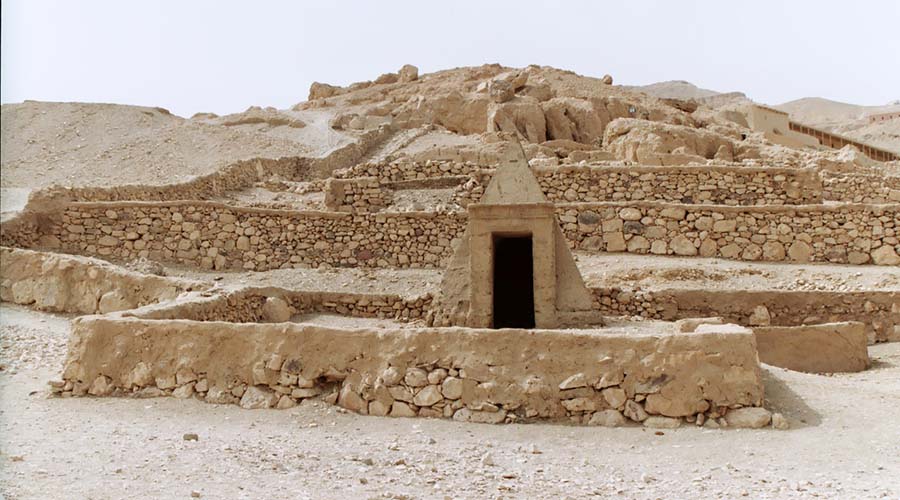
Much of our information comes from the workmen who buried in pyramid Tombs. The tombs which surround Deir El Medina Luxor. One of the early inhabitants of the village was an architect and foreman. It was during the reigns of Thutmose III to Amenhotep III. He named Kha. His intact burial was one of the major archaeological discoveries in the village. It found in 1906 and now reconstructed in the Turin Museum. His tomb contained high quality burial goods. It including tomb furnishings, jewelry, papyri and pottery and bronze vessels. In the houses themselves many objects have found. It including baskets or pots containing foodstuffs and cosmetic products. They which tell us about the lives of these families.

Many textural documents and stories have found at Deir El Medina in the form of papyri and Ostraca. There is a huge pit at the northern end of the Deir. It is beyond the Ptolemaic temple, in which thousands of Ostraca found. Moreover, it contained letters, records of births, deaths and marriages. It also included many aspects of religion and law about the inhabitants. There seems to have been quite a high level of literacy in Deir El Medina. It is especially among the women. Women would have had the responsibility of running the household. It was when their husbands were away working. The demise of the workmen’s village came about at the end of Dynasty XX. It was during a period of turmoil and civil war. The inhabitants moved into a new village.

Further details about Deir El Medina in Luxor:

It was within the walls of nearby Medinet Habu protect them from Libyan attack. The village of Deir El Medina abandoned to the desert. Only the temples and shrines continued to visited. By the end of Dynasty XX the remaining workmen were under the “protection” of the high priests of Amun. It was at Medinet Habu. It was before the instability of the Third Intermediate Period brought about the end of an era. During the Ptolemaic Period a Temple of Hathor constructed at the northern end of Deir El Mednia. It was on the site of earlier remains. In fact, it converted into a Coptic church and monastery. Deir El Medina Luxor was also the site of an important Graeco Roman cemetery. The workmen’s village lay buried by sand. It was until it found by Ernesto Schiaparelli following the discovery of the tomb of Kha.

How to get to Deir El Medina Luxor:

Deir El Medina situated behind the hill. The hill separates the modern villages of Qurnet Murai and Sheikh Abd El Qurna. It is around 10 minutes walk from the Antiquities Inspectorate. The village usually approached today from the southern end. Only entrance to the main street allowed. Ticket includes entrance to Deir El Medina and the tombs of Sennedjem. It also includes Inherkau and the Temple of Hathor. It costs 30 Egyptian pound from the main ticket office. An extra ticket needed for the tomb of Peshedu.

Nearby attractions Information, tours and Online Booking

More of Ancient Egypt

More of Egypt attractions

MORE
Hatshepsut Red Chapel Luxor

Hatshepsut Red Chapel Luxor

  • Hatshepsut Red Chapel Luxor
  • Hatshepsut Red Chapel Luxor
  • Hatshepsut Red Chapel Luxor
  • Hatshepsut Red Chapel Luxor
  • Hatshepsut Red Chapel Luxor

Hatshepsut Red Chapel Luxor Egypt tours, prices, booking

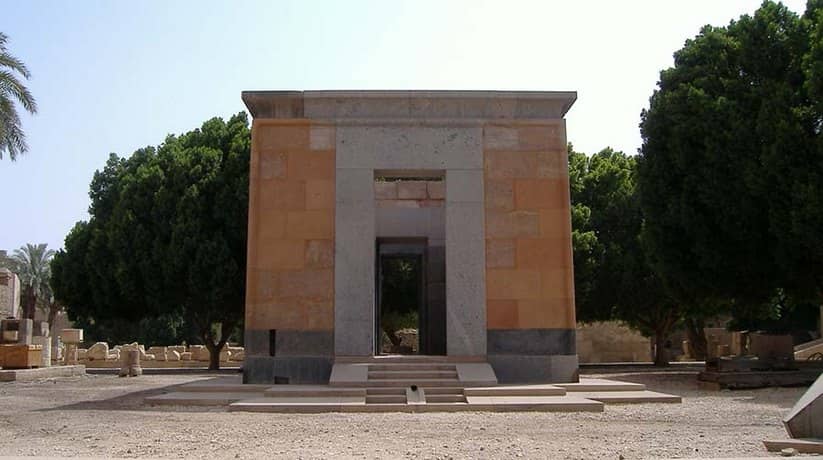
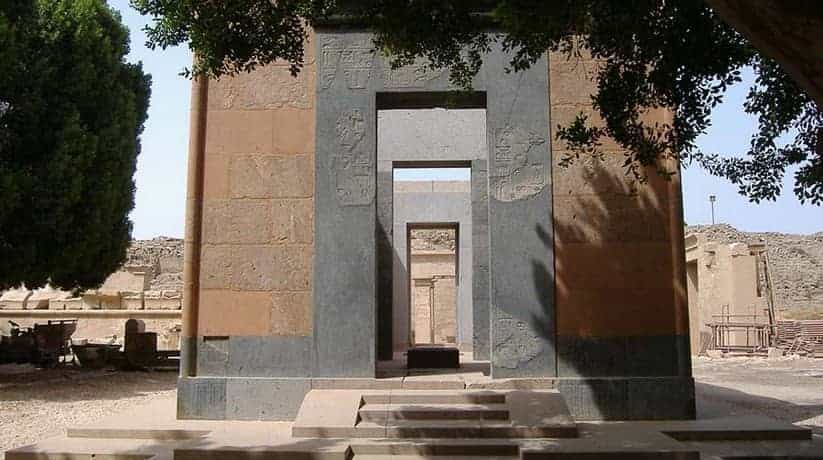
Hatshepsut Red Chapel Luxor was a barque shrine and the White Chapel of Senusret I. Furthermore, the chapel built with a base and doorways of black granite. It is also with walls of red quartzite, from the quarry which known as Gebel Ahmar or “Red Mountain”. Of course, the latter stone explains why the shrine known Hatshepsut Red Chapel Luxor (Chapelle Rouge). In fact, the natural color of the red quartzite varies. Therefor, the ancient craftsman painted all the block a uniform red color. It begun about four years before Hatshepsut’s death in about 1483 BC. Her nephew and successor Thutmose III maybe continued work on the chapel. But in fact, it never finished.

The white chapel of Senusret I is in the Open Air Museum at Karnak. The archaeologists rebuilt the White Chapel. It took many years to arrange the layout of the structure. The structure is like a big jigsaw puzzle on paper. In 2001, the Supreme Council of Antiquities decided to rebuild Hatshepsut Red Chapel Luxor. The process, like all our modern lives, happened much quicker. They fed the architectural elements of the building into a computer. The results are splendid. What really sets the small monuments, such as the White and Red Chapels, is their well preserved state. The Pharaoh, Amenhotep III decided to enlarge the temple at Karnak. It was by adding a new facade in the form of two entrance pylons. He pulled down many monuments which he no longer thought relevant.

Further details about Hatshepsut Red Chapel Luxor:

Moreover, he also put their stone sections in the core of the structure. This was the Third Pylon at Karnak. A large part of the massive Third Pylon of Amenhotep III at Karnak toppled over. It was at the end of the 19th century. In fact, it was because of an earthquake. Pierre Lacau was the director general of the Egyptian Antiquities Service. He ordered his director of works at Karnak, Henri Chevrier, to repair the structure. It was in 1924. Henri had to completely dismantle it to do so. In the process, he discovered some 951 blocks. The blocks belonged to a total of eleven different structures used as fill within the pylon. In fact, many of these blocks damaged. Moreover, their encasement in mortar in the pylon preserved their inscriptions and decorations.

Henri was also responsible for reconstructing the White Chapel of Senusret I many years ago. But the blocks from Hatshepsut Red Chapel Luxor remained dismantled until the 21st century. The blocks, numbering about 315, studied to work out their original order. In fact, it was not an easy process. Unusually, most of the blocks contained a complete scene. Thus, they do not overlap on to adjacent blocks. In fact, they never overlap on the horizontal joints. Some researchers believe that, this indeed the first “prefabricated” building in history. It is also with its decorations complete before the building’s erection. The belief of researchers was due to the way in which these decorations occur.

More details about The Red Chapel of Hatshepsut Luxor:

This of course made it difficult to identify the sequence of blocks within the structure. Also, about half the blocks were missing (some 40 to 45 percent). So modern blocks of stone cut from the same material as the original required. In some instances, modern brick also incorporated. It then plastered over and painted to match the original colors. To assemble the building, a study of the notches and dovetails in the blocks studied. This work resulted in a large structure. It is over seventeen meters in length and over six meters wide. In fact, it now dominates the Open Air Museum. It is a striking building with its black granite and red stone walls. It has three doors at the same level and of the same dimensions. In fact, the structure divided into two chambers. It was with a low plinth in the larger of the two rooms.

Further details about Hatshepsut Red Chapel Luxor:

The rooms used as a base for the barque of the God Amun. Amun’s image carried in procession between the Temples of Karnak and Luxor. It was during the annual celebration that took place at the height of the Nile Flood. In the center of the chapel located a drain for the waters. It used in absolution during the celebration. Furthermore, The decorations of Hatshepsut Red Chapel Luxor are rich, with gold paint filling the hollows of the engraving. However, there is only unfortunate aspect of this construction. It is that now many of the inscribed blocks are more difficult for visitors to see. In fact, many of the carved scenes high up in the walls and not always oriented for viewing.

The inscribed blocks are like Hatshepsut and Thutmose III interacting with Amun-Min and various other gods. They also include scenes from the Opet festival, the dedication of the chapel. Moreover, they include the establishment of the queen as ruler of Egypt. They also include the recording of nome divisions. It suggested that a good pair of binoculars taken along for a visit if any serious study intended.

Nearby attractions Information, tours and Online Booking

More of Ancient Egypt

More of Egypt attractions

MORE
Hatshepsut temple Luxor

Hatshepsut temple Luxor

  • Hatshepsut temple Luxor
  • Hatshepsut temple Luxor
  • Hatshepsut temple Luxor
  • Hatshepsut temple Luxor
  • Hatshepsut temple Luxor
  • Hatshepsut temple Luxor

Hatshepsut temple Luxor Egypt tours, tours, booking, reviews

Hatshepsut temple Luxor built just north of the Middle Kingdom temple of Mentuhotep. In fact, it is in the bay of cliffs which known as Deir El Bahri. In ancient times, Hatshepsut temple Luxor called Djeser-djeseru, meaning the “sacred of sacred”. It influenced by the style of the earlier temple at Deir El Bahri. Hatshepsut’s construction surpassed anything which built before. It is both in its architecture and its beautiful carved reliefs. Moreover, the female pharaoh chose to site her temple in a valley sacred to the Theban Goddess of the West. It was on a direct axis with Karnak Temple of Amun on the east bank. On the other side of the mountain was the tomb which Hatshepsut constructed for herself. In fact, the tomb located in the Valley of the Kings (KV 20).

Hatshepsut temple Luxor built on three terraced levels. It is with a causeway leading down to her Valley Temple. It would have connected to the Nile River by a canal. Moreover, Gardens with trees planted in front of the lower courtyard. In first court of the temple, there are colonnades. They are on the southern and northern sides of a ramp leading to the second court. At the end of the northern colonnade a colossal statue of the queen. In fact, it reconstructed and re erected from fragments. Reliefs in the southern lower portico are shallow and often difficult to see. But if the light is right they are interesting. The Reliefs show the transportation by ship of two obelisks from the granite quarries at Aswan. Furthermore, they escorted by soldiers, standard bearers, musicians and priests.

Further details about Hatshepsut temple Luxor:

Further along the wall, the queen offers the obelisks to Amun at Karnak. It is along with the dedication ceremonies. The lower northern portico of Hatshepsut temple Luxor shows Hatshepsut in a boat. She fowls and fishes in ritual scenes with birds, and a net of waterfowl drawn by two gods. Other ritual scenes include the queen offering statues and driving calves to Amun. She also portrayed as a sphinx trampling her foes. Crouching lions carved at the bottom of the ramp leading to the second terrace. In the second court of the temple, there was once a brick temple. It dedicated to Amenhotep I and Ahmose-nefertari. In fact, it destroyed when Hatshepsut’s architect Senenmut began construction of the new temple.

A brick shrine dedicated to Aesclepius by Ptolemy III (also destroyed). It stood in front of the southern side of the portico on the second terrace of Hatshepsut temple Luxor. At the end of the southern portico is a Chapel of Hathor with many reliefs of Hatshepsut. It licked or suckled by the goddess in the form of a cow. Beautiful Hathor headed pillars line the central part of the hall at the temple. They lead the way to the sanctuary area of the chapel cut into the hillside at the back. Unfortunately these inner chambers usually closed to visitors. On the northern wall in the hypostyle of the Hathor Chapel are colorful scenes. The scenes are of boats and a parade of soldiers, a panther and Libyans dancing in a festival of Hathor.

More details about Hatshepsut temple Luxor:

In the southern colonnade are the famous scenes of Hatshepsut’s expedition to Punt. The precise location of Punt is not known. But it thought to have been on the east coast of Africa, to the south of Egypt. The end wall shows a village in the land of Punt. Moreover, its dome shaped houses on stilts with ladders to access them. There are wonderful birds and animals all around in Hatshepsut temple Luxor. The famous relief of Ity the ‘Queen of Punt’ is now in Cairo Museum. It is a fat lady who was actually the wife of Parahu, Punt’s chief. It has replaced by a reproduction. On the western wall at the temple, rigged sailing boats. They get ready to bring the tribute back to Egypt. They include incense trees in baskets, cattle, baboons and a panther.

Note the many types of fish in the water in the register below. Further along we see the transplanted incense trees in the gardens at Karnak. The produce from the expedition weighed and documented by officials. It is before presented to the queen to offered to Amun. The northern colonnade at Hatshepsut temple Luxor, begins with a Chapel of Anubis. It echoes the Hathor Chapel on the southern side. It shows colorful scenes of Hatshepsut in the presence of the jackal headed god. In some places Hatshepsut’s figure has removed. But the figure of her successor Thutmose III remains. It offers scenes to Amun as well as Anubis, Wepwawet, Sokar, Osiris and other mortuary gods. In the northern portico we see scenes of the queen. They establish her right to rule by illustrating her divine birth.

Further details about the temple of Hatshepsut Luxor:

The reliefs are shallow and not well preserved. They show the divine union of Hatshepsut’s mother Ahmose with Amun. We can see Khnum the creator god then fashions the queen and her ka on the potter’s wheel. We also see Ahmose led to the birth room by the goddess Hekat who presides over the childbirth. Hatshepsut then presented to Amun. Many other deities and the goddess Seshat, with Hapi, records her name and reign length. The register above portrays the coronation ceremonies of the queen. It is where she crowned first by her father Thutmose I, then by Horus and Set. The ramp at Hatshepsut temple Luxor leads to the third terrace. It flanked by Horus falcons.

The Polish Egyptian mission working to restore the upper terrace of Hatshepsut temple Luxor. It is since 1961 and it closed to visitors until 2002. The pillars in the portico in front of the third terrace decorated with Osirid statues of the queen. Passing under a huge pink granite doorway the visitor enters a columned courtyard. The wall to the north of the doorway shows scenes from the ‘Beautiful Feast of the Valley’. It is with barques carrying statues of Thutmose I, II, III and Hatshepsut. The chambers in the northern part of the upper terrace dedicated to the solar cult of Re-Horakhty. In one of these is a huge alabaster altar. It is on which sacrifices would have left exposed to the sun.

More details Hatshepsut temple in Luxor:

Other niches and chapels lead off from these chambers. They still have well preserved colorful paintings. In fact, they still closed to visitors. They include another dedicated to Anubis and one to the parents of Hatshepsut. The southern side of court in the upper terrace dedicated to the royal mortuary cult. The wall to the south of the doorway also shows scenes of processions of royal statues in boats. It is with their attendants. On the south wall are offering scenes to various deities. The chambers to the south of the court still closed. They included cult chapels of Hatshepsut and her father Thutmose I. They with similar well preserved decoration in each.

In the center of the upper court at the rear is the sanctuary of Amun. The focus of the temple which cut deep into the rock of the mountain (not at present open to visitors). This would have been the resting place for the barque of Amun during the “Valley Festival”. Two chambers in the sanctuary show scenes of Hatshepsut. It is with her daughter Neferure and Thutmose III worshiping various gods. In fact, the sanctuary later expanded by Ptolemy VIII. Euergetes who added a third chamber. It dedicated to Imhotep and Amenhotep Son of Hapu. They worshiped as deities at that time and associated with gods of healing. The third terrace later became a sanatorium.

Hatshepsut temple Luxor Entrance:

The temple is open from 8 am to 4 pm in winter. Tickets cost 80 Egyptian pound and should bought at the ticket office. There is a little train (Taftaf) from the parking area. It is to the temple entrance that costs 20 Egyptian pound. The temple is floodlit in the evening. Although not open, it is a beautiful sight which seen from any high point. You can see it even from across the river in Luxor.

Nearby attractions Information, tours and Online Booking

More of Ancient Egypt

More of Egypt attractions

MORE
Horemheb tomb Luxor Egypt

Horemheb tomb Luxor

  • Horemheb tomb Luxor
  • Horemheb tomb Luxor
  • Horemheb tomb Luxor
  • Horemheb tomb Luxor
  • Horemheb tomb Luxor

Horemheb tomb Luxor Egypt tours, prices, booking, reviews

Horemheb tomb Luxor Egypt KV 57 discovered by a young British Egyptology man named Edward Ayrton. It was in 1908. Horemheb was the successor of Ay, who in turn, had succeeded Tutankhamun as pharaoh of Egypt. He actually not related to the earlier kings of the 18th dynasty. Though he served in the courts of first Amenophis IV, and then Tutankhamun and finally Ay. Horemheb was a royal scribe and general of the armies at various times. He restored the old worship of Amun. Furthermore, he also reconstructed the provincial administration and military cadres. Horemheb tomb Luxor filled with rubble. Moreover, it washed in by the infrequent rain over the past thousands of years. Another two days required to clean the rubble from the tomb itself. It was after removing the debris from the entrance.

Unfortunately, much of the funerary equipment was in pieces due to the rubble. In his tomb, Horemheb developed several innovations. They would carry on from the 18th into the 19th dynasty tomb builders. The tomb does not have the right angle between the end of the descending corridor. This angle found in earlier 18th dynasty tombs. Horemheb tomb Luxor Egypt features painted bas-reliefs. It is instead of the simple paintings which found in earlier tombs. Horemheb inscribes passages from the Book of Gates on walls rather than those from the Amduat. The Book of Gates is a religious composition. It is about the “gates” that separate the night’s twelve hours.

Further details about Horemheb tomb Luxor Egypt:

In fact, there are many of idiosyncrasies in the tomb which never repeated. These include a slope in the burial chamber from the first pair of pillars to the steps of the “crypt”. A second set of stairs leads to the crypt and a lower storeroom beneath the burial chamber’s annex. Entering Horemheb tomb Luxor, the first stairway down ends in a corridor. It leads in turn to a second stairway and a second corridor. Finally, one arrives at the first room with a shaft. On the walls of the shaft are paintings of two groups of deities. The first group is Hathor, Isis, Osiris and Horus on the left. Hathor, Anubis, Osiris and Horus to the right. Here, Isis replaces the goddess Nut which found in earlier tombs. Decorations, as in earlier tombs, limited to this shaft.

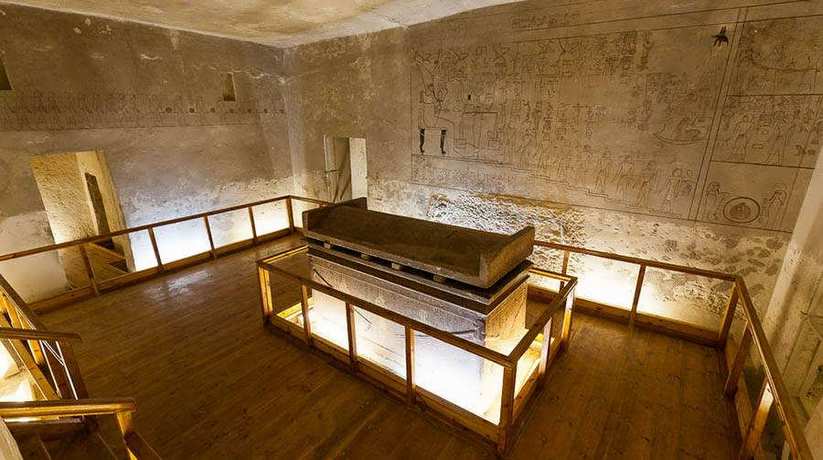
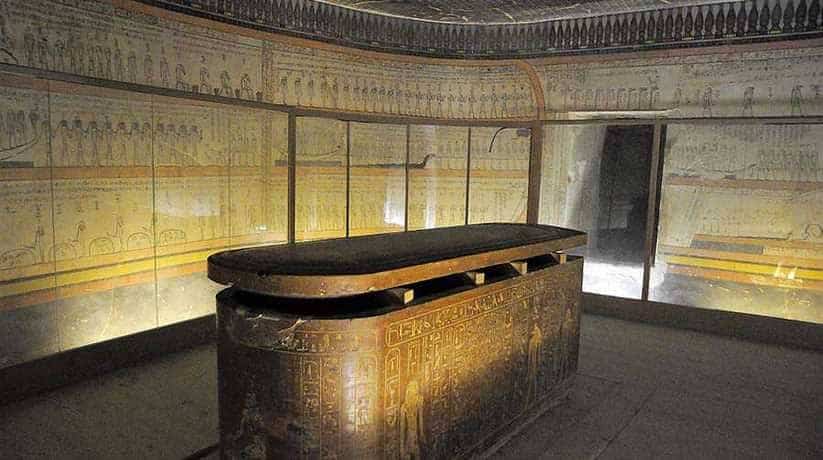
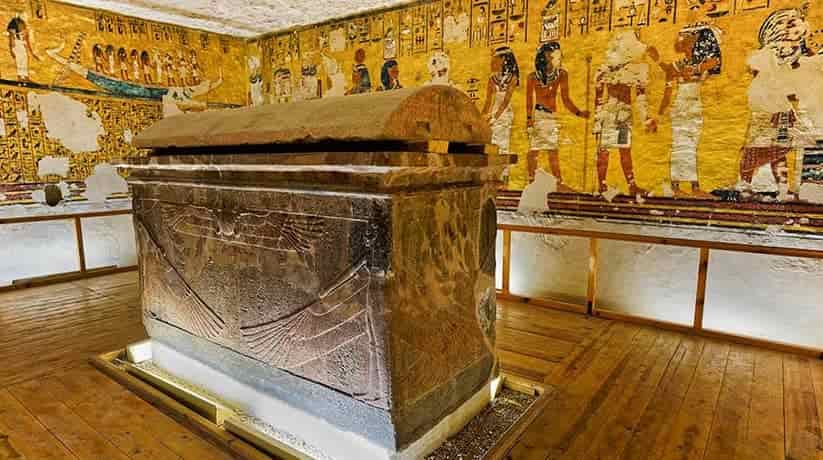
The antechamber and the burial chamber are proper. The painting in Horemheb tomb Luxor much more sophisticated than many earlier tombs. They produced by more skillful artists. They vary the stances, gestures and clothing of the figures. There is also an extensive use of color. In fact, it features multicolored hieroglyphs and blue-green backgrounds. From here, Horemheb leads to a two-pillar hall and then to a third corridor and finally a vestibule. The burial chamber with its six pillars and four lateral and one back annex are next. The annexes used to store funerary equipment. In fact, the king’s large, red granite sarcophagus and the walls are in the burial chamber. Walls painted with the fifth division from the Book of Gates, including a figure of Osiris.

More details about Horemheb tomb Luxor Egypt:

The sarcophagus is interesting from the standpoint. It incorporates features both from before and after the Amarna period, making it transitional. The gable-ended lid is completely unique. In fact, there was considerable funerary equipment which found within the tomb. Some wooden (cedar and acacia) images, broken by the rubbish discovered. Also smashed were alabaster canopic jars. It features portrait-headed stoppers and four miniature lion-headed embalming tables. Other items of funerary equipment included.

Entrance to Horemheb tomb Luxor Egypt:

The tomb opened in April 2002. Ticket for the Valley of Kings cost 80 Egyptian pound for three tombs. It includes Horemheb tomb Luxor. It can bought at the gate. Photography inside the tombs strictly forbidden and can incur heavy fines. There is a little train – Taftaf – that runs from the coach park to the entrance to the monument area. It costs 5 Egyptian pound.
Nearby attractions Information, tours and Online Booking

More of Ancient Egypt

More of Egypt attractions

MORE
Medinet Habu Luxor Egypt

Medinet Habu Luxor Egypt

  • Medinet Habu Luxor Egypt
  • Medinet Habu Luxor Egypt
  • Medinet Habu Luxor Egypt
  • Medinet Habu Luxor Egypt
  • Medinet Habu Luxor Egypt
  • Medinet Habu Luxor Egypt

Medinet Habu Luxor Egypt tours, prices, booking, reviews

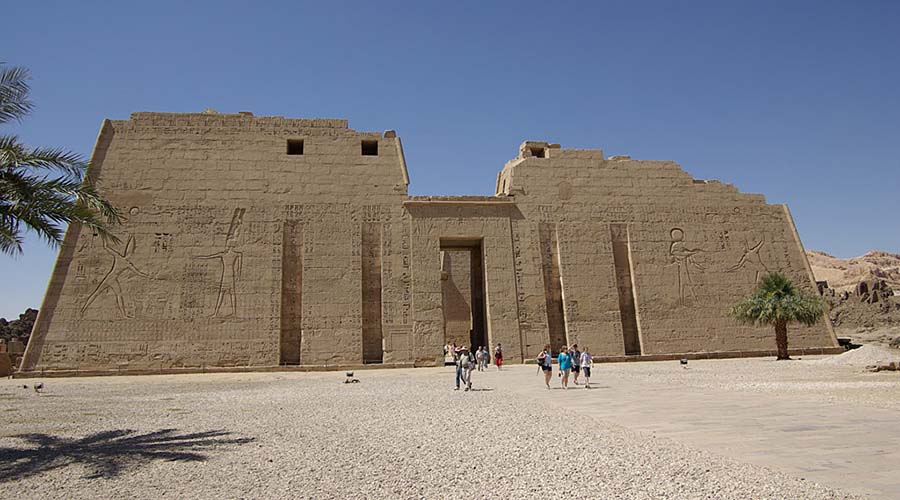
Medinet Habu Luxor Egypt (City of Habu) located in the west bank in Luxor. The ancient Egyptian name of Medinet Habu was Djamet. It means meaning males and mothers. Its holy ground believed to be where the Ogdoad, the four pairs of first primeval gods buried. In fact, the site was both a temple and a complex of temples. It dates back to the New Kingdom. It adjoins the cultivation at the southern end of the Theban necropolis. The area was one of the earliest places within the Theban region to associated with the worship of Amun. The Hatshepsut and Thutmose III built a small temple to Amun on the site of an earlier structure. Next to their temple, Ramses III built his mortuary temple. It is Medinet Habu Luxor’s most conspicuous standing monument.

Ramses III then enclosed both structures within a massive mud-brick enclosure. It included storehouses, workshops and administrative offices. It also included residences of priests and officials. On the grounds of the entire temple complex are many other structures. It is besides the small temple. There are the memorial chapels of the Divine Adoratrices of Amun. Less well preserved is the memorial temple of King Horemheb. He usurped it from his predecessor Ay. The temple stands on the north side of the Ramses III enclosure. To its east are many of tomb chapels made for high officials of the later new Kingdom.

Further details about Medinet Habu Luxor Egypt:

The main temple at Medinet Habu Luxor is the great memorial temple of Ramses III. In fact, it indeed the best preserved of all mortuary temples of Thebes. Moreover, it called the Mansion of Millions of Years of User-Maat-Re Meriamun. It is the throne name of Ramses III. In fact, it contains more than 75,350 sq ft of decorated surfaces across its walls. The temple precinct measures about 700 feet by 1000 feet. It entered by two stone gates in the mud brick enclosure wall. It is on both the eastern and western sides. The western gate destroyed when the temple besieged during conflict in the reign of Ramses XI. The eastern entrance fronted by a quay, at which the boats that came in via the canals could moor.

The processional way led first between two porters lodges. They set into a low stone rampart. Moreover, they built in front of the main enclosure wall and then into the precinct. The rampart itself was a large gateway of distinctive design. It modeled after a western Asiatic migdol or fortress. The gateway side fronted by guard houses. They decorated with images of the king trampling enemies of Egypt and sculpted figures of the monarch. Moreover, they stand atop the heads of captives project from the walls. A large relief representation of the god Ptah was here. It had the power to send the prayers of those unable to enter the temple. They enter to the great god Amun. The upper rooms of the gate-house functioned as a kind of royal retreat or harem. Their walls graced with representations of the king relaxing with young women.

More details about Medinet Habu Luxor Egypt:

Perhaps it was here that the attempted assassination of Ramses III took place. The temple itself is a smaller copy of the Ramesseum which built by Ramses II. Its massive outer pylons are the most imposing of any temple in Egypt. They decorated with colossal images of the king destroying captured enemies before the gods. The temples outer walls also depict important battle and victory scenes. They are over the Libyans and Sea Peoples. These scenes continued into the first court. On the northern side of Medinet Habu court were large statues of king Osiris. On the south, there is a columned portico with the window of appearances. It is in which the king stood or sat during formal ceremonies and festivities. The large statues of the second court of the site destroyed. It was in the early Christian era when the area converted into a church.

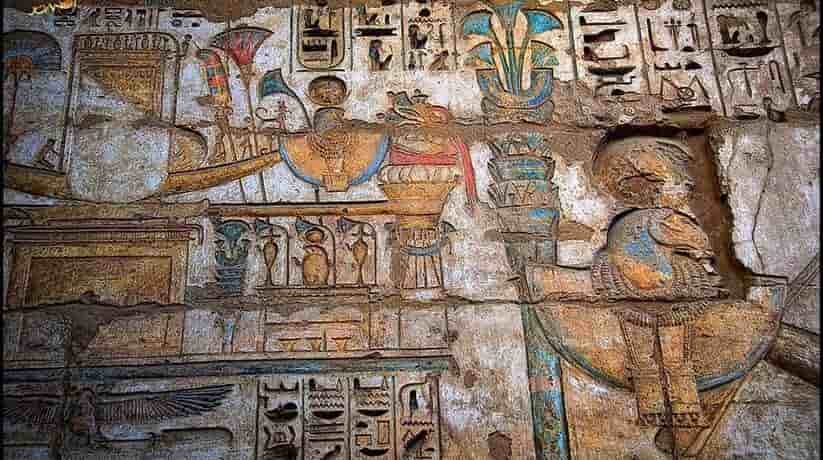
Relief scenes in Medinet Habu Luxor still in good condition. They depict rituals connected with the god Min. On the rear wall of the portico, a procession of the kings many sons and daughters. The second court of the site, devoted to scenes of religious processions. They belong to Min and Sokar. The Hypo-style hall suffered too much. The columns reduced to a small fraction of their original height. In the southwest corner of the site is a treasury building. It is with scenes depicting some of the temple equipment. The weighing of gold, depictions of sacks of gold, and precious stones also appear on the walls. Other temple valuables kept in a better concealed building. It is immediately in front of the north wall of the sanctuary.

Further details about Medinet Habu Luxor Egypt:

Off to the left of the second Hypo-style hall is the funerary chamber of Ramses III. It is with the god Thoth who shown inscribing the kings name on the sacred tree of Heliopolis. The focus of the main axis of the temple is the sanctuary of Amun. It was once finished in elect-rum with a doorway of gold. The doors themselves of copper inlaid with precious stones. Behind the sanctuary lies a false door for Amun-Ra united with eternity. It is the divine form of Ramses III. On the southeastern side of the temple are the remains of a royal palace. It was much smaller than the kings main house. In fact, it served as a spiritual palace as well as the occasional royal visits. Moreover, it decorated with glazed tiles. Its bathrooms lined with limestone to protect the mud-brick.

From the palace, the king could enter the first court. He also could peruse it from a window of appearances on its southern side. To the right of the complex entrance of Medinet Habu Luxor stands the earliest section of the complex. It called The Small Temple. Moreover, it founded in the 18th Dynasty and expanded and usurped under later dynasties. It stood on one of the most sacred spots in all Egypt. It is the primeval hill which first rose out of the receding waters of Chaos. An inscription describes it as the burial place of the four primal pairs of gods. The core of this temple begun by Hatshepsut and Thutmose III. But her name later replaced by those of Thutmose I and II. The structure incorporated into Ramses temple complex. It eclipsed by the construction of the mortuary temple.

More details about Medinet Habu Luxor Egypt:

Its entrance later replaced by a pylon of the Nubian King Shabaka. And then, it usurped by his nephew Taharqa. A small fronting gateway built during the 26th Dynasty at Medinet Habu. To the north of this Small Temple are the sacred lake. It called Nilometer. It is actually a well with a passage leading down to groundwater level. Inside and to the left of the eastern gateway of the site are a group of chapel-tombs. They belonging to the 25th and 26th Dynasties Gods Wives of Amun. They ruled Upper Egypt at that time.

On the lintels above the entrances to these chapels may still seen the “Appeal to the Living”. It encouraged passers-by to repeat the Offering Formula. It was for the Kas of these powerful women. Because of its strong fortifications, Medinet Habu Luxor became a refuge in chaotic times. The workmen of Deir El Medina moved there during the late 20th Dynasty. The remains of the house of one Butehamun, a village scribe, can still seen there at the western end. During the Christian era, the entire area covered by the Coptic town of Djeme. Even the great temple itself filled with dwellings and one court used as a church.

Nearby attractions Information, tours and Online Booking

More of Ancient Egypt

More of Egypt attractions

MORE
Mummification Museum Luxor

Mummification Museum Luxor

  • Mummification Museum Luxor
  • Mummification Museum Luxor
  • Mummification Museum Luxor
  • Mummification Museum Luxor
  • Mummification Museum Luxor
  • Mummification Museum Luxor
  • Mummification Museum Luxor

Mummification Museum Luxor Egypt tours, prices, booking

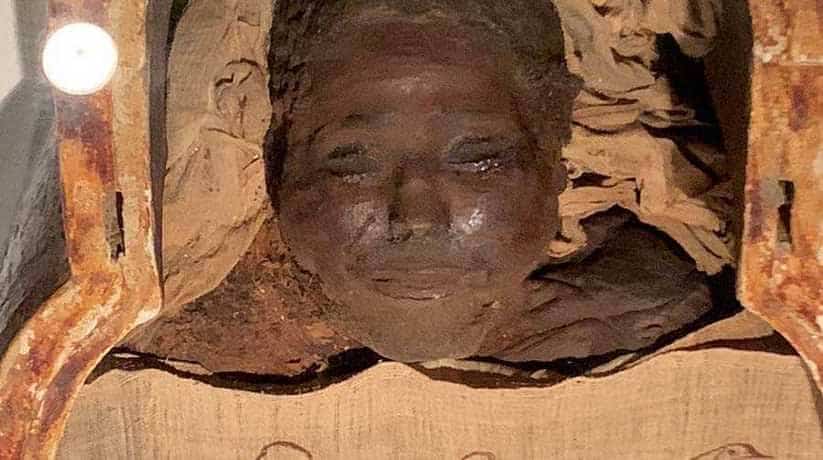
Mummification Museum Luxor located on Luxor city in Egypt. The mummification museum in Luxor indeed is amazing place. It is the best palace to learn about the most powerful secrets of the pharaohs. In fact, Mummification word comes from the Persian word “Mummya” which means bitumen or pitch. It sets in an underground hall on the Nile, next to the national ferry on the east bank. The ancient Egyptians imagined the underground world of the dead. It is where Osiris dwelt, though this actually changed over time. From early times, they protected the afterlife of the dead by mummification. They offered, wrote the name of the deceased and utterances in their calls. The collection of ancient funerary spells known as the Pyramids Texts tell us:

“Secure your head to the bones” (spell 13).

“Collect your bones. Gather together your limbs and throw the sand from your flesh” (spell 373).

“The spirit is for the heavens, the corpse is for the Earth”.

The survival of body is necessary for survival of the seven different elements of their being. In fact, that was the Ancient Egyptians belief. They include the physical body which mummified and wrapped in linen. It should protected with various amulets in a coffin and deposited within it’s tomb. Ka represented the vital life force. It created at the same time as a man’s body, which it resembled in every respect. Moreover, it was free to move between the burial chamber and the funerary statue. Ba often represented by a human headed. Ba bird with features of the deceased could take any shape. It revisited the world of the living and traveled across the sky in the sun-god’s boat. It always returns to reunite with it’s corpse in the tomb.

Further details about The Mummification Museum in Luxor:

The Akh was the most of spirits that severed all ties with mortal remains. It was to join the cold and imperishable stars. This beneficent spirit gained through piety and good deeds. The Ib represented the aware heart. The heart could determine the worth of its owner during judgment. Moreover, the Rn carved on the walls of the tombs and hymns chanted to keep the deceased’s name forever. The Inseparable Shadow, called the “shwt”. The shadow remained with the body. They also believed that the preservation of the physical body form is essential. It is essential for survival in the afterlife. This is because they believed that the destruction of the body would mean the decay of the soul.

In fact, all these elements displayed in the Mummification Museum in Luxor. Two other symbols that were vital for the Egyptians in the mummification process. They are Ankh, (key of life), which was the symbol of life itself and Djed Pillar. It is the symbol of stability, thought to perhaps linked with the backbone of Osiris. Of course, the mummification process changed somewhat over time. After death, the body of the deceased brought to the pre-nefr” or the place of mummification. Pre-nefr means “the beautiful house”. The body stripped of its clothes, and the embalmers wash the body with sacred water. Sacred water taken from a sacred local lake.

More details about The Mummification Museum in Luxor:

A chisel passed through the ethmoid bone into the cranial cavity. With a spatula they cut the brain into small pieces. Then a hooked rod inserted, and turned to make the brain liquefy. It is to extract the brain through the nostrils. After that, they cleaned the skull cavity with palm wine and stuff it with linen. And then, They pour resinous liquid into the skull. After treating the head, the embalmers moved to the trunk of the body. The viscera extracted through an incision which usually made in the left side of the abdomen. Through it, they extracted all the entrails except the heart. The thoracic and abdominal cavities cleaned and rinsed with palm-wine. And then, treated with powder and ointment.

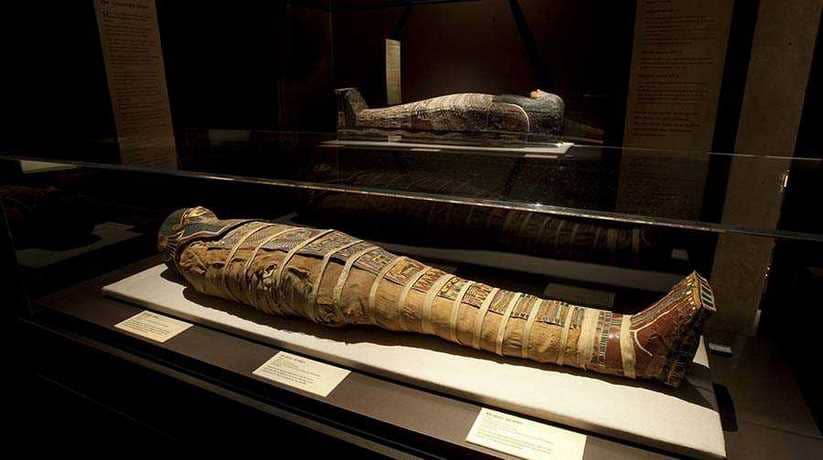
The Mummification Museum in Luxor shows a mummified vertical section of a body. It is to show the result of this process. The Mummification Museum in Luxor also shows the instruments used in the process. They are like the scissors, scalpel, and cutters. Ancient Egyptian placed each organ in one of four so-called Canopic jars. These jars take the form of the four sons of Horus, who protected the mummified viscera. After they finish the extraction of the viscera they wash the body cavity with palm-wine. Then they insert into the thoracic and abdominal cavities temporary stuffing materials. They enclosed in linen packets containing dry Natron. It was to speed dehydration of the body tissues and fats. Other packets were full of sawdust to absorb liquids.

Further details about the Museum of Mummification in Luxor:

The next and final stage in the embalming process was the treatment of the whole body with Natron. A type of salt, it extracts the water in the body tissues, drying it out to dehydrate the body. They placed the body in a heap of solid Natron on a slanting bed. Moreover, they piled the Natron around the body for forty days. The temporary stuffing packages and the Natron dries the body. They changed by the embalmers. After forty days, the body taken out of the Natron. The temporary stuffing packages removed from the thoracic and abdominal cavities. They wash the chest and abdominal cavity with palm wine and stuffed it with fresh dry materials. Moreover, they include perfumed cloth packing, Nile mud, myrrh and cassia. They also include linen, resin, saw dust, and one or two onions.

Furthermore, they then close the two lips of the incision with linen string. After that the body anointed with cedar oil. The mouth, ears, and the nose sealed with bee’s wax or linen in molten resin. The body wrapped with linen. The aim of the wrapping was to preserve the mummy. Binding used to keep the wrapping tight and in place. Many of the substances used in mummification displayed at the The Mummification Museum in Luxor. It including Natron. It still mined from the area of Wadi El Natrun west of the delta near the north coast of Egypt. Other substances can even purchased today from many spices dealers spread all around Luxor. The Mummification Museum in Luxor even shows a bottle that contains the mummification liquid.

More details about The Mummification Museum in Luxor:

The embalmers who mummified Amun Tef Nakht left much of mummification materials with him. It was when the tomb of Amun Tef Nakht. This liquid came from results of the interaction between these materials and the body. The Mummification Museum in Luxor demonstrates this process clearly. There are drawings, copied from many tombs all over Egypt which mummification process. There is, for instance, the scene of the deceased and his wife sitting down before the offering table. Their son wears the leopard skin and makes various offerings to his parents. This scene displayed in The Mummification Museum in Luxor. It copied from the burial chamber of the tomb of Sennefer. Another scene from a papyrus of a royal scribe. It depicts the mummy on a funeral bier between Isis and Nephthys in the form of two birds.

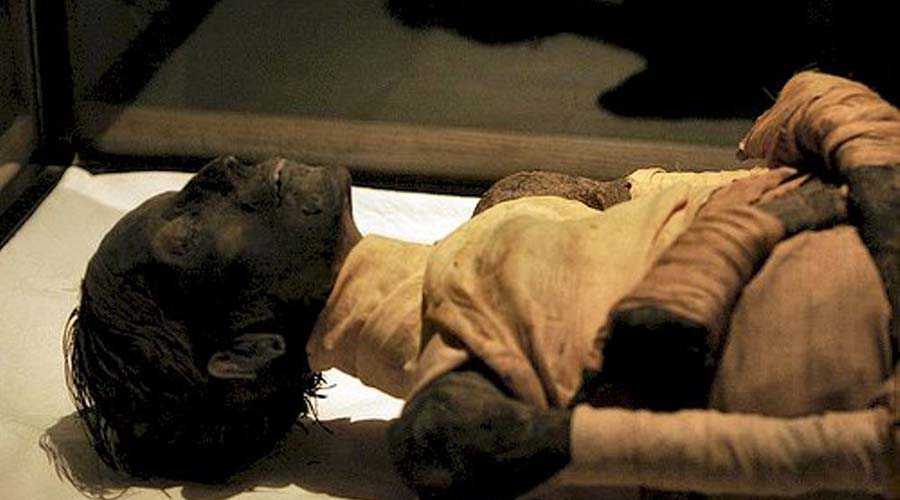
The most important displays in the The Mummification Museum in is the mummy of Masaharta. He is the son of King Panedjem, from the 21st Dynasty. He was a high priest of Amun and an army general during that dynasty. This mummy found in the Dier El Bahari cache. Deir El Bahari contained the mummies of some forty kings, queens and other royalty. The funerary boat is another important cultural display in the Mummification Museum in Luxor. These used to carry the mummy to the west bank. It was in the presence of the goddess Isis, mother of Horus, wife of Osiris and Nephthys, mother of Anubis. Another important display is an Osiris statue. He is the father of Horus and the brother of Isis. He thought to have been the first to mummified by Anubis and the first one who raised in the afterlife.

Further details about The Mummification museum in Luxor:

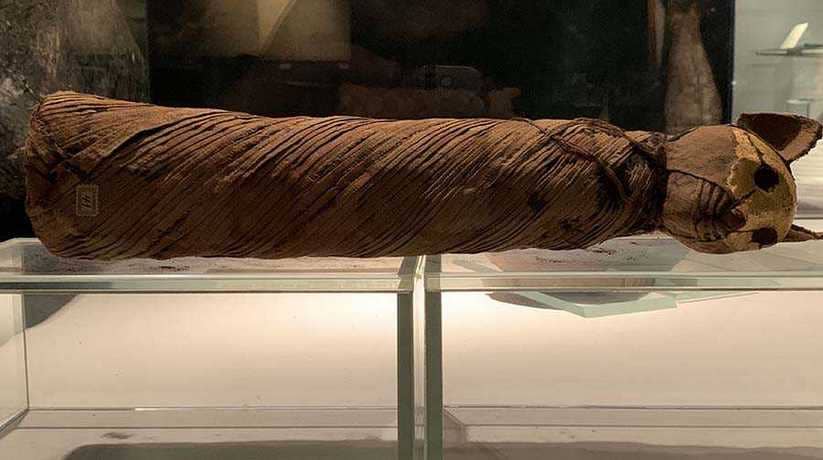
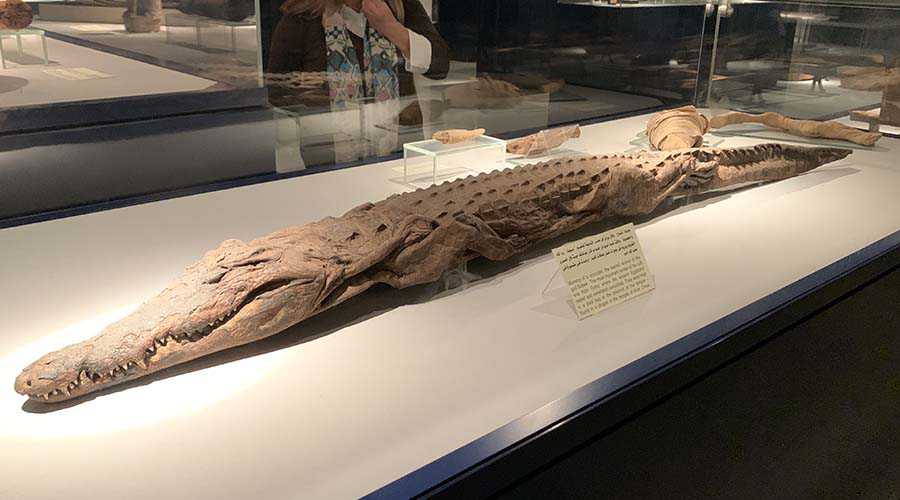
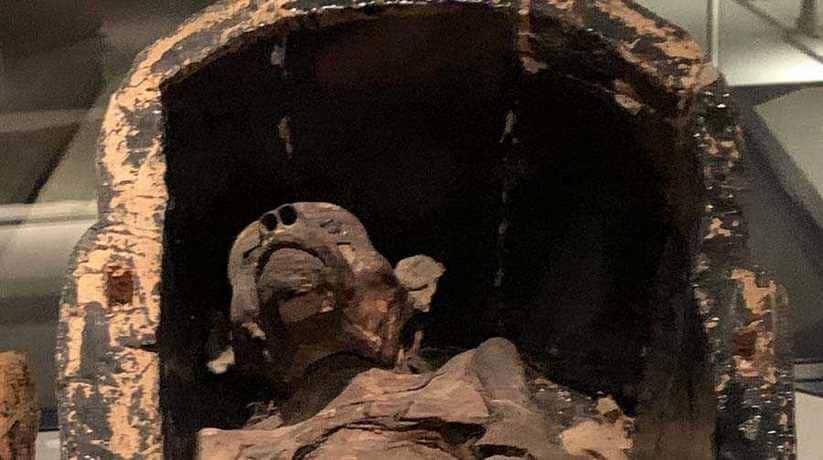
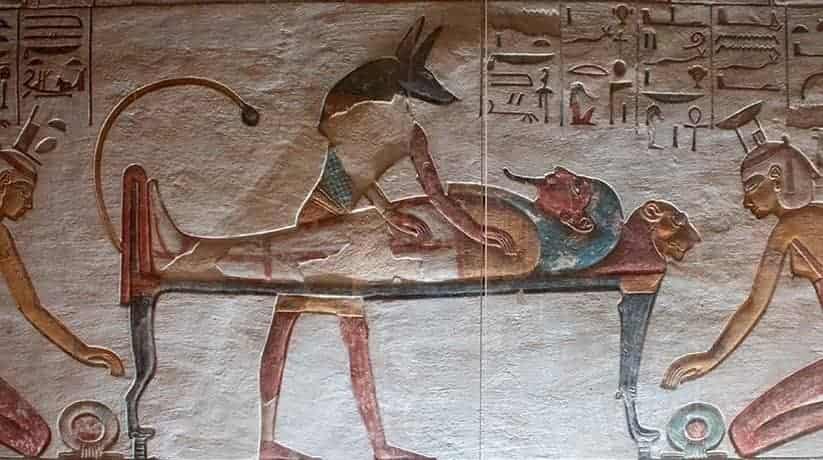
He is the lord of the Judgment hall, the god of the dead. He also was one of the most famous Egyptian gods, particularly in later times. There is also Anubis, the jackal god. The myth tells that Anubis mummified the body of Osiris with the help of the four sons of Horus. Egyptian religion gave Anubis many titles. They are such as the god of mummification and the one who protected the dead. In Mummification museum in Luxor there is a interesting collection of mummified animals. There is a mummy of a fish, which is the symbol of rebirth. The fish cult center was Esna. The Nile is famous for this kind of fish, called the Nile lattes fish. There is also a mummified baboon.

Baboons considered the manifestation of the god Thoth, who considered the god of scribes. He also was the measure of time and the god of the moon. In the judgment hall of Osiris, Thoth stands by the side of the balance. He holds a palette and records the results of the weighing of the heart as announced by the dog-headed ape. He sits on the middle of the beam of the scales. There is also a cat mummy, the sacred animal of the god Bastet. The most wonderful animal mummy is that of a ram because it held inside a gold coffin. It represents the sacred animal of the god Khnum. Khnum was a creator god whose cult center was Elephantine. The last section of the museum is the coffins section. The pharaohs gave great attention to their afterlife. A big element of this attention was the coffins.

More details about The Mummification Museum in Luxor:

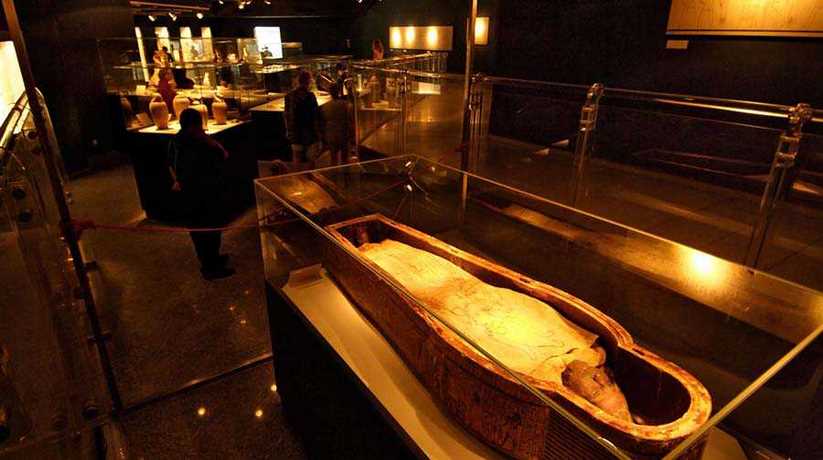
There is the beautiful coffin cover of Padi-Amun, the high priest of Amun. It has lotus flowers on its forehead and a wig. There is also the coffin cover of Masaharti, without the face and hands. It is because the thieves found it and took these golden pieces. The lights in the museum muted with only special spotlights on the displays. The Mummification Museum in Luxor isn’t large but each display is a story in itself. Each display reflects a important section of the old Egyptian history and culture. The museum provides an overview of the processes surrounding the death of ancient Egyptians. And thus insight into the tombs that frequented by tourists. The bookshop at the Mummification Museum in Luxor indeed is an excellent place. It is to pick up material on this fascinating topic.

Nearby attractions Information, tours and Online Booking

More of Ancient Egypt

More of Egypt attractions

MORE
Luxor tombs Egypt

Luxor tombs Egypt

  • Luxor tombs Egypt
  • Luxor tombs Egypt
  • Luxor tombs Egypt
  • Luxor tombs Egypt
  • Luxor tombs Egypt
  • Luxor tombs Egypt
  • Luxor tombs Egypt
  • Luxor tombs Egypt
  • Luxor tombs Egypt
  • Luxor tombs Egypt
  • Luxor tombs Egypt
  • Luxor tombs Egypt
  • Luxor tombs Egypt
  • Luxor tombs Egypt

Luxor tombs Egypt information, tours, prices, booking

Luxor tombs Egypt include Amenherkhepshef tomb. It referred by QV 55, located in Valley of Queens in West bank of Luxor. Amenherkhepshef is the son of Ramses III and the Great royal wife Titi. In fact, Titi listed in the tomb (QV 52) as God’s Wife and God’s Mother. Moreover, her tomb lies nearby and includes some of the same titles on its walls. The tombs of the sons of Ramses III indeed are the finest monuments in the Valley of the Queens.

Luxor tombs Egypt also include Amenhotep II tomb KV 35 which discovered in 1898 by Victor Loret. It is similar in plan to that of his predecessor Thutmose III. In fact, it is one of the most beautiful tombs in the Valley. The discovery was rather spectacular. It is because the tomb contained the burial of the king and his son Webensenu. Amenhotep II tomb is a large tomb with complex architecture.

Further details about Luxor tombs Egypt:

Luxor tombs also include Ankh hor tomb which is one of a series of large tombs in the Asasif area. The area located in the West Bank of Luxor. In fact, the tomb built at the end of the Third Intermediate Period. It built for high officials in the estates of the Gods Wives of Amun. The great importance of the Gods Wives during this time reflected in the size of the tombs. Moreover, these tombs of their chief administrators, that of Ankh-hor being no exception.

Luxor tombs Egypt also include Ay tomb WV 23 which belongs to King Ay, Tutankhamun’s successor. In fact, it found in the Western Valley. The Western Valley branches off at the entrance to the main Valley of the Kings. Moreover, only two completed king’s Tombs found here to date. The other being the tomb of Amenhotep III (WV 22). It recently undergoing re excavation and restoration. In fact, the burial place of Ay tomb Luxor discovered in 1816.

More details about the sites:

Luxor tombs also include Horemheb tomb which discovered by a young British Egyptology man named Edward Ayrton. It was in 1908. Horemheb was the successor of Ay, who in turn, had succeeded Tutankhamun as pharaoh of Egypt. He actually not related to the earlier kings of the 18th dynasty. Though he served in the courts of first Amenophis IV, and then Tutankhamun and finally Ay. Horemheb was a royal scribe and general of the armies at various times. He restored the old worship of Amun. Furthermore, he also reconstructed the provincial administration and military cadres.

Luxor tombs Egypt also include Inherkhau tomb TT 359. The tomb located in the necropolis of Deir el Medina on the West Bank at Luxor. In fact, the tomb indeed has rich and refined decorations. Moreover, the tomb represents some of the best artistic work of the 20th Dynasty. The tomb is the only tomb in this necropolis that we know which dates back to that dynasty. There are decorations in an upper chamber and the burial chamber. Furthermore, all painted on a yellow background.

Further details about Luxor tombs Egypt:

Luxor tombs also include Khaemhet tomb TT 57 which is a private tomb. In fact, it located on the West Bank at Luxor (ancient Thebes). Khaemhet (also known as Mahu) was the “Overseer of the Granaries of Upper and Lower Egypt”. Moreover, he also was a Royal Scribe. He married to his wife named Tiyi. Khaemhet tomb gives a lot of attention to another scribe by the name of Imhotep. We do not no much about the rest of his family. For example, children do not appear to pictured on the walls of Khaemhet tomb in Luxor.

Luxor tombs Egypt also include Khaemwaset tomb QV 44. The tomb located in the Valley of the Queens in the West Bank of Luxor. In fact, Khaemwaset is one of the sons of Ramses III. The tomb discovered in February 1903. It is with a many sarcophagi which pilled up in the entrance corridor. This was a clear sign that it used for common burial. In fact, Khaemwaset had among his most important roles, that of Priest of Ptah in Memphis.

More details about the sites:

Luxor tombs also include Kheruef tomb. It found in the area of Asasif, to the south of Deir el-Bahri in Luxor. Kheruef, also called Senaa, was Steward of the Great Royal Wife, Tiye. It was during the reign of Amenhotep III and Amenhotep IV. In fact, the tomb complex is large, as befits a man in his exalted position. Moreover, the tomb unfinished at the time of his death (he never buried in the tomb). Most of the inner rooms of the structure closed off. The tomb entered down a staircase and passage. The passage also leads to a large open court leading to several other later tombs.

Luxor tombs Egypt also include Khonsu tomb TT 31 which located in the west bank of Luxor. The tomb of Khonsu in Luxor has many lovely paintings. They depict the cult of the god Montu and Thutmose III. In fact, Khonsu (also called To) was a priest of the cult of Thutmose III. His title was “First Prophet of Menkheperre”, during the reign of Ramses II. Two offering stelae set up against the wall at either side of the entrance to Khonsu tomb.

Further details about the sites:

Luxor tombs also include Menna tomb which found in the upper enclosure at Sheikh Abd el-Qurna. In fact, the tomb well-known for its superb wall paintings of scenes of daily life. The scenes depicted in bright colors. The classical private tombs on the West Bank at Luxor referred to as T-shaped. It particularly those located on the slopes of Sheikh Abd el-Qurna. The tomb is in the area which known as the Tombs of the Nobles. The tomb has an entrance corridor or a courtyard.

Luxor tombs also include Merneptah tomb KV 8 which located in a small, lateral valley. It is on the right side of the main wadi in Luxor. In fact, Merneptah was a son of Ramses II and Queen Isis-Nofret. The tomb discovered by Howard Carter in 1903. Howard Carter was not as famous then. As he would not make his well known discovery of Tutankhamun tomb until 1922. Moreover, the tomb is near his father’s huge tomb (KV 7). When discovered, the tomb was full of debris and stood open since antiquity.

More details about Luxor tombs Egypt:

Luxor tombs also include Nakht tomb TT 52 which located in Sheikh Abd el-Qurna, part of the Theban Necropolis. The tomb is on the west bank of the Nile, opposite to Luxor. It is the burial place of the Ancient Egyptian official, Nakht. Nakht was a scribe, holding the title, “Astronomer of Amun” at the Karnak temple. It was during the 18th dynasty. In fact, his job was to study the location of stars, the sun and moon. It was schedule festivals and cult rituals for the temple.

Luxor tombs Egypt also include Pabasa tomb which located at Asasif in West bank of Luxor. It belongs to Pabasa who also called Pabes. In fact, the tomb is just outside the entrance to Hatshepsut’s Temple at Deir El Bahri. Moreover, Pabasa was the “Chief Steward of the God’s Wife Nitocris” (Neitiqert). It was during the reign of Saite king Psamtek I. Furthermore, Pabasa was like Ankh-hor, who held this important title after him. Furthermore, the tomb still has a large mud brick superstructure. It also has a steep flight of stairs.

Further details about the sites:

Luxor tombs also include Pashedu tomb TT 3. The tomb of Pashedu located in the necropolis of Deir El Medina on the West Bank at Luxor (ancient Thebes). Little known about this individual. He had the title, “Servant in the Place of Truth on the West of Thebes”. In fact, the tomb itself dated back to the early years of Ramses II. That is why the deceased began working while Seti I was King. Pashedu’s father, Menna, worked for Amun temple on the East bank. Pashedu was the first member of his family to work with the community at Deir El Medina.

Luxor tombs Egypt also include Queen Nefertari tomb QV 66 which discovered in the Queen’s Valley in 1904. In fact, Queen Nefertari tomb hewn out in the Valley of the Queens. Moreover, it called by the ancients “The Place of Beauty”. The tomb indeed is the most beautiful in the Valley of the Queens. It is on the whole worthy of her position in history. The tomb features decorative motifs on walls and ceilings which indeed are mythological. In fact, they concerned with life in the netherworld and meetings with gods.

More details:

Luxor tombs also include Queen Titi tomb QV 52 which located on the West Bank at Luxor (ancient Thebes). It is in the area which known as the Valley of the Queens. Queen Titi tomb is somewhat smaller in scale than many other royal tombs of the 20th Dynasty. It damaged by later reuse. Though we are not sure about the position which Titi held within the Ramesside royal court. We believe that Queen Titi maybe was a wife of Ramses III and maybe also was his daughter.

Luxor tombs Egypt also include Ramses III tomb KV 11 which is a complex system. It known since antiquity. In fact, the tomb explored during modern times by James Bruce in 1768. Later, William Browne gained access to the burial chamber in 1792. Belzoni removed the sarcophagus and lid, which are now in the Louvre Museum. In fact, he named it the “Tomb of the Harpists”. It is due to a bas relief representation of two blind harpists.

Further details:

Luxor tombs also include Ramses V tomb which situated just behind Tutankhamun tomb in the Valley of Kings. In fact, the tomb also has Ramses VI tomb. The decoration from the entrance as far as the well-room done for Ramses V. It not known for certain whether the pharaoh, who ruled for only four years, ever buried in the tomb. In fact, the tomb completed by his successor Ramses VI. His sarcophagus fragments found in the burial chamber.

Luxor tombs Egypt also include Ramses VII tomb KV 1. The tomb is open since antiquity, at least since Greek and Roman times. It mentioned in more recent times by Wilkinson, Lane and Hay. The tomb also mentioned in other 19th century travelers. Later still, Davis may have done some work in the tomb between 1905 and 1906. There is no information on its actual clearing earlier in the 20th century. The tomb seen some clearing activity by the Egyptian Antiquities department after 1952. Since 1984, Edwin Brock has worked the tomb, at first clearing the pit in the burial chamber floor.

More details:

Luxor tombs also include Ramose tomb which located in the village area of Sheikh Abd el-Qurna. In fact, Ramose was “Governor of the Town” (Thebes) and Vizier during the Dynasty XVIII transition. It was in the reigns of Amenhotep III and IV. The tomb indeed reflects his important position in the royal court and. Moreover, it represents the change in style towards “Amarna art”. In fact, it is uncertain whether the deceased ever buried in the tomb. Maybe he followed Akhenaten to his new capital Akhetaten. But no tomb has found for Ramose there.

Luxor tombs Egypt also include Ramses I tomb KV 16. It is one of the smallest tombs in the Valley of the Kings. The Valley of the Kings located in the West bank of Luxor. In fact, Ramses I is the founder of the great lineage of Ramessid rulers. Moreover, he was a soldier. He chosen by Horemheb. In fact, Horemheb also began his career as a soldier, to be his successor. Ramses I regarded as the first ruler of Egypt’s 19th Dynasty. But only ruled for less than two years. In fact, Ramses I tomb discovered on or before October 11, 1817 by Giovanni Battista Belzoni.

Further details:

Luxor tombs also include Ramses IV tomb KV 2 which situated in a large modern courtyard. The courtyard is near the entrance to the Valley of Kings in Luxor, Egypt. Coptic graffiti suggests that it reused as a Christian church or dwelling. It was during the 5th century AC. An ancient plan of Ramses IV drawn on papyrus is now in the Turin Egyptian Museum. In fact, the original plan was for a larger tomb which amended at the death of the king. The abbreviation means that there is no traditional pillared hall before the burial chamber.

Luxor tombs Egypt  also include Rekhmire tomb which located on the south-eastern slope of the upper enclosure. It is at Sheikh ‘Abd el-Qurna, a little below the tomb of Sennefer (TT 96). Rekhmire was “Governor of the Town” (Thebes) and “Vizier”. It was during the reigns of Thutmose III and Amenhotep II of Dynasty XVIII. As the highest civil official of the land, Rekhmire built his tomb as a simple T shaped structure. It is in the traditional style, although on a larger scale. Moreover, the tomb has the unusual features of a long passage with a sloping ceiling. The passage does not contain a burial shaft.

More details about Luxor tombs:

Luxor tombs also include Roy tomb TT 255 which located in the West Bank of Luxor (ancient Thebes). The tomb is in the region which known as Dra’ Abu al-Naja, at the northern end of the Theban necropolis. Moreover, Roy tomb is on the hillside just before the road turns off towards the Valley of the Kings. It is one of two in this area that have recently opened to the public. In fact, Roy tomb is a small tomb with only a single chamber. The chamber includes a burial shaft which measures about 1.85 by 4 meters. It also preceded by an open courtyard.

Luxor tombs Egypt also include Sennedjem tomb TT 1. The tomb located in the necropolis of Deir el Medina on the West Bank at Luxor. It indeed was one of the great discoveries which found in tact by Italian archaeologists in 1886. Nothing had disturbed, as was not even the case with the tomb of Tutankhamun. In fact, all the decorations within Sennedjem tomb, painted on a background of yellow ocher. They are intact and indeed some of the most beautiful within the necropolis. In fact, Sennedjem had the title “Servant in the Place of Truth”.

Further details about Luxor tombs:

Luxor tombs also include Sennefer tomb TT96 which is famous for for its decorations. In addition, Sennefer well known as “The mayor of Thebes”. The tomb situated high on the southern hillside of Sheikh Abd El-Gurna. It is on the West Bank at Luxor (ancient Thebes). The is in an area which known as the Tomb of the Nobles. Moreover, it is close to several other tombs of the time of Amenhotep II. This also include the well known tomb of Rekhmire (TT 100). The tomb overlooks the Ramesseum and the alluvial plain of the Nile. It takes the classic “T” plan of the private tombs.

Luxor tombs Egypt also include Seti I tomb KV 17. In fact, it is the longest, deepest and most completely finished in the Valley of Kings. It is at more than 120 meters. Seti I tomb also represents the fullest development of offset, or jogged royal tombs in valley. The tomb discovered in October 1817 by the strongman of the early antiquarians. He was the Italian Giovanni Battista Belzoni. In fact, Seti I tomb still known as Belsoni’s tomb. The tomb discovered only a few days after the tomb of his father, Ramses I.

More details about Luxor tombs:

Luxor tombs also include Seti II tomb KV 15. The tomb known since antiquity and must have lied open during most of the classical period. It judged from the 59 Greek and Latin graffiti found on its walls. The tomb investigated by Pococke, along with others who followed after him. In fact, it was Howard Carter who cleared most of the tomb. Moreover, it was between 1903 and 1904. Though the ritual well never excavated. One may find the entrance to the tomb, rather than having steps cut below a retaining wall. It quarried into the base of an almost vertical cliff face.

Luxor tombs Egypt also include Shuroy tomb referred to tomb TT13. It is a small, T- shaped and two chambered structure on the West Bank at Luxor. In fact, the tomb belongs to Shuroy and his wife, Wernefer. Moreover, the tomb located at Dra Abu el-Naga. Shrouy was the Head of the Brazier Bearers in the Temple of Amun at Karnak sometime during the 19th Dynasty. It is while his wife was a singer of Amun. Furthermore, Shrouy tomb characterized by scenes drawn, sometimes only in red ink outlines.

Further details about Luxor tombs:

Luxor tombs also include Siptah tomb which found on the north face of a hill. The hill divides the southeast and southwest branches of the central wadi. It is within the Valley of the Kings on the West Bank at Luxor (ancient Thebes). In fact, It oriented north-south running straight for a distance of 114.04 meters into the hill. It also reaches a depth of about 13.12 meters. In fact, the name of Siptah means “Son of Ptah, Beloved of Ptah”. Moreover, King Siptah was the son of Seti II and Queen Tiaa.

Luxor tombs also include Tausert tomb KV 14 which known in fact as Tawosret and Setnakht tomb. It indeed is one of the most unusual tombs in the Valley of the Kings. Moreover, the tomb is also one of the largest tombs in the Valley of Kings. It encompasses two complete burial chambers. The tomb open and known since antiquity. Between 1983 and 1987, it studied in detail by Hartwig Altenmiller. The tomb built by Tausert, a queen and wife of Sethos II who later ruled Egypt as Pharaoh.

More details about Luxor tombs:

Luxor tombs also include Thutmose III tomb KV 34 which located in an almost inaccessible cleft. The cleft is in the southern end of Valley of the Kings. In fact, the entrance of the tomb reached by a steep climb up a modern staircase. The tomb discovered in 1898 by the workmen of Victor Loret. In fact, it is the earliest of the royal tombs which can visited at present. Moreover, the tomb built for the king in mid-Dynasty XVIII. There are two flights of steps and descending corridors.

Luxor tombs Egypt also include Thutmose IV tomb KV 43. It sited high in the southern cliff of the Valley of Kings. In fact, it discovered in 1903 by Howard Carter. The tomb stripped of valuable items in antiquity. Moreover, there were some funerary objects which found during excavation. The most interesting points of Thutmose IV tomb indeed are the construction and decoration. In fact, they show the development of style in tomb building during Dynasty XVIII. The tomb is like the earlier tombs.

Further details about Luxor tombs:

Luxor tombs also include Tutankhamun tomb KV 62 which located at the Valley of Kings in Luxor. The number of Tutankhamun tomb is KV 62. In fact, Tutankhamun was only the age of nine when he became king of Egypt. It was during the 18th dynasty of the New Kingdom 1332–1323 BC. The tomb discovered in 1922. It was by the archaeologist Howard Carter in the Valley of the Kings. His nearly intact tomb held a wealth of objects. Moreover, they give us unique insights into this period of ancient Egyptian history. Tutankhamun ruled after the Amarna age.

Luxor tombs Egypt also include Userhat tomb TT 51 which also called Neferhabef. It bore the title “First Prophet of the Royal Ka of Thutmose I”. It was during the reign of Seti I. His tomb is close to that of Khonsu in the village area of Sheikh Abd el-Qurna. In fact, it shows fine detailed paintings of the rituals about the mortuary cult of Thutmose I. The tomb also located in the West Bank of Luxor, Egypt. Moreover, the tomb has a courtyard containing a stela on the left hand side. It leads into a transverse hall.

Luxor tombs Highlights:

Load more

MORE
Luxor temples Egypt

Luxor temples Egypt

  • Luxor temples Egypt
  • Luxor temples Egypt
  • Luxor temples Egypt
  • Luxor temples Egypt
  • Luxor temples Egypt
  • Luxor temples Egypt
  • Luxor temples Egypt
  • Luxor temples Egypt

Luxor temples Egypt tours, prices, booking, reviews

Luxor temples include Amenhotep III temple which was the largest temple which built on the West Bank. It covered an area of 35 hectares and one of the largest religious structures in Egypt. At the time of construction in Dynasty XVIII, it would have superseded the temple of Amun at Karnak in size. Kom El Hetan is the modern name for Amenhotep’s temple. It located about half a kilometer to the south east of Medinet Habu. In fact, it stretches from the Colossi of Memnon back to the bend by the Antiquities Inspectorate. The temple decayed rapidly. It is possibly due to the water content of the land it built on.

Luxor temples also include Dendera temple which located about 60 kilometers north of Luxor. It is on the west bank of the Nile River and  opposite the provincial modern. Along with Dendera temple itself, there is also a necropolis. The necropolis includes tombs of the Early Dynastic Period. The most important phase that has identified was the end of the Old Kingdom. It is besides to the 1st Intermediate Period. In fact, the provinces were autonomous at that time and. Dendera was not a leading political force in Upper Egypt. Its notables built many Mastabas of some size. Though only one has any decoration apart from stelae and false doors. Moreover, on the west end of the temple site are brick which vaulted catacombs.

Further details about Luxor temples Egypt:

Luxor temples also include Hatshepsut temple. The temple built just north of the Middle Kingdom temple of Mentuhotep. In fact, it is in the bay of cliffs which known as Deir El Bahri. In ancient times, the temple called Djeser-djeseru, meaning the “sacred of sacred”. It influenced by the style of the earlier temple at Deir El Bahri. Hatshepsut’s construction surpassed anything which built before. It is both in its architecture and its beautiful carved reliefs. Moreover, the female pharaoh chose to site her temple in a valley sacred to the Theban Goddess of the West. It was on a direct axis with Karnak temple of Amun on the east bank. On the other side of the mountain was the tomb which Hatshepsut constructed for herself. In fact, the tomb located in the Valley of the Kings (KV 20).

Luxor temples also include Karnak temple in East bank of Luxor. The temple indeed is one of the greatest temples all over Egypt. Thebes was the capital of New Kingdom Egypt. In fact, the temple grown in importance throughout the Middle Kingdom, when it was a sanctuary of the god, Montu. Moreover, Karnak temple and Luxor temple together known as Waset. Thebes was the later Greek name for the town. The history of the temple and its gods told in three performances. They are in different languages each evening in a spectacular Sound and Light Show. In fact, the temple has the biggest temple complex in the world.

More details about the site:

Luxor temples also include Khnum temple which located at Esna town, 55 kilometer south of Luxor. That is why it called Esna temple. Nile cruises often make this town their first port of call after leaving Luxor. It is to visit the remains of Ptolemaic temple in the center of the town. In fact, the ancient name for Esna was Iunyn or Ta-Senet, classical Latopolis. The temple dates back to the Ptolemaic and Roman Period and one of the last temples built in Egypt. Moreover, it stands today in its excavation pit, 9 m below the modern ground level. The temple Luxor dedicated to the god Khnum. It also dedicated to several other deities including Neith, Heka, Satet and Menheyet.

Luxor temples also include Luxor temple which located in the center of Luxor city. In fact, the temple known as “Ipet-resyt” or “the southern Opet”. Moreover, it served as a focal point for the Opet festival. Once a year the divine image of Amun with his consort Mut and their son Khonsu would journey. The journey was in their sacred barques from Karnak Temple to Luxor temple. It was to celebrate the festival which held during the inundation. Opet’s primary function was religious. But the festival was also significant in maintaining the king’s divine role. The earliest remains found at the temple date back to Dynasty XIII. It is possible that there was a shrine or temple on this site. It was during the Middle Kingdom, but it became more prominent in Dynasty XVIII.

Further details about the site:

Luxor temples also include Mentuhotep II temple which is a mortuary temple. It located in the West Bank of Luxor, just next to Hatshepsut temple at Deir El Bahari. The temple had important historical overtures. So it is not surprising that various teams have investigated the site. It was the first temple in Western Thebes to house a cult to the goddess Hathor. Moreover, it foreshadowed a new theological concept of the “Temples of Millions of Years”. It is which would gain popularity during the New Kingdom. Lord Dufferin is the one who discovered the temple. It was in the later half of the 19th century. Henri Edouard and Henry Hall are the first modern scholars to examine the site between 1903 and 1907. They supported by the Egypt Exploration Fund.

Luxor temples also include the Ramesseum which is a funerary temple of Ramses II 1279–13 BC. It erected on the west bank of the Nile River at Thebes in Upper Egypt. In fact, The temple is famous for its 17 meter seated statue of Ramses II. Moreover, it dedicated to the god Amon and the deceased king. The walls of the temple, only about half preserved. Furthermore, they decorated with reliefs including scenes depicting Kadesh Battle and the Festival of Min. Kadesh is the Syrian wars. The temple identified with the “Tomb of Ozymandias”. The temple located in the Theban Necropolis. It is indeed a popular area for mortuary temples for Pharaohs in the New Kingdom. In fact, the Theban Necropolis located in Upper Egypt. Moreover, it stands across the Nile from the modern day city of Luxor.

More details about Luxor temples Egypt:

Luxor temples also include Seti I temple which indeed is the most northerly of the Theban temples. It situated just past the road to the Valley of the Kings, towards the village of El Tarif. The present entrance of Satis temple is through a gate in the northern wall. In fact, the temple begun by Seti I who named it “Glorious Seti in the West of Thebes”. The temple dedicated it to Amun-Re and the cult of the deified Ramses I. After Seti’s death, the building and decoration completed by his son Ramses II. Same like many of the West Bank Temples, it saw a great deal of re-use after the New Kingdom. The first is during the Roman Period when it seems to have been an area. It is where artisans worked. Later during the Coptic era when parts of the temple converted to a church and dwellings.

Luxor temples Highlights:

Amenhotep III temple Luxor
+View details
Egypt Nile cruises and hotels
Hatshepsut temple Luxor
+View details
Egypt Nile cruises and hotels
Load more

MORE
Nakht tomb Luxor Egypt

Nakht tomb Luxor Egypt

  • Nakht tomb Luxor Egypt
  • Nakht tomb Luxor Egypt
  • Nakht tomb Luxor Egypt
  • Nakht tomb Luxor Egypt
  • Nakht tomb Luxor Egypt
  • Nakht tomb Luxor Egypt

Nakht tomb Luxor TT 52 Egypt tours, prices, booking, reviews

Nakht tomb Luxor Egypt TT 52 located in Sheikh Abd el-Qurna, part of the Theban Necropolis. The tomb of Nakht is on the west bank of the Nile, opposite to Luxor. It is the burial place of the Ancient Egyptian official, Nakht. Nakht was a scribe, holding the title, “Astronomer of Amun” at the Karnak temple. It was during the 18th dynasty. In fact, his job was to study the location of stars, the sun and moon. It was schedule festivals and cult rituals for the temple. Moreover, his wife, Tawy, was a musician of Amun. In fact, we know nothing about Nakht and Tawy beyond their tomb. It is even unclear what king they served under, though some evidence points to Thutmose IV. Norman Davies is an English Egyptology man. He and his wife, Nina published information about Nakht tomb Luxor in 1917.

These information received worldwide attention. In fact, the tomb experimental restoration and protective measures employed to preserve the tombs decoration. It was in 1980. This process included sophisticated technology. It required complete insulation with sheets of glass over all the vestibule walls. It was the only part of the tomb that decorated. In fact, Nakht tomb Luxor is not large. Moreover, it consists of a small corridor, a vestibule, another short corridor and the chapel. The chapel includes a niche for a statue and a shaft. The decorative plan for the tomb does include religious depictions. It also shows scenes of offerings and funeral rites. Moreover, the tomb has paintings of rural life. The paintings include the cultivation of grain and digging of small canals for irrigation. They also include harvesting, fishing and and hunting in the Nile Delta.

Further details about Nakht tomb Luxor Egypt:

Actually, some of the art work in this tomb is well known. Entering the vestibule and turning left, we first encounter various scenes of country life. At first we see peasants sowing seeds from a container. They then planted in the ground by a second peasant, using wooden utensils. In the second scene, we find two farmers plowing fields with a wooden plow pulled by two oxen. Finally, we find two groups of peasants tossing grain in the air to winnow it. Turning the corner, we find a false door. It is with paintings of the goddess Nut gathering offerings. The dead could pass through the false door and inhabit statues. It was to receive funerary offerings. It was the ancient Egyptians belief. This idea reinforced on the door by six offering bearers. While kneeling, they offer water, beer, wine, clothing, unguent, fruit and vegetables.

On the left back wall of Nakht tomb Luxor, we find paintings of the funerary banquet. The first scene shows a servant helping three ladies with their jewelry. Furthermore, the next scene is famous, and shows three lady musicians. On the right rear wall of the vestibule are hunting, fishing and grape harvesting scenes. The first painting is of Nakht’s wife, Tawi, holding a small bird. Next there is a double scene, with flocks of rising birds. Nakhjt portrayed with his wife and two small sons in a papyrus boat, grasping a hunting stick. The next scene is also a double register. The top register shows peasants gathering grapes, while others press them to make wine. In the lower register the days catch of birds dragged in a net. It is while others sown plucking and cleaning the birds.

More details about Nakht tomb Luxor Egypt:

Turning the corner once again, we find bearers of offerings and priests before Nakht and his wife. Finally, on the right hand wall back next to the entrance are scenes. They depict purification of the offerings before the deceased. In fact, Nakht tomb has the typical T-shaped architectural design. This design was common for non royal Theban tombs of the New Kingdom. There was a broad hall, which followed from the entrance and court. This led into an inner chamber, the long hall, and the shrine. The shrine situated in a niche, containing the statue of the deceased. These chambers designed to contain scenes for the service of the dead in their afterlife

Entrance to Nakht tomb luxor:

The tomb opens from 8 am to 4 pm. Tickets for Nakht tomb Luxor and Menna tomb cost 120 Egyptian pound. They bought from the ticket office.
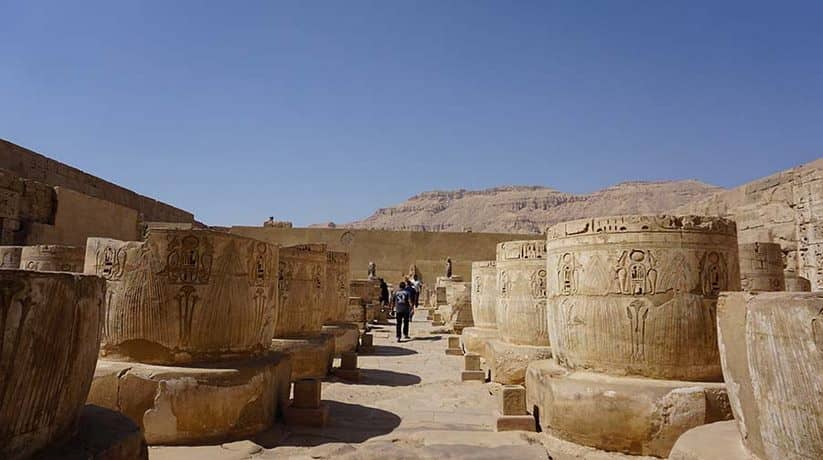
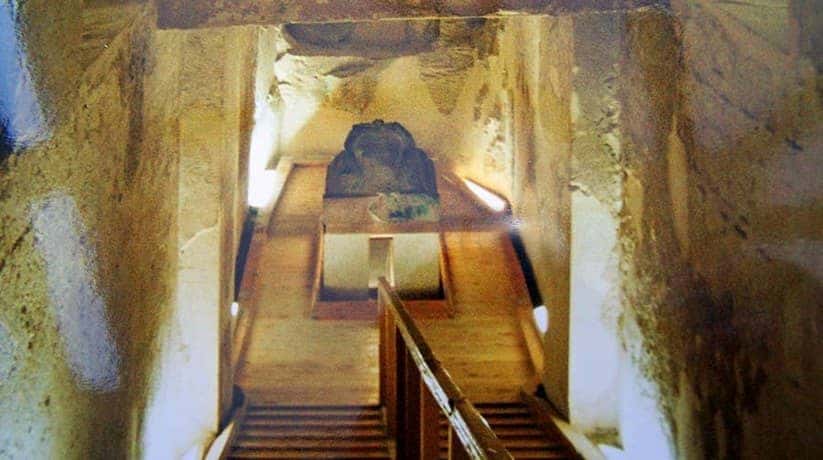
Nearby attractions Information, tours and Online Booking

More of Ancient Egypt

More of Egypt attractions

MORE
error: Copyright © www.etltravel.com !