Activities in Alexandria

Accommodations

Eastern Al Montazah hotel

Eastern Al Montazah hotel

Eastern Al Montazah hotel located in fact in Alexandria city in Egypt. In fact the hotel is one of Egypt 4 stars hotels. Moreover, it is also one of Alexandria 4 stars hotels. The hotel overlooks El Montaza park and Gardens. Moreover, it is near to Catacomb, Alexandria Library and San Stefano Grand Plaza...

MORE
Africana hotel Alexandria

Africana hotel Alexandria

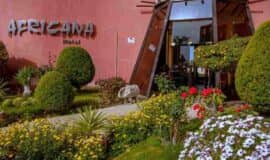
Africana hotel Alexandria is one of Egypt 4 stars hotels and Alexandria 4 stars hotels either. In fact, the hotel located in Borg El Arab area in Alexandria, Egypt. The hotel rooms feature air conditioning, en-suite bathroom, flat-screen TV and mini bar. Moreover, they also feature free WiFi and free...

MORE
Hilton Alexandria King's Ranch

Hilton Alexandria King’s Ranch

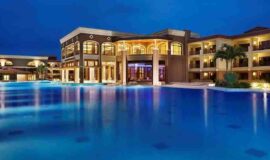
Hilton King's Ranch hotel indeed is one of Egypt luxurious 5 stars hotels. In fact, the hotel is also one of Alexandria luxurious 5 stars hotels either. Unwind in your stylish room which equipped with WiFi and a spacious desk. In fact, the rooms also feature an HDTV with international channels. Select...

MORE
Grand Plaza hotel Alexandria

Grand Plaza hotel Alexandria

Grand Plaza hotel at Smouha located in fact in the heart of Alexandria city in Egypt. In fact, the hotel is one of Egypt deluxe 5 stars hotels and Alexandria deluxe 5 stars hotels either. The hotel features free WiFi ...

MORE
Royal Crown hotel Alexandria

Royal Crown hotel Alexandria

Royal Crown hotel is one of Egypt 3 stars hotel and Egypt cheap hotels as well. In fact, the hotel is also one of Alexandria 3 stars hotel and Alexandria cheap hotels either. The hotel in fact located 4.3 km away from Alexandria Zoo. Catacombs of Kom el Shoqafa is 8 km from the hotel. The nearest airport...

MORE
Plaza hotel Alexandria

Plaza hotel Alexandria

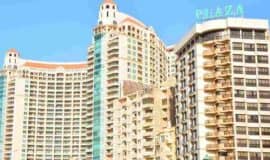
Plaza hotel Alexandria is in fact one of Egypt 4 stars hotels and Alexandria 4 stars hotel as well. The hotel in fact is also one of Egypt budget hotel either. Situated on Alexandria’s beach, the hotel offers spacious accommodation with free WiFi. A buffet style breakfast served daily. In the evening, a variety of...

MORE
Radisson Blu hotel Alexandria

Radisson Blu hotel Alexandria

Radisson Blu hotel is one of the Egypt deluxe 5 stars hotel and Alexandria 5 stars deluxe hotels either. The hotel in fact features 2 swimming pools and a rooftop spa. The spa offers holistic treatments. The hotel is a 35-minute drive from Alexandria’s historical sites and city center. Moreover, it is...

MORE
Le Metropole hotel Alexandria

Le Metropole hotel Alexandria

Le Metropole hotel Alexandria hotel is one of Egypt 4 stars hotels and Alexandria 4 stars hotels as well. In fact, the hotel situated a 2-minute walk from the El Raml Train Station and the sandy beaches. The library of Alexandria is 1.5 km away. Moreover, the hotel located 1 km from Cavafy museum, 2 km...

MORE
Iberotel Borg El Arab hotel

Iberotel Borg El Arab hotel

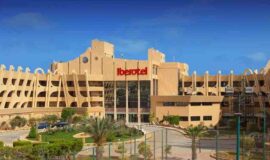
Iberotel Borg El Arab hotel is one of Alexandria 5 stars deluxe hotels and Egypt deluxe 5 stars hotels as well. In fact, the hotel located in Borg El Arab area. Moreover, the hotel features a large garden terrace with swimming pool. It also has a full-service wellness center. All air-conditioned rooms...

MORE
Hilton Green Plaza hotel

Hilton Green Plaza hotel

Hilton Green Plaza hotel is one of Egypt deluxe 5 stars hotels and Alexandria deluxe 5 stars hotel as well. In fact, the hotel is 10 minutes to Al Nozha airport and 45 minutes away fro Borg El Arab airport. In fact, Hilton Green Plaza features an executive lounge and two business centers. Moreover...

MORE

Tours

Bahariya Oasis White desert Safari tour

Bahariya Oasis White desert Safari tour

Bahariya Oasis White desert Safari tour is one of the most popular Egypt Adventure tours among Egypt tours packages. In fact, the tour is also adorable among Egypt Safari tours. Moreover, the tour also well known among Egypt tours from United States of America. It is also fan among Egypt tours from United Kingdom. In fact, the tour designed to match up with Egypt tours from Canada as well. Book this tour through our Egypt tours booking system

MORE
Cairo Alexandria Nile cruise tour

Cairo Alexandria Nile cruise tour

Cairo Alexandria Nile cruise tour is one of the best Egypt tours and Egypt tours 2018. In fact, the tour is much likable among Egypt tours from USA and Egypt tours from Singapore. Moreover, the tour is one of the amazing Egypt classic tours and Egypt cultural tours as well. Furthermore, this tour is convenient as one of Egypt family package tours. In fact, the tour is also much popular among Egypt tours from Canada and Egypt tours from UK. Book this tour through our Egypt tours booking system in our website.

MORE
6 day Egypt tour

6 day Egypt tour

6 day Egypt tour is one of the most popular tours among Egypt tours from Singapore. It also one of the interesting tours among Egypt tours from Malaysia and Egypt tours from India. The tour features one of the important Egypt classic tours and Egypt cultural tours. In fact, it comprises the most important sites among Cairo tours and Alexandria tours. It also offers one of the most interesting tours among Fayoum tours.

MORE
Over day tour to Cairo from Alexandria

Over day tour to Cairo from Alexandria

Over day tour to Cairo from Alexandria is one of the famous Alexandria day tour and Egypt day tour as well. In fact, the tours is also one of Egypt escorted tours, Egypt cultural tours and Egypt classic. tours. Moreover, the tours is also among Egypt city tours and Egypt tours from Singapore. Furthermore, the tour is also one of Egypt tours from Malaysia and Egypt tours from India. The tours is available for booking through our Egypt tours booking system in our website.

MORE
Over day tour to Alexandria

Over day tour to Alexandria from Cairo

Over day tour to Alexandria from Cairo is one of the famous Cairo day tour and Egypt day tour as well. In fact, the tours is also one of Egypt escorted tours, Egypt cultural tours and Egypt classic. tours. Moreover, the tours is also among Egypt city tours and Egypt tours from Singapore. Furthermore, the tour is also one of Egypt tours from Malaysia and Egypt tours from India. The tours is available for booking through our Egypt tours booking system in our website.

MORE
Rashid city day tour

Rashid city day tour

Rashid city day tour will be started when our representative and guide pick you up from Alexandria port (in front of cruise exit door). And then we will start the tour by visiting Qaitbay Fort which considered one of the most important

MORE
Full day tour in Alexandria

Full day tour in Alexandria Egypt

Full day tour in Alexandria is one of the most popular Alexandria day tours and Egypt day tours as well. In fact, the tour is one of Egypt classic tours, Egypt cultural tours and Egypt city tours as well. Moreover, the tour is among Egypt escorted tours, Egypt tours from USA and Egypt tours from UK. Furthermore, the tour is fan among Egypt tours from Canada and Egypt tours from Singapore. Moreover, it is also one of Egypt tours from India and Egypt tours from Malaysia. Book this tour through our easy Egypt tours booking system in our website.

MORE
Egypt tours Packages

Egypt Packages tours

Egypt tours packages tailored to suit all needs and desires of all clients of different ages. In fact, the your packages of Egypt include diving tours, classic tours and Golf tours. Moreover, Egypt tours packages also include water activities tours and desert activities tours. They also include Islamic and Christian tours. The tour packages also include Nile cruise tours. All tours are available through our Egypt tours booking system.

MORE

Things to Do

Islamic Alexandria Egypt

Islamic Alexandria Egypt

  • Islamic Alexandria Egypt
  • Islamic Alexandria Egypt
  • Islamic Alexandria Egypt
  • Islamic Alexandria Egypt
  • Islamic Alexandria Egypt
  • Islamic Alexandria Egypt
  • Islamic Alexandria Egypt

Islamic Alexandria Egypt tours, prices, booking, reviews

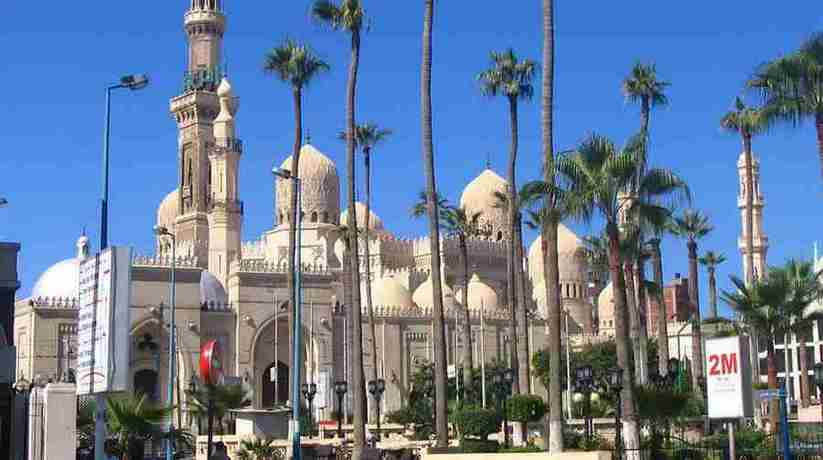
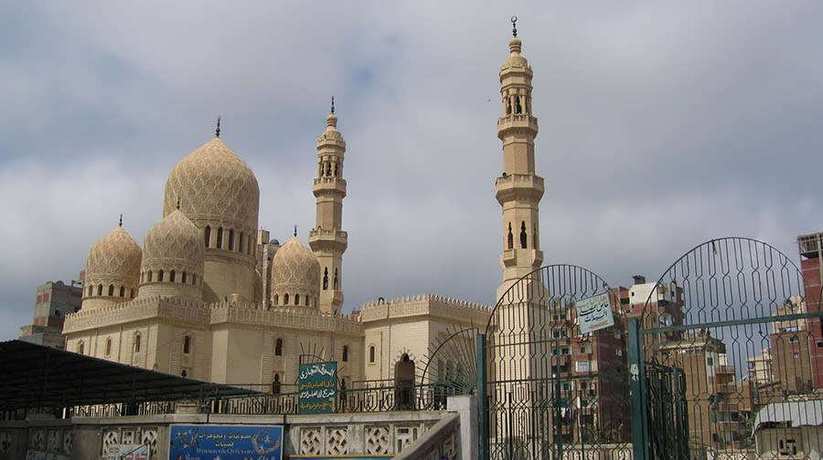
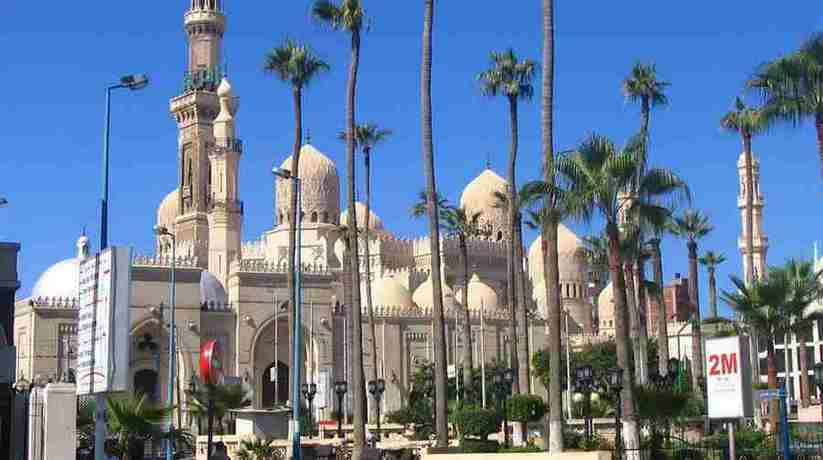
Islamic Alexandria represented by Al Mursi Abu Al Abbas mosque. It is the most historic and most beautiful mosque in Alexandria, Egypt. Al Mursi Abu Al Abbas Mosque built primarily in 1775 over the tomb of a Spanish scholar and saint. Moreover, it stands on Mosque Square overlooking the eastern harbor. Al Mursi Abu Al Abbas born to a wealthy family in the Andalusia region of Spain in 1219. In the wake of increasing Christian control of Spain, he and his family left for Tunisia in 1242. He later went on to Alexandria, a popular destination of many Muslim scholars at the time.

Islamic Alexandria also represented by Imam Al Busiri mosque. It is located in Alexandria. Different biographers present slightly different versions of Imam Al Busiri’s life. It is although certain facts agreed upon by all of North African to the Sanhaji tribe of Morocco. The famous historian al Maqrizi claimed that Imam Al Busiri’s family was from Hammad Citadel in Morocco. Moreover, it was a part of the Banu Habnun tribe.

Further details about Islamic Alexandria:

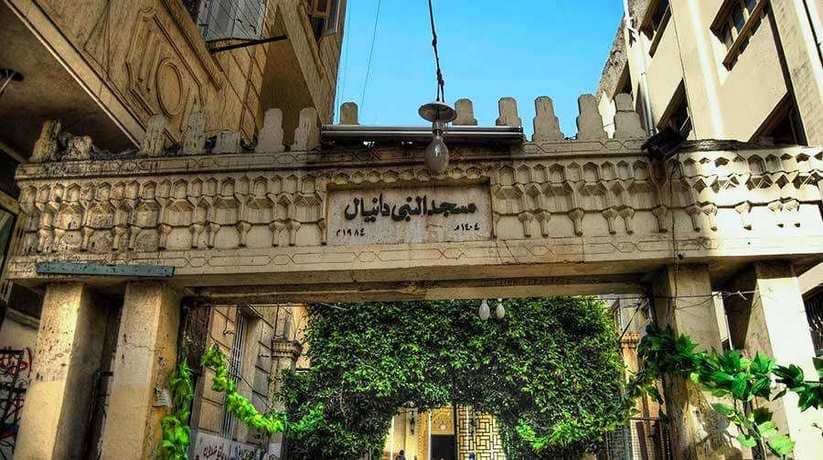
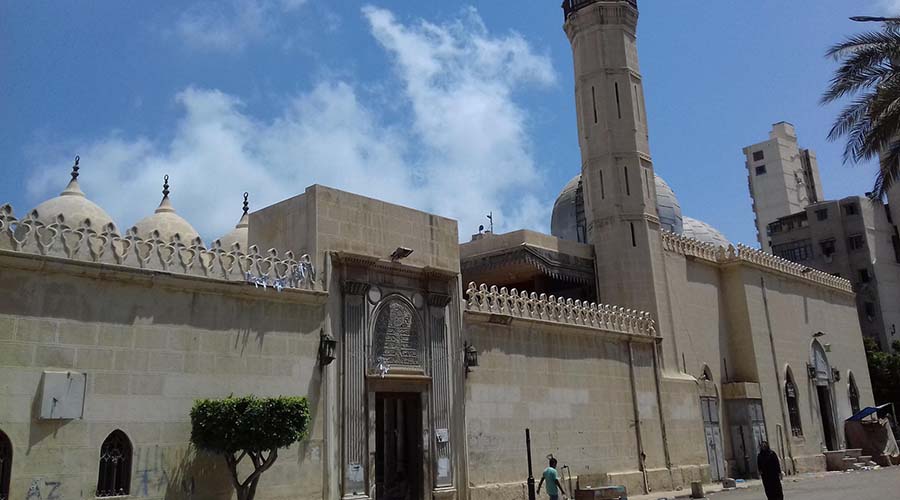
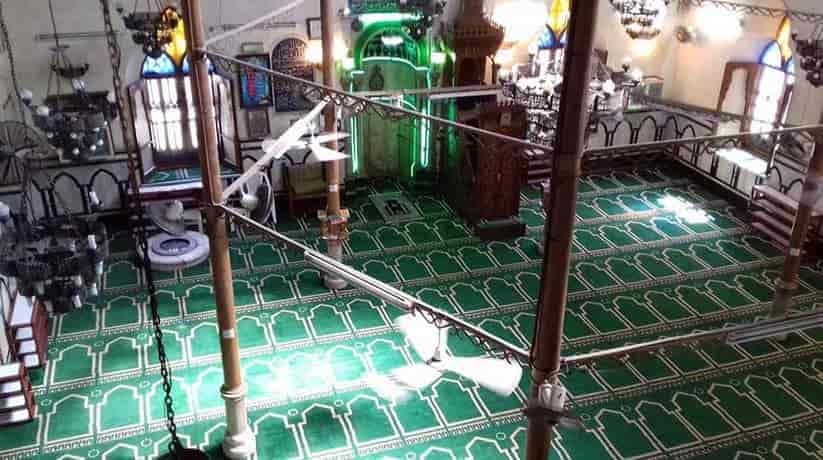
Islamic Alexandria also represented by Nabi Daniel mosque. It is located in Nabi Daniel street in Moharram Bek in Alexandria. Nabi Daniel is not really popular among the Muslims globally. The present Nabi Daniel mosque built at the end of the 18th century and restored in 1823 by Mohammad Ali. A smaller shrine, probably the mosque of Dzoul Karnein – the Sire with the two horns – preexisted on the site. In fact, the mosque contains the remains of the scholar and venerated teacher Prophet Daniel. It also contains the remains of his companion Sidi Lokman el Hakim, a religious story-teller.

Islamic Alexandria also represented by Qaitbay Fort. It indeed is one of the most important defensive strongholds. In fact, it not only in Egypt, but also along the Mediterranean Sea coast. It formulated an important part of the fortification system of Alexandria in the 15th century A.D. Qaitbay Fort situated at the entrance of the eastern harbor on the eastern point of the Pharos Island. It erected on the exact site of the famous Lighthouse of Alexandria. In fact, the Lighthouse of Alexandria was one of the Seven Wonders of the Ancient World. The lighthouse continued to function until the time of the Arab conquest. And then, several disasters occurred. In fact, he shape of the lighthouse changed to some extent, but it still continued to function.
 

Islamic Alexandria Sites

Al Mursi Abu Al Abbas Mosque
+View details
Egypt Nile cruises and hotels
Imam Al Busiri Mosque
+View details
Egypt Nile cruises and hotels
Nabi Daniel Mosque Alexandria
+View details
Egypt Nile cruises and hotels
Load more

MORE
Imam Al Busiri mosque Alexandria

Imam Al Busiri Mosque

  • Imam Al Busiri mosque Alexandria
  • Imam Al Busiri mosque Alexandria
  • Imam Al Busiri mosque Alexandria
  • Imam Al Busiri mosque Alexandria
  • Imam Al Busiri mosque Alexandria
  • Imam Al Busiri mosque Alexandria

Imam Al Busiri mosque Alexandria Egypt tours, booking, prices

Imam Al Busiri mosque Alexandria located in Alexandria city, Egypt. Different biographers present slightly different versions of Imam Al Busiri’s life. Certain facts agreed upon by all North African to the Sanhaji tribe of Morocco. Historian al Maqrizi claimed that Al Busiri’s family was from Hammad Citadel in Morocco. Furthermore, it was a part of the Banu Habnun tribe. Little known about Imam Al Busiri childhood. It is although scholars surmise that he received the usual education for children of his time. He would have attended a Qur’an school and memorized the entire Qur’an.

Kilani asserts that Imam Al Busiri’s family was poor as he forced to search for work from a young age. Sometime during his youth, he made his way to Cairo, where he pursued his studies. There, he exposed to the important Islamic sciences. They are Arabic language and linguistics. They are also literature, history and the biography of the Prophet Muammad. Even as a young man, Imam Al Busiri began to compose poetry which was not of a religious nature. In 1240 at the age of 30, he composed a poem to petition the King Najm Al Din Al Ayyubi. It was when he failed to allot a generous endowment to Imam Al Busiri mosque Alexandria.

Further details about Imam Al Busiri mosque Alexandria Egypt:

An accomplished poet, he would often recite his poetry and give lessons at mosques in Cairo. Many young poets studied under him. They are such as Athir al-Din Muammad Ibn Yusuf Abu Hayyan al-Andalusi 1325 AC. And Abu al-Fath Ibn Sayyid al-Nas al-Yamari 1334 AC and Izz al-Din b. Jamaah 1335 AC. His best known for the deeply religious are Burdah and the Hamziyyah poems. Imam Al Busiri’s complete diwan is still extant. It includes poetry that reveals the transition from a rough and terse youth. It also include a mature man with a deeply spiritual disposition. Based on his poetry, one can map out his spiritual development. He records his experiences in life, interactions with people, complaints, and insights.

Imam Al Busiri’s short and slender stature led the people ridicule him. It led also to be the source of their jokes. Early on in his career, he wrote a number satire poems. They revealed his feelings about being ridiculed. He also had a hard time accepting criticism from other poets. Moreover, he even wrote a rebuttal of a poet, one Zayn al-Din who had insulted his work. He known to have a harsh tongue. Furthermore, he took pleasure in composing hijaa, or satire, poetry to insult his enemies. The historian al-Shehab Mahmoud wasa contemporary of Imam Al Busiri. He wrote that he was a misanthrope who would attack others with his words. He also added that he had a bad reputation in the courts of princes and viziers.

More details about Imam Al Busiri mosque Alexandria Egypt:

Imam Al Busiri lived in various locations in Cairo and in the Delta region. He worked primarily as a scribe and poet for the local rulers. At one time, a ruler offered him the position of a muhtasib, or market inspector, in Cairo, but he rejected it. From this job offer, we can find out that Imam Al Busiri had a decent knowledge of Islamic law. It is because the job requires a thorough knowledge of Islamic jurisprudence and law. He lived for a long time in the Lower Egypt town of Bilbis 1261-1265 AC. Moreover, he worked there as a scribe and manuscript copyist. He seems to skilled in accounting. That was although al-Maqrizi claimed that he made a lot of mistakes and was not competent in this skill.

Imam Al Busiri interested in religious polemics. He read the Hebrew Bible, New Testament, and religious history of Judaism. He also read Christianity primarily. It was defend Islam and the position of the Prophet Muammad. Some of his colleagues at work were Jewish and Christian. In fact, he known to engage in fiery debates with them. He interested in proving to them that the Gospels did not indicate that Jesus was a god. And that it contained signs of the coming of the Prophet Muammad. He was also concerned with correcting what he believed to be mistakes. It was in the Hebrew Bible that told stories of the prophets and of their sins.

Further details about Imam Al Busiri mosque Alexandria Egypt:

In addition to being a poet, Imam Al Busiri was also a fine calligrapher. He was also a composer of prose, although nothing of his writing or calligraphy is extant. It said at one point, he made a living designing the engravings for tombstones. In an attempt to make money, he also opened a Qur’an school for children in Cairo. But this venture failed and he forced to close it. As for his domestic life, his poems paint a hellish impression of living. It was with his constantly pregnant wife and gaggle of children. He talks of his wife conspiring with his sister-in-law. It was to get him to divorce her by hitting him and pulling out the hairs from his beard. Moreover, he also complains in detail about old age. He also does about his inability to provide his children with enough food and the problem he faced.

In fact, he could not provide his daughter with furnishings for her home for her marriage. Moreover, he spent some time in the central Delta town of al-Mahallah. It was where he was the poet and scribe for the mayor. He received a monthly wage for composing panegyric poems of the ruler. In al-Mahallah, Imam Al Busiri clashed with the local Christian scribes, copyists and poets. He wrote verses complaining of his treatment at their hands. Sometime during his stay in al-Mahallah, it seems he broke his leg. It was on a visit to the public baths and complained bitterly about his leg in many poems.

More details about Imam Al Busiri mosque Alexandria Egypt:

His relation with others was so bad that it reached the point where they wished he would die. Once, when he became very sick, a rumor quickly spread that he had died. Upon recovering from his sickness, he wrote a satirical poem. It was to mock his enemies who spread rumors of his death. The phrase was “I am not the one who would die before them”. I will survive them and weep over their graves. It’s true that I had almost lost my life but the generosity of this vizier gave me a new life.”

Imam Al Busiri had enemies among Jews, Christians and among his coreligionists. In fact, he also had enemies among those closest to him, including his wife. He wrote satirical poems attacking anyone who criticized or insulted him. He recorded each event and rebuttal in a poem. According to al-Maqrizi, Imam Al Busiri would befriend important members of the court. It was such as the vizier Zayn al-Din. al-Zubayr. And would support them no matter if they were just or oppressive rulers. He supported the Mamluk rulers. He wrote zealous panegyric poems . The poems praised Turkish Mamluks that also affronted the local Arab population. The only positive characteristic of Imam Al Busiri recorded by al-Maqrizi. It was that he was generous.

Further details about Imam Al Busiri mosque Alexandria Egypt:

It not known when exactly Imam Al Busiri became a disciple of Al Mursi Abu Al Abbas. It can posited that this happened later on in his life. Itis at least some years before the death of al-Mursi in 1287 AC. Imam Al Busiri seemed to have struggled to follow Sufi principles. He desired to live in isolation from people. In fact, he had a large family and was often unable to feed them due to his poverty. He said “If I were on my own, I like to be a disciple in a Sufi hostel”.

His later poetry consists mainly of panegyric poems praising the Prophet Muhammad. And he bears little similarity to that of his earlier satirical poems. Perhaps after becoming a Sufi disciple, he underwent a spiritual awakening. It seen in the form the Burdah and the accompanying story of its composition. Moreover, it also was from his previous harsh and misanthropic nature. It seems to be conflicting information about Imam Al Busiri ’s life. It seen in the biographies of non-Sufi historians. Furthermore, it also seen from hagiographies written by Sufi scholars. Sufi hagiographies always describe him as an older man with a head of white hair.

More details about Imam Al Busiri mosque Alexandria:

The time line of Imam Al Busiri’s life is not clear. It known that as a grown man, he drawn towards Sufism. He joined the Shadhili order under the guidance of his Shaykh Abu al-Abbas al-Mursi. It was in Alexandria. And which at the time was a center for North African Sufis. At this time, the Shadhili Sufi order was still in its infancy and founded by al-Mursi. Imam Al Busiri was fond of Al Mursi Abu Al Abbas. He studied Sufi thought and practice under him. This background would have a strong influence on his later poetry. He was faithful to his order. He wrote poems full of praise of al-Shadhili and al-Mursi. They were in their spiritual attributes and ranking. Imam Al Busiri was the contemporary of Ibn al-Farid, the great Sufi poet and mystic.

It also said that he was a friend of Ibn Ata Allah Al Sakandari. Al Sakandari is Sufi scholar and jurists. He wrote the famous Hikam, or collection of Sufi aphorisms. It is as well as a spiritual biography of A Shadhili and Al Mursi. In Sufi hagiographies, Imam Al Busiri painted as a saint-like figure. It is the person who had reached the high spiritual station (maqam) of Al Ghawthiyyah Al kubra. They claim that when he walks down the street, the young and old come out to greet him. They also kiss his hand. It said that his bod has emitted a sweet scent. He wore fine clothes, had a head of snow-white hair and humble smile. He was ascetic in his lifestyle. Moreover, he also had a respectable and virtuous character.

Further details about Imam Al Busiri mosque Alexandria Egypt:

Kilani disregards these attributes of Imam Al Busiri based on his readings of his poetry. Imam Al Busiri was indeed an unpleasant person. It was for much of his life until he discovered Sufism. He mended his ways, and reached a high spiritual station. This station respected and acknowledged by his fellow Sufis. Imam Al Busiri’s praise poetry of the Prophet Muhammad divided into two periods. The first from before Imam Al Busiri’s Hajj and the second after his return from the Hajj. Imam Al Busiri did not perform his pilgrimage until at least after 1255 AC. Before going on Hajj, he composed many praise poems. Some of them referred to his longing to visit the tomb of the Prophet.

Upon his arrival to Madinah and Makkah, he composed poems revealing his joy. The joy is at the tomb of his beloved and other places which Prophet visited. Although buried in Alexandria, it not known if Imam Al Busiri spent his last years in Cairo or Alexandria. His official tomb located in Alexandria, there are some dispute about where he buried. Al-Maqrizi recorded that he died in al-Mansuri Hospital in Cairo. Al- Ayyashi is a North African traveler who visited Cairo in 1663 AC. He mentioned that he visited Imam Al Busiri’s tomb in the area of the jurist Imam al-Shafii’s tomb. It located in the southern cemetery of Cairo. Imam Al Busiri indeed buried at the foot of al-Muqattam hills. It is where historians presumably thought the younger poet Imam Al Busiri buried.

Nearby attractions Information, tours and Online Booking

More of Islamic Egypt

More of Egypt attractions

MORE
Saint Macarius Monastery Egypt

Saint Macarius Monastery Egypt

  • Saint Macarius Monastery Egypt
  • Saint Macarius Monastery Egypt
  • Saint Macarius Monastery Egypt
  • Saint Macarius Monastery Egypt
  • Saint Macarius Monastery Egypt
  • Saint Macarius Monastery Egypt

Saint Macarius Monastery Egypt tours, prices, booking

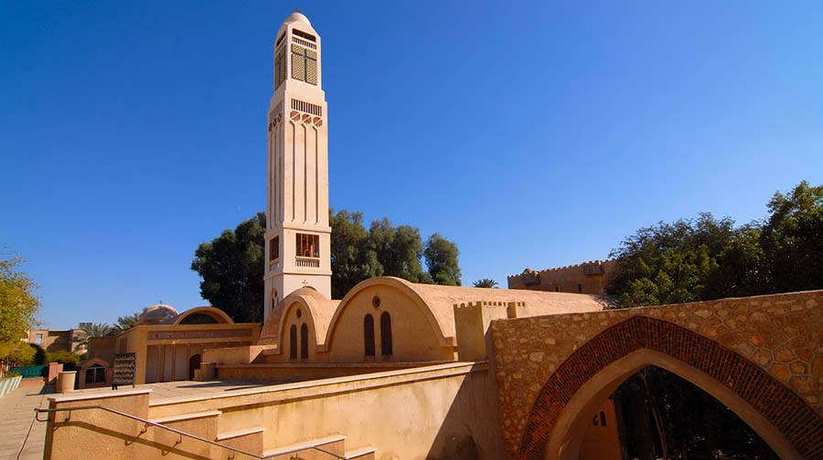
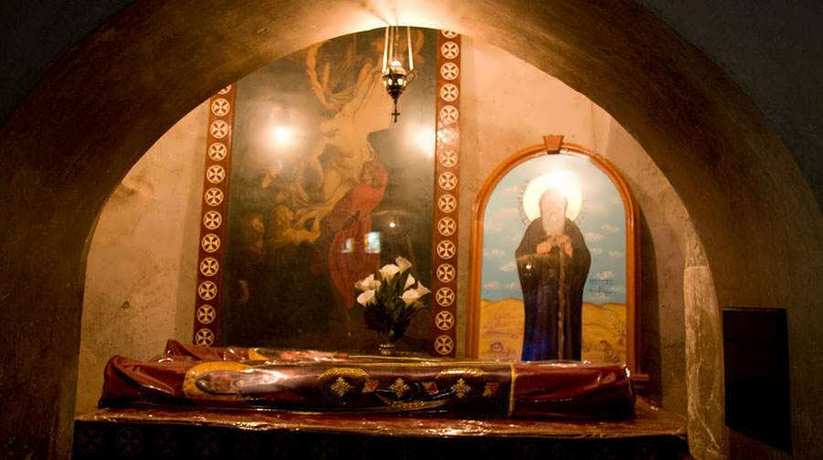
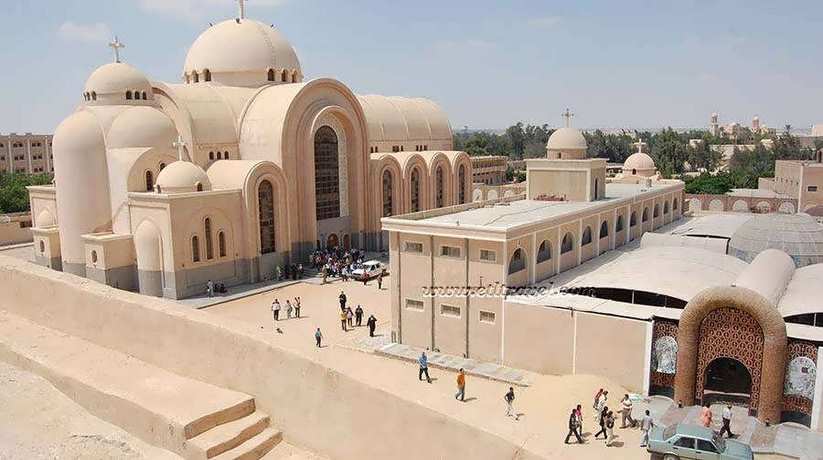
Saint Macarius Monastery Egypt is the first monastery built in Wadi El Natrun. In fact, it also called Abu Makar Monastery. Byzantine rulers mandated that the Coptic Patriarchs no longer live in Alexandria. It was in the 6th century. That is why Saint Macarius Monastery acquired a new importance as the seat of the Coptic church. It remained an important monastery throughout the ages. St. Macarius lived as a hermit monk in a cave for over forty years. He received a divine revelation in the form of a dream to build a church. When he died in 390, he buried in his beloved cave. His monks remained and the cell where he buried became the center of the monastery. His relics kept as treasures and still remain.

In fact, the monastery became a memorial to him so that people might not forget his story, devotion and piety. A team from Leiden University in the Netherlands excavating this site since 1995. It seems they may end up providing an analysis. Moreover, the analysis of how a loose group of hermits might have evolved into a monastic society. In fact, Saint Macarius Monastery began as an open, informal structure more like a village. Moreover, there was a church and a keep (tower). Most of the present monastery rebuilt by Patriarch Shanudah (859-81). It was after attacked and destroyed for the third time by Berbers in 866. By the end of that century, the tower’s outer walls reinforced.

Further details about Saint Macarius Monastery Egypt:

In fact, most of the settlement surrounded by an outer defensive wall. It giving it the real appearance of a monastery. This wall may have encouraged hermit monks to live within, resulting in a true monastery. Moreover, the palace of Saint Macarius Monastery Egypt is a three story building. It accessed by a drawbridge at its first story level. There are mills, storeroom sand a well on the ground floor. The Chapel Virgin Mary is on the first floor. It has three alters (sanctuaries) of about 13th century origin. The second story has three churches. They are church of the Angle Michael to the North and the Church of St. Anthony, Paul & Pachomius. In the southernmost, there is the church of the Travelers (Al Sawwah)

In fact, much of the Church of St. Macarius destroyed in 1930, but there remains two alters dating to 830. St. Macarius and St. John the Short, among a few other saints buried there. There is a small church of St. Iskhirun of Killin with three alters and two alters which used for storage. Furthermore, there is also a church of the Forty-Nine Martyrs which used during fasts and the Feast of Nativity. In the church of Anba Makar there are icons of the three St. Macarii, which is the oldest icon in the monastery.

More details about Saint Macarius Monastery Egypt:

The monastery indeed is the richest in the Wadi El Natrun. There is a coffin in the church of Abu Makar. It contains the relics of sixteen patriarchs of the Coptic church. Moreover, there is also the relics of the forty nine martyers whom killed by the Berbers. In fact, they buried in the church of the Elders. Relics also include those of the three Macarii. They are St. Macarius the Great, St. Macarius the Alexandrian and the Martyr saint Macarius. The last one was the Bishop of Edfu. Moreover, other relics include those of St. IIaria, the daughter of King Zenun. She disguised herself as a man to be a monk in the monastery. And finally there are the relics of St. John the Little (St. John Colobos or Anba Yoanis the Short).

Ancient icons within Saint Macarius Monastery are the following:

Anba Makar the Great, the Egyptian carrying the cross. It is as a symbol of his perseverance, honesty and self mortification.

Anba Makar the Alexandrian carrying a ladder (as a symbol of his zeal to get virtues step by step).

Anba Makar the bishop of Edfu carrying a small lamb between his arms. He also was a Priest and martyr whom brought to slaughter. Moreover, he also painted with white clothes.

St. Yehnis the Short was the spiritual son of Anba Makar. He was of the second generation, and his monastery was 15 km south west of Saint Macarius monastery. His relics transferred to the monastery when his monastery ruined.

It was the usual habit after a patriarch elected and consecrated to the See of St. Mark in Alexandria. It is that he would ordained and sanctified in this monastery. Many patriarchs ordained in this monastery and many of them buried here. In fact, the monastery seen west from the Cairo – Alexandria desert highway. Moreover, it is at about 129 Km. to Alexandria or 86 to Cairo.

Nearby attractions Information, tours and Online Booking

More of Coptic Egypt

More of Egypt attractions
MORE
Saint Bishoy Monastery

Saint Bishoy Monastery Alexandria

  • Saint Bishoy Monastery Alexandria
  • Saint Bishoy Monastery Alexandria
  • Saint Bishoy Monastery Alexandria
  • Saint Bishoy Monastery Alexandria
  • Saint Bishoy Monastery Alexandria

Saint Bishoy Monastery Egypt tours, prices, booking, reviews

Saint Bishoy Monastery is the most famous Coptic Orthodox monastery named after Saint Bishoy. Moreover, it located in Wadi El Natrun. It is the easternmost monastery among the four current monasteries of the Nitrian Desert. The monastery founded by St. Bishoy in the fourth century. On 13 December 841 Pope Joseph I fulfilled the desire of Saint Bishoy. He moved his body as well as that of Saint Paul of Tammah to this monastery. Up to that date, the two saints bodies were at the monastery of Saint Bishoy at Deir El Barsha. Today, the two bodies lie in the main church of the monastery.

Saint Bishoy monastery contains the relics of Saint Bishoy, Saint Paul of Tammah. It is besides to the relics of other saints. The body of Saint Bishoy remains in in-corruption until the present time. Pope Shenouda III also interred there. In fact, the monastery has five Churches. The main one named after Saint Bishoy. The other Churches named after the Virgin Mary, Saint Iskhiron. They also named after Saint George and Archangel Michael. The monastery surrounded by a keep. It built in the fifth century AD to protect the monastery against the attacks of the Berbers. An initial castle built early in the twentieth century.

Further details about Saint Bishoy Monastery:

Later, it replaced by a four-storied castle built by Pope Shenouda III. Besides, the monastery contains a well known as the Well of the Martyrs. Berbers washed their swords in this well after killing the Forty Nine Elder Martyrs of Scetes. They threw the bodies of the martyrs in the well. Christians buried the bodies in the nearby Monastery of St. Macarius the Great. Under the reposed Pope Shenouda III, the Monastery of Saint Bishoy began to expand. It was with new land around the monastery which purchased and developed. Cattle breeding, and poultry dairy facilities also developed. Ancient buildings and churches also restored.

Cells for monks, retreat houses, a house for the Coptic Pope built. Annexes for a reception area, an auditorium, conference rooms, fences and gates also built. Pope Shenouda buried here after his death in March 2012. You can sit in the garden of Saint Bishoy monastery. Moreover, you can wander around the new cathedral. You can watch the resident monks go about their daily chores. You can also enjoy lovely views of the desert from its rooftop. Please dress while visiting the Coptic monasteries. Wadi El Natrun located 100 km northwest of Cairo in the Western Desert. The only way to get there is by car or by bus. West Delta Buses leave every hour from the Heliopolis station.

Nearby attractions Information, tours and Online Booking

More of Coptic Egypt

More of Egypt attractions
MORE
San Stefano Grand Plaza Alexandria

San Stefano Grand Plaza

  • San Stefano Grand Plaza
  • San Stefano Grand Plaza
  • San Stefano Grand Plaza
  • San Stefano Grand Plaza
  • San Stefano GraSan Stefano Grand Plazand Plaza
  • San Stefano Grand Plaza

San Stefano Grand Plaza Alexandria Egypt prices, booking

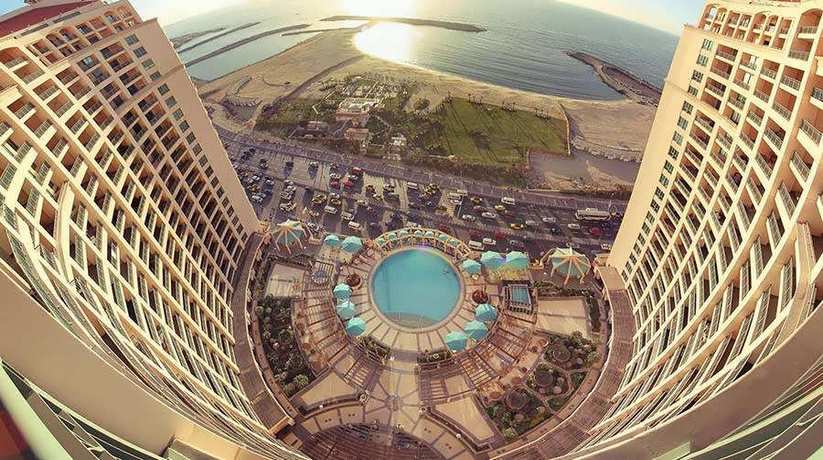
San Stefano Grand Plaza Alexandria is a structural complex. It includes Four Seasons hotel, apartments, offices and a shopping mall. Moreover, it also has a marina in Alexandria, Egypt. Furthermore, it is on of its most luxurious areas in Alexandria. Four Seasons hotel features spacious guest rooms. Rooms feature balconies with views of the city, pool, or sea. They also feature LED TVs, signature bedding and marble bathrooms. The bathrooms are with deep soaking tubs.

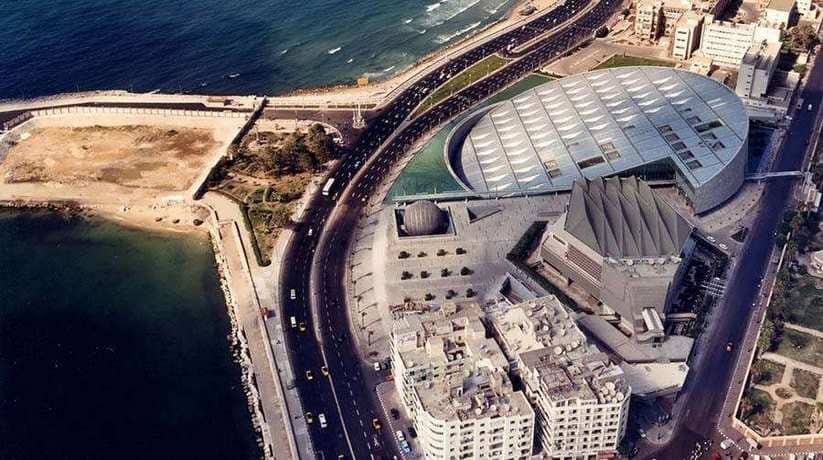
Alexandria Library and the Roman Amphitheater are twenty minutes driving from San Stefano. In fact, the building houses private residences. It also houses a private marina and a lavish mall. In fact, Grand Plaza features 4 floors of retail shops. It is not just a complex but a manifestation of the best. The state of the art features  cinemas, a children’s amusement center and Metro supermarket. It also features several coffee shops and a food court. They have an endless variety of choices. In fact, San Stefano Grand Plaza Alexandria is all about extravagance.

Further details about San Stefano Grand Plaza Alexandria:

If you look for more distinguished brands, it is the place to shop. There are also some mid range international brands available. There is something to offer on all levels of living. It starts from beautiful designed apartments to the grand shopping mall. In fact, All your needs and dreams will come true. Moreover, San Stefano Mall is the most vibrant and high end shopping mall in Alexandria city. This unique shopping mall set to redefine the shopping mall concept in Alexandria. It’s position is the best shopping and entertainment destination in the city. The four grand shopping floors facing the glorious Sea. They make San Stefano shopping mall indeed an unequaled experience.

Nearby attractions Information, tours and Online Booking

More of Egypt Fun & Leisure

More of Egypt attractions
MORE
Sacred Heart Church Alexandria

Sacred Heart Church Alexandria

  • Sacred Heart Church Alexandria
  • Sacred Heart Church Alexandria
  • Sacred Heart Church Alexandria
  • Sacred Heart Church Alexandria

Sacred Heart Church Alexandria Egypt tours, prices, booking

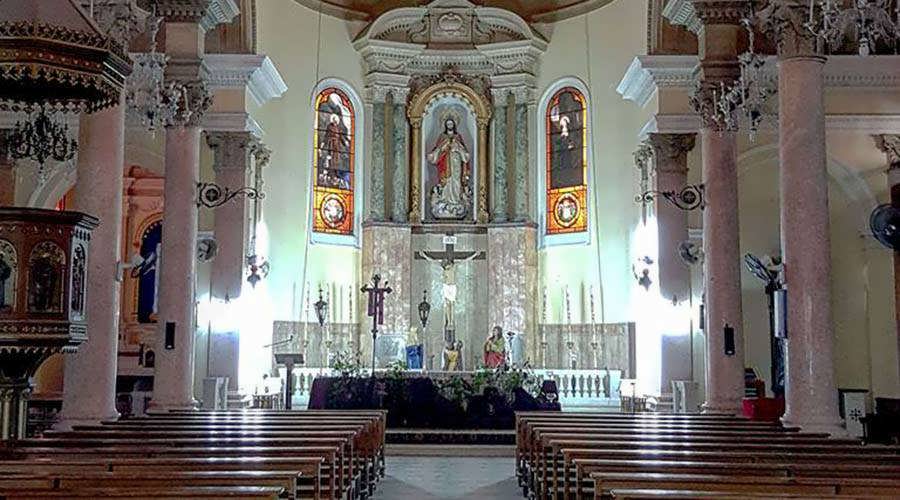
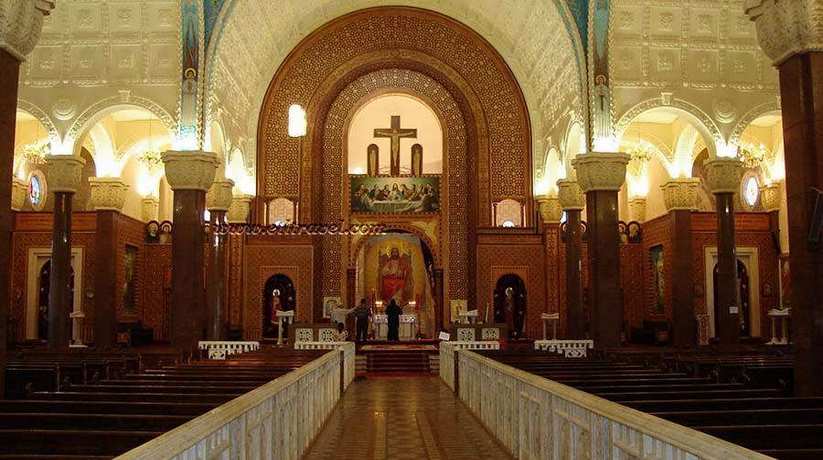
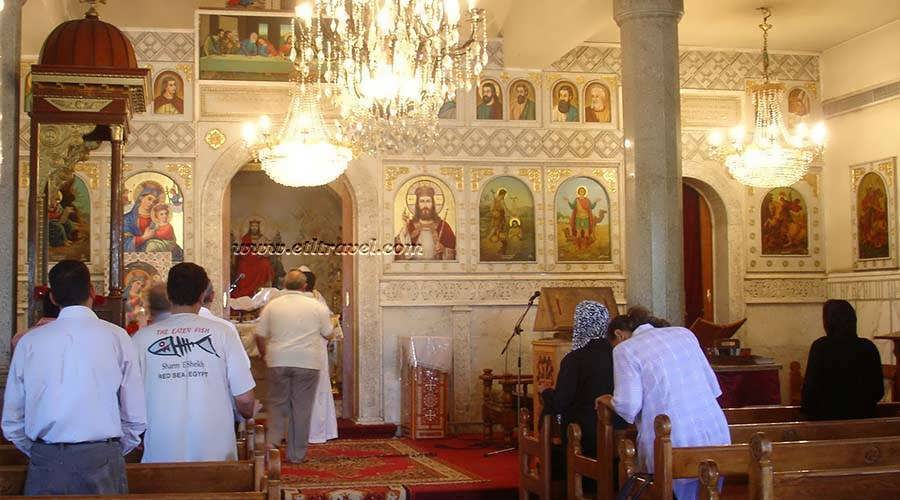
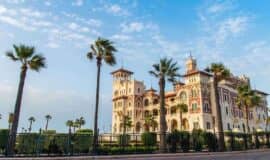
Sacred Heart Church Alexandria built in 1924 in Alexandria city, Egypt. In fact, the church is a Catholic church. It visited by the Latin Catholics of Alexandria. In fact, St. Francis served as the patron saint. He was also an Italian monk and born in 1181. Furthermore, he lent his name to the many Franciscan schools found around the world. In fact, the church indeed is worthy to visit for its breathtaking religious art. Moreover, you will see icons, murals, figurines and most exquisite stained glass artwork.

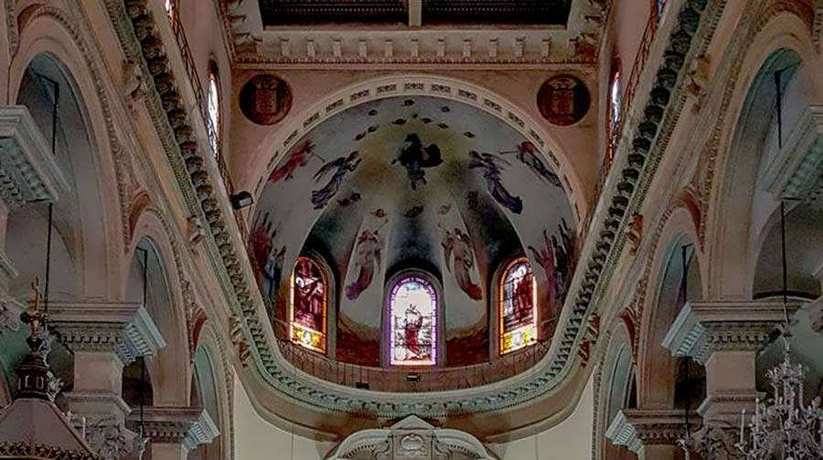
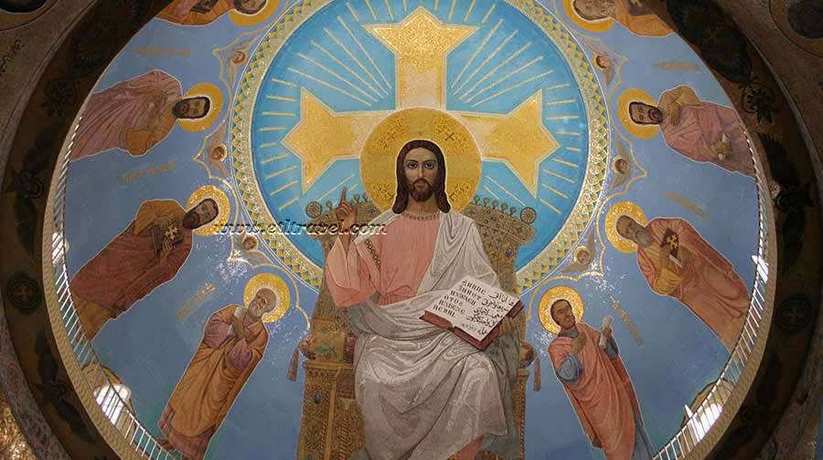
When you enter the Sacred Heart Church Alexandria, you will find images from the life of the Christ. They portrayed on one side of the church’s walls. It facing images portraying the life of St. Francis on the opposite wall. St. Clara who founded the Franciscan Order for Girls also features in the glass icons of the church. There are several altars and a beautiful pulpit. In fact, they engraved with events from the life of St. Francis. Furthermore, there are swimming angels painting and a stunning painting of Jesus Christ. They connect the walls to the beautiful ceiling.  The ceiling holds more even more artistic delights.

Further details about the Sacred Heart Church Alexandria:

In fact, the mosaics at the Church designed by Gabriel Pippet and carried out by Maurice Josey . They begun in 1921 and took 12 years to complete. Eight and a half tons of quarter inch glass imported from Venice for the purpose. Pippet traveled to Ravenna and Rome to study the mosaics before completing the designs. Walter Loveridge Hodgkinson was a main benefactor of the church. The architect was Frank Barry Peacock. In fact, the church is one of the most interesting churches all over Egypt.

More of Coptic Egypt

More of Egypt attractions
MORE
Saint Mina Monastery Egypt

Saint Mina Monastery Egypt

  • Saint Mina Monastery Egypt
  • Saint Mina Monastery Egypt
  • Saint Mina Monastery Egypt
  • Saint Mina Monastery Egypt
  • Saint Mina Monastery Egypt
  • Saint Mina Monastery Egypt

Saint Mina Monastery Egypt tours, prices, booking, reviews

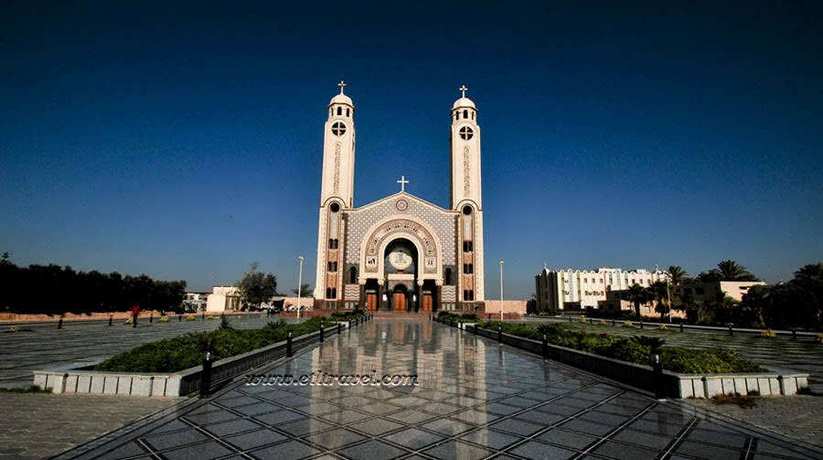
Saint Mina Monastery Egypt located approximately 50 km southwest of Alexandria city, Egypt. In fact, the monastery nestled in the small village-town of Abu Mina. That is why, sometimes the monastery called Abu Mina Monastery. St. Mina believed to have fallen as a martyr in the early 4th century. It was when the Roman Empire was persecuting Christians. Moreover, a modern monastery built on the location of an ancient church. It is where the Saint’s remains believed to be buried. A German archaeological team work at Abu Mina since 1969.

Buses depart regularly from Alexandria’s new station (Baheej Station) to Abu Mina town. After reaching Abu Mina town, you can catch a micro-bus to get to Saint Mina Monastery Egypt. The great martyr Saint Mina was an Egyptian young man who came from a large family, with rulers’ status. He left the army to live in the desert and be filled with the blessings of the heavens. Saint Mina then publicly declared his faith in Christ. Furthermore, Saint Mina martyred for Christ’s beloved name. It was after suffering great tribulations.

Further details about Saint Mina Monastery Egypt:

God declared the greatness of Saint Mina through the blessings from his relics and countless miracles at Mariut, Egypt. Moreover, several churches built in his name, in that area. The largest of which was the great Cathedral (Basilica) built with seven altars by the Roman emperor Arcadius. He built it with marble and precious stones. Along with the other churches in the area, it attracted many pilgrims. The pilgrims who visited the site to receive the blessings of Saint Mina. In fact, the area turned into a city with homes, mansions, factories, markets and much more. This shows us the saint’s rank among Church saints. Time passed and the area along with its churches faced tribulations, then destruction.

Saint Mina’s relics moved from city to city in threat of being lost. God preserved this saint’s relics from many dangers. Moreover, the relics thrown into fire and did not burn, but instead shone a bright light. In fact, these relics lost and moved to another place many times. Every time, God would show that they are the relics of his beloved soldier, the martyr St. Mina. There is no doubt that it was God who guided the late Pope Kyrillos (Cyril) VI to revive the glorious memory of this magnificent saint. It is besides to bring back life to that land (Mariut). It is which St. Mina once filled with life and miracles. What Pope Cyril did was a noble accomplishment. In fact, it was itself a miracle more than anything. It was that God used to keep this saint’s memory alive.

More details about Saint Mina Monastery Egypt:

St. Mina’s memory brought back in an extraordinary way. In fact, he left a flame burning in many people’s hearts, until this day. The Pope’s relationship with Saint Mina goes back to the years of his childhood. When he was ordained a monk,  Anba Youaness ordained him with the name Mina. In fact, it was God’s will that. It was in the Baramous monastery. He also became closer to Saint Mina by using him as an example and praying for his intercession. When he forced to leave the windmill, he built a church in the saint’s name in Old Cairo. In fact, it was not enough to quench his fire of love for this saint.

He kept sending requests for permission from the agency of Archaeology. It was to live in the lower room of Saint Mina’s ancient church in Mariut. He waited for an answer prolonged. Furthermore, he remained persistent until he received the approval. After the altar lot announced him to be the new Patriarch of the See of St. Mark. This was a sign from heaven that the Pope understood. He would not live in a room, which he remained persistent in getting. Instead he would liven up the whole area after becoming Pope of Alexandria. Visitors to Saint Mina Monastery Egypt region used to look at it. They look with sad heart, for the destruction that came about it.

Further details about Saint Mina Monastery Egypt:

However, today, they can look at it from a joyful angle for the glorious works that Pope Cyril accomplished. It is in an area that deserted for centuries. He covered it with his faith and gave it his building spirit. This gave the land the heart beat of life and raised the voice of praises within it once again. Its old owner, the Martyr Saint Mina, returned to his land, dressing it once more with the attire of peace. The Pope never discouraged, from work, by the hardship of the way. His old age, the danger of the place, the difficulty of bringing water or building tools to it. And thus many miracles manifested on his hands. The Pope sent to the agency of “desert development” a request. It was to purchase 50 acres next to the ancient city in Mariut.

And the, he also sent another request for 50 more. In 1959, on the first feast for Saint Mina after the Pope’s ordination a large festival tent put up. The Pope sent his secretary to pray evening and raise of incense. He also sent him to ensure that everything was ready for the feast’s Holy Liturgy in the morning. In the morning, his holiness prayed the hymns and the Holy Liturgy. Those who received Holy Communion that morning were about 500 men and women. He then went to the land, which he had bought from the agency of desert development. He prayed, blessed it and placed the cornerstone of Saint Mina Monastery Egypt. During the feast, the Pope asked by some of those who were present. It was to sit in the large chair prepared for him. But he refused saying: “This chair is for Saint Mina”.

More details about Abu Mina Monastery:

The two Alexandrian contractors, Sharobeem and Farag Akladious, built a small church and two rooms for his holiness. They built also another for making the holy host. The Pope and those accompanying him spent months in these two rooms with no safety nor rest. It was just to ensure that the work completed. The Agency of Archaeology agreed to transport of bricks. The brickes had no archaeological value to use in the building of Saint Mina Monastery Egypt. The students used tractors to transport these stones.  It took two full years. A brick wall built around about fifteen acres from Saint Mina Monastery Egypt’s land. Some monk cells built along with another church which blessed in a large celebration attended by thousands of people.

Pope Kyrillos’ yearning for Saint Mina’s ancient church pushed him to ride a donkey to the ancient church. It was to receive the blessing of Saint Mina’s land. The ancient church or Basilica of Abu Mina with its seven altars was taking Pope Cyril’s mind. So he planned to build something similar to liven up the memory of his beloved hero.  The hero who was once visited in this same land by people. The people from all corners of the Earth and all walks of life seeking his prayers and intercession. The area occupied by the new Saint Mina Cathedral in Mariut is more than that of the old St. Mark Cathedral in Cairo. Before his death, Pope Cyril left 55,000 Egyptian pounds to complete this cathedral. It was to suit the glory of that heroic martyr, Saint Mina.

Nearby attractions Information, tours and Online Booking

More of Coptic Egypt

More of Egypt attractions
MORE
Royal Jewelry Museum Alexandria

Royal Jewelry Museum Alexandria

  • Royal Jewelry Museum Alexandria
  • Royal Jewelry Museum Alexandria
  • Royal Jewelry Museum Alexandria
  • Royal Jewelry Museum Alexandria
  • Royal Jewelry Museum Alexandria
  • Royal Jewelry Museum Alexandria
  • Royal Jewelry Museum Alexandria
  • Royal Jewelry Museum Alexandria
  • Royal Jewelry Museum Alexandria
  • Royal Jewelry Museum Alexandria
  • Royal Jewelry Museum Alexandria
  • Royal Jewelry Museum Alexandria

Royal Jewelry Museum Alexandria Egypt tours, prices, booking

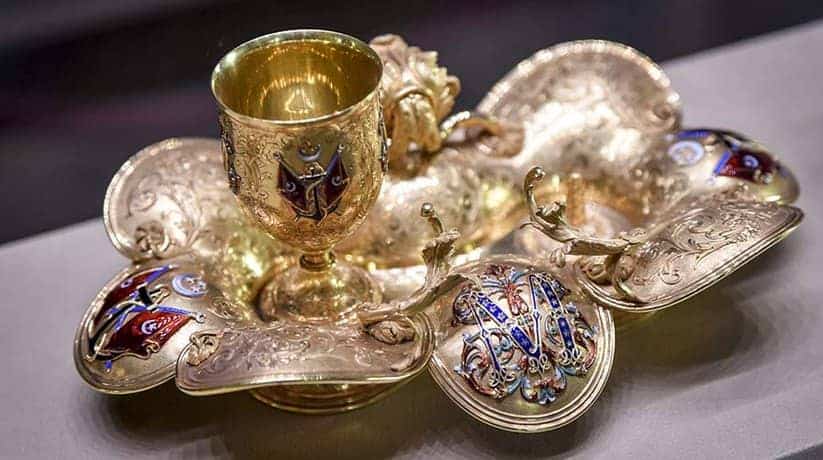
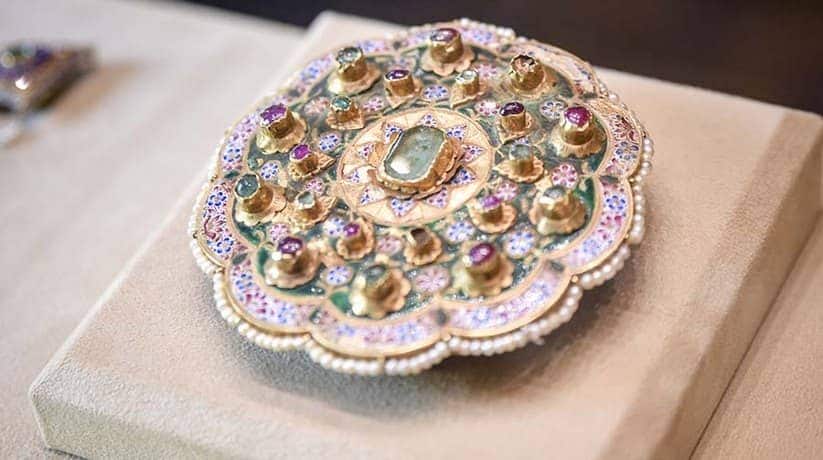
Royal Jewelry Museum Alexandria located in the neighborhood of Zizenia in Alexandria city. In fact, the Royal Jewelry Museum indeed is one of the largest Museums in Egypt. Moreover, it has a surface area of around 4185 meters. In fact, the Museum hosts the most valuable displays. They include the jewelry and the ornaments which queens and princesses of the last royal family of Egypt wore. Moreover, the building of the museum itself is truly marvelous. In fact, it housed in the palace of Princess Fatema El Zahraa. It indeed is a rare piece of architectural art that constructed in the 19th century.

Some of the displays of the museum date back to the period of Mohamed Ali Pasha. It was when became the Khedive of Egypt in 1805. He took control of the country making it independent from the Ottoman rule. Moreover, he established a dynasty that ruled Egypt for 147 years. The grandson of Mohamed Ali, Khedive Ismail wanted to make Egypt a part of the modernity of Europe. This is why Khedive Ismail added electric lamps to the street of Egypt. Khedive Ismail hired the most skillful Egyptian and foreign artists to create the golden jewelry of the royal family. He also did for the antiques that used to decorate their houses and palaces. In fact, Khedive Ismail ruled Egypt from 1863 till 1879,

Further details about Royal Jewelry Museum Alexandria:

This is the main reason why most of the displays of the museum date back to his ruling period. After the Egyptian revolution of the year 1952, all the royal jewelry expropriated. They remained in the governmental stores for a long period of time. The committee which specified to establish the Royal Jewelry Museum Alexandria attracted to the Palace of Princess Fatema El Zahraa. Fatema was the daughter of Prince Haidar Fadel, the son of Prince Mustafa Fadel, the brother of Khedive Ismail. The palace of Princess Fatema El Zahraa constructed in the period between 1919 and 1923. This palace is considered to be a piece of European architectural art in itself. It built by French, Italian, and Belgium architects and artists.

The palace erected following the school of Michael Angelo using the calm style of coloring and decorations. The Palace of Fatema Al Zahraa constructed over a surface area of 4185 square meters. The palace consists of two large suits. The Eastern Suite has two halls and a gallery. The gallery with a bronze statue of a boy in the center of it. The walls of this suit have rich colored windows decorations all over it. The Western Suit consists of two floors. Each has four large halls with three bathrooms. Bathrooms coated with decorative colored ceramics. An elegant foyer connects between the two suits of the palace. It featured with ten glass frames in the shape of ten doors with drawings. They represent European historical scenes and legendary stories like Romeo and Juliet.

More details about Royal Jewelry Museum in Alexandria:

The windows of Fatema Al Zahraa palace decorated with colored glass. The grounds of the palace coated with the finest types of wood. The wood imported from Turkey and other European countries. The Palace of Fatema Al Zahraa was the perfect choice to host the valuable displays of Royal Museum. After the revolution of 1952, the Egyptian government has captured the palace from Princess Fatema Al Zahraa. It transformed to become the lounge of the president of Egypt before it opened as the Royal Jewelry Museum Alexandria.

The Royal Jewelry Museum has more than 11 thousand displays include the collection of Prince Mohamed Ali Tawfik. This collection consists of 12 cups made out of bronze and gold. It also includes 2753 lobes of precious stones and diamonds. It also includes a money bag made out of gold and other valuable precious stones. The priceless collection of Prince Mohamed Ali Tawfik has the marvelous Sultan pocket watch. It made out of pure gold and precious stones. The collection also include and many of glass cups decorated with 977 lobes of diamonds.

Further details about Royal Jewelry Museum in Alexandria:

Royal Jewelry Museum also displays the collection that dates back to the ruling period of Saeed Pasha. It contains some golden clocks and watches. Moreover, it also include Turkish, Egyptian and European insignia decorated with gold and diamonds. It also includes 4000 Roman, Persian, Byzantine, and Coptic coins. The most impressive exhibits of the museum is the snuffing box of Mohammad Ali. He is the founder of the Royal Family in Egypt. The collection includes ornamented with diamonds. It also includes his set of chess and his monumental sword.

The sword that created in the shape of a snake. It decorated with 600 diamonds gathered from the collections of many princesses of the Royal Family. The walls of the Royal Jewelry Museum Alexandria have some magnificent painted portraits. They are of Khedive Ismail, his wives, sons, and daughters. All put in pure golden frames. The collection of King Farouk featured with the extensive use of diamonds. The first piece of this collection was the sistrum. In fact, he used it when he was a baby to call his servants. This sistrum made in the shape of a royal crown. It made out of palatine, diamonds, emeralds, rubies and small pieces of gold.

More details about Museum of Royal Jewelry Alexandria:

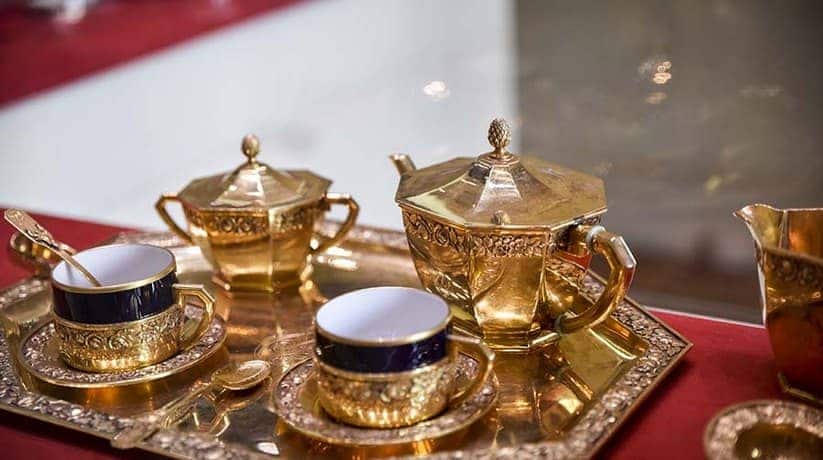
The Museum has also a collection of King Farouk. It contains his personal stick that made of ebony and gold. It also contains a magnificent set of cups decorated with gold and sapphire. Each cup having 229 pieces of sapphire and 29 pieces of diamonds. The whole section in the Royal Jewelry Museum Alexandria specified to display the gifts to King Farouk. This collection also includes the tea set given to the king and his wife. It given to them on their wedding day by the Pashas of Egypt. This is besides to a plate made out of agate that given to King Farouk by the Czar of Russia.

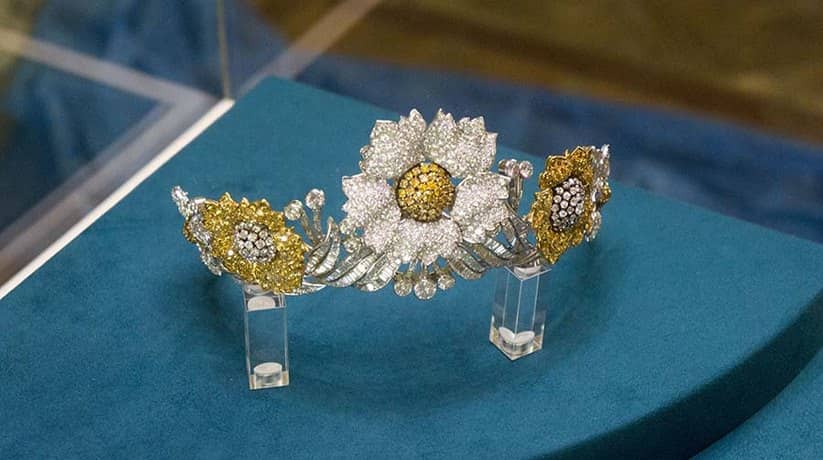
One of the most startling displays in the Royal Jewelry Museum is the crown of Queen Shwikar. It is one of the largest and most beautiful crowns of the members of the royal family in Egypt. There is also the hall of the belongings of Queen Farida, the wife of King Farouk. It exhibits her crown that made out of gold and palatine and ornamented by 1506 pieces of diamonds. This is besides a large collection of diamonds, rubies, emeralds and corals.

Further details Royal Jewelry Museum in Alexandria:

Royal Jewelry Museum has also the collection of princess Fawzeya. She was the sister of King Farouk and the wife of the Shah of Iran, Mohammadd Reda Balhawy. The collection includes palatine ring where the name of the princess carved. It has also a belt that ornamented by 240 pieces of diamonds. The museum includes many other displays that include a large royal clock. The royal clock decorated with diamonds and has the shape of an elephant made out of ivory and sapphire. In fact, the museum displays many golden and palatine chest pins. It also displays large number of the personal belongings of the Royal Family members of Egypt.

A section of the Royal Jewelry Museum dedicated to the antiques and gifts. These antiques and gifts given to the Royal Family. It includes the famous plate of Queen Eugenie that given to Khedive Ismail in the opening of the Suez Canal. The estimated price is around 15 million pounds. It ornamented with diamonds, sapphires, and emerald. The museum has undergone a long restoration. The renovation period took long time and reopened in the year 2010.

More details Royal Jewelry Museum in Alexandria:

Many services and facilities added to the museum. They include central air conditioning and a library. The museum also includes a cafe, a seminar hall, and a restoration laboratory. There is security alarm system in the museum to protect it against thrifts and fire. It has also surveillance cameras. The renovation cost of the Museum is more than nine million dollars. In April 2010 Suzanne Mubarak, officially reopened the museum for public visits.

Nearby attractions Information, tours and Online Booking

More of Modern Egypt

More of Egypt attractions
MORE
Roman Amphitheater Alexandria

Roman Amphitheater Alexandria

  • Roman Amphitheater Alexandria
  • Roman Amphitheater Alexandria
  • Roman Amphitheater Alexandria
  • Roman Amphitheater Alexandria
  • Roman Amphitheater Alexandria
  • Roman Amphitheater Alexandria

Roman Amphitheater Alexandria Egypt tours, prices, booking

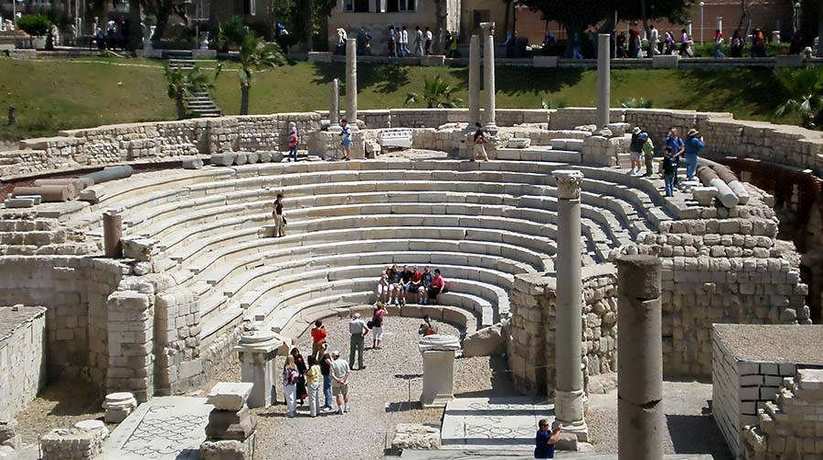
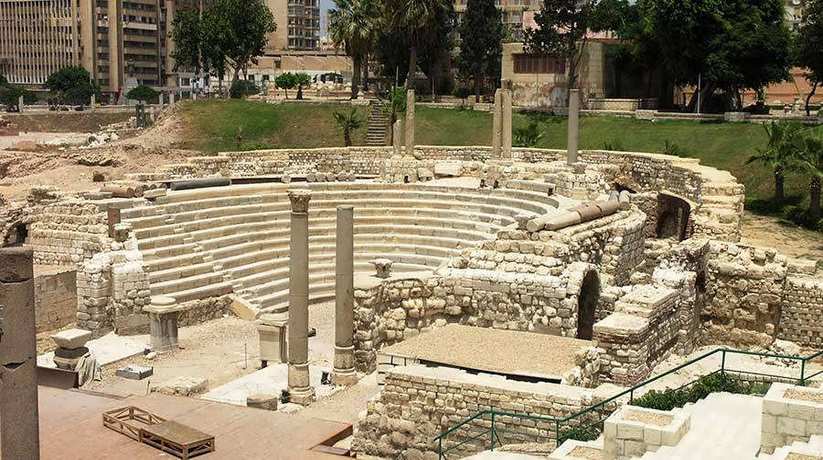
Roman Amphitheater Alexandria is one of the most popular monuments in Alexandria City. Alexandria is the second most important city in Egypt after Cairo. Amphitheaters quite spread during the reign of the Romans. They were in different countries like Greece, Italy, and Turkey. They are present in many regions around Europe and the Middle East. Roman Amphitheater Alexandria is the only one of its type in Egypt. The word “Kom El Dekka” in Arabic, means the hill of rubble or the hill of the benches. It named when a famous historian, El Neweiry, passed by this area in the beginning of the 20th century.

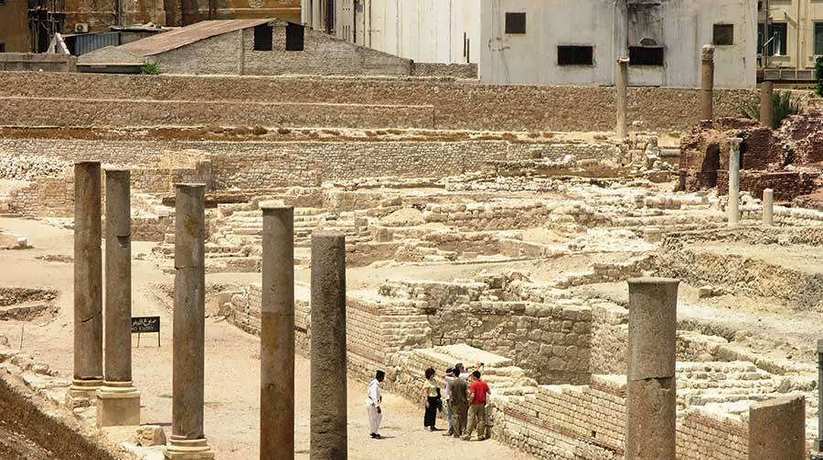
El Neweiry saw the many piles of rubble and sand. The formed due to the digging of the Mahmoudeyya Canal at the end of the 19th century. The canal linked Alexandria to the Nile River. These piles looked exactly like some huge benches. El Neweiry was the one who gave the area its recent famous name. The Roman Amphitheater Alexandria indeed is one of the most important Roman architectural achievements in Egypt. It was by mere coincidence in 1960. The workers went to remove a pile of dust and sand in 1960. It was to clear the land and construct a governmental building. They found some solid iron columns while digging into the ground.

Further details about The Roman Amphitheater Alexandria:

The excavation work began in the location of Kom El Dekka. It carried out by the Graeco Roman Museum. Polish Excavation Mission in Egypt sponsored by the University of Warsaw. Excavation works revealed one of the most important discoveries in Egypt. The amphitheater stayed in service and used to host different artistic events. It is like musical concerts and different sorts of events up till the seventh century. This fact proven due to the architectural elements present in the theater. It showed that it used during three different periods. They Roman, Byzantine and the Early Islamic era. The Roman Amphitheater Alexandria used in several purposes. It was during its long history and passing by different periods of time. It used as an odium where musical shows performed during the Roman period.

The theater, at the time, had all the elements to host perfect performance. It was like the dome that once stood over the stage and the section of the orchestra. In the Byzantine era, it used as a conference hall. It was where important meetings like public assemblies and governmental summits take place. The Roman Amphitheater Alexandria neglected during the early Islamic period and onward. In fact, it was until discovered during the middle of the 20th century. It became one of the most marvelous historical sites of the city of Alexandria. The Roman Amphitheater which we see today constructed in the 4th century AC. It was a common feature of the Graeco Roman period. Amphitheaters were special roofed theaters. They built to host music ceremonies and poet competitions during the reign of the Romans in Egypt.

More details about The Roman Amphitheater Alexandria:

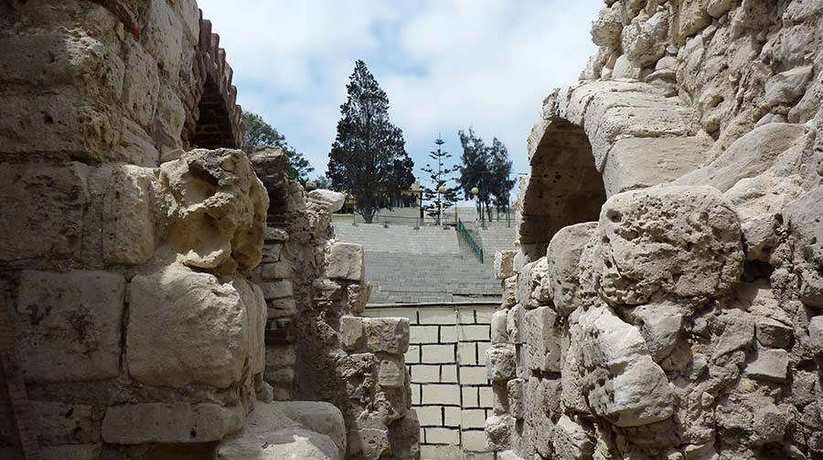
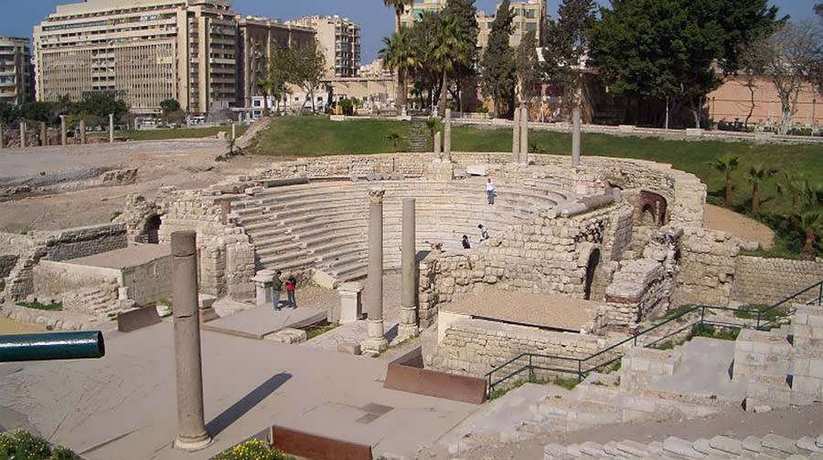
The amphitheater featured with its marble audiences section. It is symmetrical with extended wing. In fact, it hosted up 600 spectators. The audience section of the Roman Amphitheater has a diameter of about 33 meters. It consists of 13 rows. They made of European white marble. The uppermost part was a portico which made out of Granite columns. Granite columns brought from Aswan and some of them are still standing until today. The thirteen rows of the Roman Amphitheater Alexandria numbered. They numbered with Roman digits and letters. It was to regulate the seating of the audience in different occasions.

There were also five compartments. They constructed at the top of the audience section. They used to host important figures and wealthy tradesmen during performances. These compartments used to have ceilings with domes. Domes based upon large columns made of granite to protect the audience from the sun and the rain. The domes used to magnify the sound of the music and the chants during different performances. All these structures destroyed during an earthquake. It hit Alexandria in the 6th century AD. It resulted in the damage of many important structures at the time. They are like the famous Pharaohs Light House. Pharaohs Light House once stood in the position of the Qaitbey Fort nowadays.

Further details about The Roman Amphitheater Alexandria:

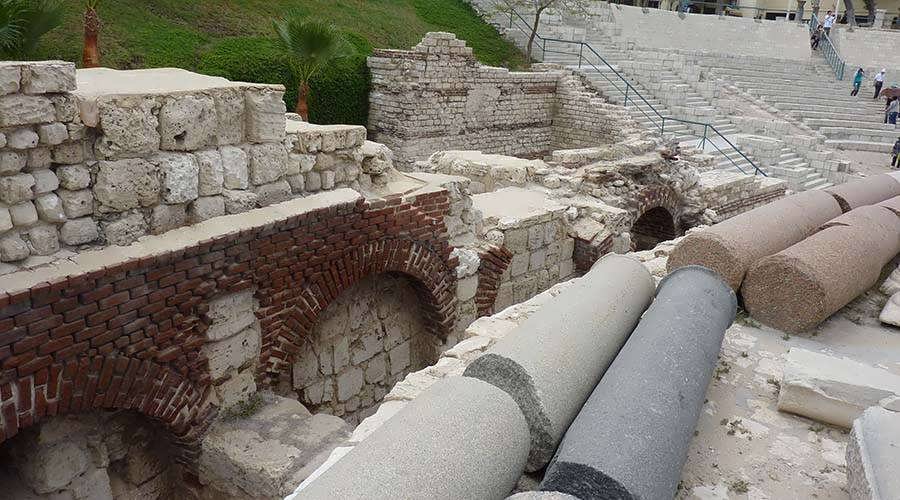
The steps and the rows of the Roman Amphitheater based upon a thick white limestone wall. Another wall surrounds it as well. These two walls connected together through many arches. They are where the outer wall function to support the inner wall. It was a common feature of the Roman architecture from the 2nd to the 4th century. In the middle of the structure, there is the section of the orchestra. It is where the musical performances used to take place. This section supported with two large marble columns. It has some of the finest Roman mosaics on its floor.

Contemporary researches that made some comparisons between the Roman Amphitheater Alexandria and others. The others are similar structures which discovered in Italy, Greece and Garash Theater in Tunisia. They have concluded many interesting facts. One fact is that the amphitheater not constructed to be a theater. It was not a theater for hosting performances and artistic events. In fact, it designed for meetings of important figures and officials. It was maybe for private performances which has a limited number of audience.

Nearby attractions Information, tours and Online Booking

More of Ancient Egypt

More of Egypt attractions
MORE
Planetarium Science Center

Planetarium Science Center

  • Planetarium Science Center
  • Planetarium Science Center
  • Planetarium Science Center
  • Planetarium Science Center
  • Planetarium Science Center
  • Planetarium Science Center

Planetarium Science Center Alexandria Egypt tours, prices, booking

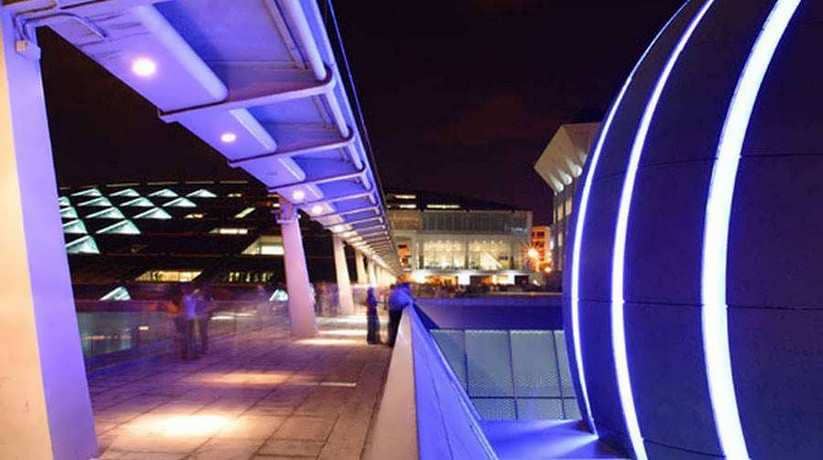
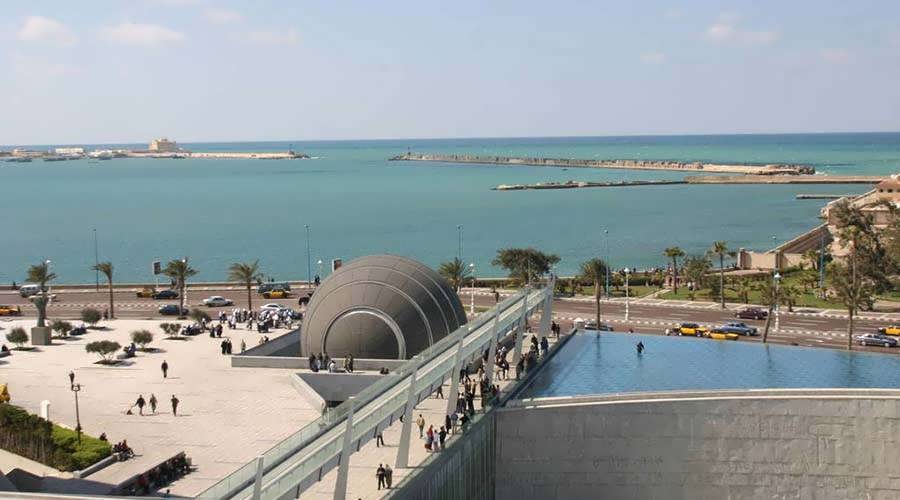
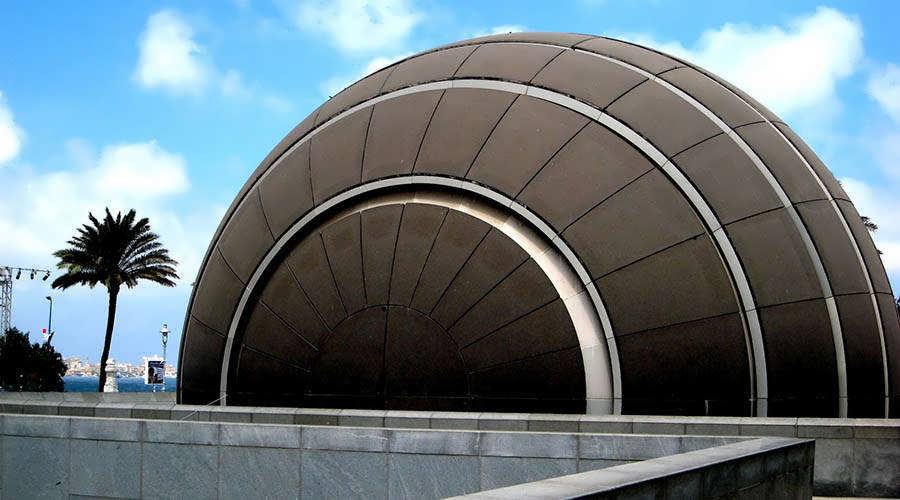
Planetarium Science Center Alexandria Egypt (El Kobba El Samaweya) is a recent 21-st century project. It located within the Bibliotheca Alexandrina (Alexandria Library). In fact, the center dedicated to the development of culture, curiosity and passion for science. The center enter divided into 3 sections. In fact, they are the Planetarium, the History of Science Museum, and the “ALEXploratorium”. Planetarium Science Center Alexandria is a dome-like 3D projection room. Moreover, it is where one can feel as if flying through space. Visitors offered a daily fascinating and detailed live-like presentation. The presentation is of the universe’s evolution in time. It all gets even better when the show’s hosted by one of the center’s resident astronomers.

Planetarium Science Center Alexandria (PSC) is indeed an ideal place to enjoy a day of fun learning. It is an independent non-profit educational foundation. Moreover, it dedicates to increasing the public’s awareness and interest. It also dedicates understanding of science and technology through entertainment. The center launched the FIRST LEGO League (FLL) in Egypt in 2006. The Science Festivity was in 2008.

Further details about Planetarium Science Center Alexandria Egypt:

In fact, in 2008, the PSC launched the Electronic Resource Center’s website. It produced the new planetarium show Sky of Alexandria. Moreover, it was the first of its kind to produced entirely in Africa and the Middle East. In 2010, in collaboration with the PSC, CULTNAT produced Astronomical Myths. It the first Egyptian full-dome movie for planetarium display. In 2009, the PSC won two silver medals. It was at the International Environmental Project Olympiad (INEPO). It held in Istanbul, Turkey. In the same year, the PSC won many awards at the Intel Science Competition in the Arab World (ISC Arab).

The BA received the Judges Award for Best Robot Design and Best Solution. It was at the FIRST LEGO League (FLL) World Festival held in 2008 and 2009 in the USA. PSC participants won many prizes at the Arab Intel 2010 Competition. The Center fulfills its goals by encouraging curiosity, imagination, and creativity. It is through a large number of diverse activities. They presented by three sections. Each of which approaches science in a different manner. It is unconventional to the Egyptian community:

The Planetarium:

It is a member of the International Planetarium Society (IPS). It is a cutting edge facility featuring state-of-the-art projection technology. The Planetarium aims to help establish a scientific culture in Egypt. It is by offering the public a kaleidoscope of fascinating scientific. It shows that cover a diverse variety of scientific fields and are suitable for a wide range of groups.

Planetarium Science Center in fact, re-opened in August 2009. It is besides to the classic IMAX projection system. It is full-dome digital shows that use the latest Digi-star 3 system. This system details the universe impeccably. It brings it so close to the public they feel as if they are flying through space and time. The Planetarium also offers live shows presented by resident astronomers.

The History of Science Museum:

A permanent exhibition that highlights the historical aspect of science in Egypt. It is during three major periods: ancient Egypt, Hellenistic Alexandria, and the Arab-Muslim World. The Museum pays homage to scientists who have enriched scientific knowledge. The Museum aims to revive the scientific discoveries and achievements of the ancient scholars. It is besides to their translators. It is without whom such writings would not have transcended space and time.

In fact, the History of Science Museum is not a traditional museum. Moreover, it offers a variety of activities. Furthermore, it targets school children in particular and the public in general. It also offers traditional tours.

The ALEXploratorium:

In fact, it is a fascinating and innovative establishment. Moreover, it is a hands-on science facility that is unconventional both in concept and operation. Furthermore, it targets children and youth, who are the future and hope of Egypt. It aims to intrigue them through interactive exhibitions, workshops, and other programs and activities. These activities held under the guidance and supervision of dedicated staff members. It is whose objective is to relay scientific principles in a simple, fun manner.

In fact, ALEXploratorium activities not limited to the young. They attract visitors of all ages and backgrounds to science. It is by making it more accessible, more understandable and far more interesting. They show visitors how they can experience science. It is in almost everything they see, hear, or touch in their everyday lives.

Nearby attractions Information, tours and Online Booking

More of Modern Egypt

More of Egypt attractions

MORE
error: Copyright © www.etltravel.com !